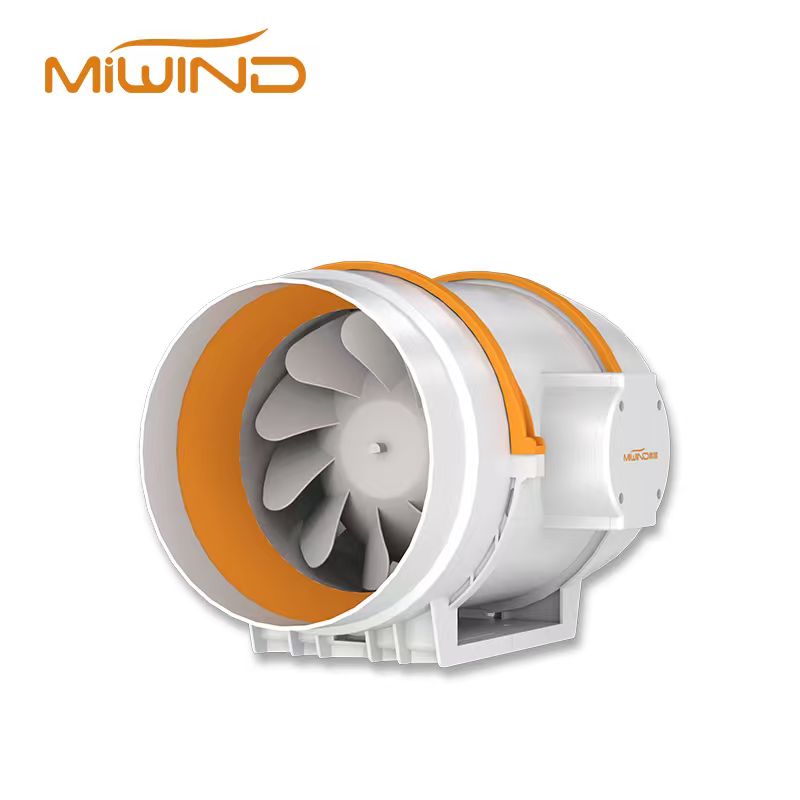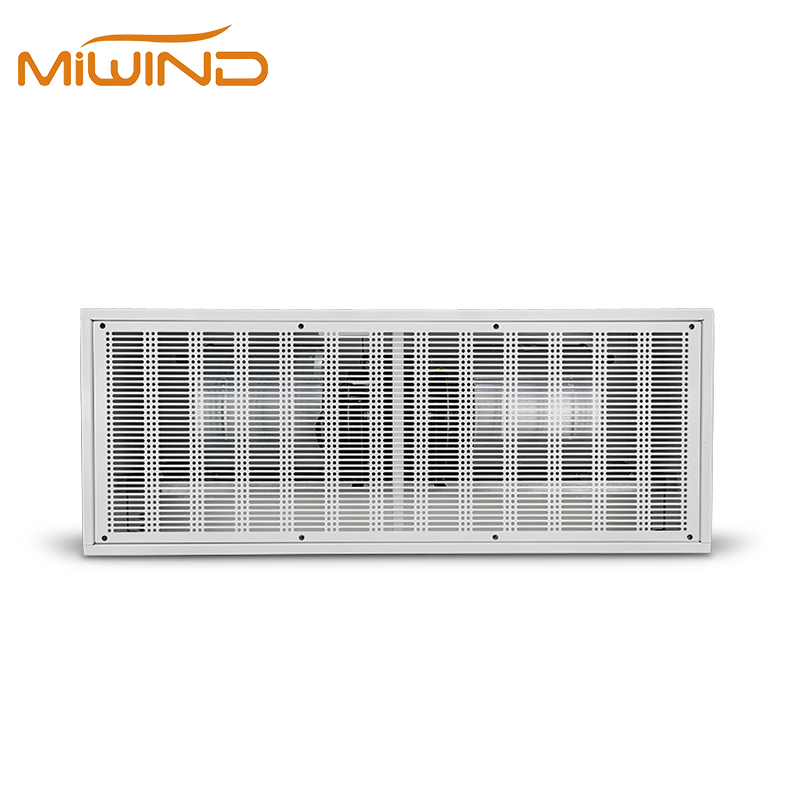
The best coffee shop ventilation fan is the one that separates the needs of the kitchen, bar and dining area while keeping the room comfortable and quiet. A cafe may need exhaust for heat, steam and food odors, fresh-air supply for occupants, and duct assistance where a long route or several bends reduce delivered airflow.
Kitchen Exhaust and Dining-Area Supply
Kitchen exhaust and dining-area supply should be planned together. An exhaust fan removes air from a source, but replacement air is still needed so the shop does not draw unconditioned air through doors and gaps. The dining area usually needs comfortable fresh-air distribution without a direct draft across customers.
Use the MIWIND exhaust fan range when the main requirement is removing heat, steam or odor from a defined kitchen or preparation zone. Use a fresh-air system when outdoor air must be filtered, supplied and distributed through ductwork.
How to Size a Coffee Shop Ventilation Fan
Airflow is commonly expressed in CFM or m3/h. Start with the room volume, occupancy, cooking equipment, odor sources and required air changes. Then add the pressure loss from the hood or grille, filter, duct length, elbows, dampers and discharge point. A fan that meets its rating only in free air may deliver much less once connected to the actual duct system.
| Area | Primary need | Inputs to confirm |
|---|---|---|
| Espresso and service bar | Remove heat and keep odors from accumulating. | Equipment heat, staff position, ceiling height and available duct route. |
| Kitchen or bakery corner | Capture cooking vapor, grease and strong food odors. | Appliance load, source-capture location, exhaust path and make-up air. |
| Dining area | Provide comfortable fresh air without noise or drafts. | Seating count, occupancy schedule, diffuser position and sound level. |
Noise Matters More in a Cafe
Noise is part of the customer experience. Compare the sound rating at the occupied distance and consider whether the fan will operate at full speed during busy periods. Inline duct fans can keep the motor away from the seating area, while vibration isolation and flexible connectors help prevent structure-borne noise.
Do not solve a noise problem by reducing airflow below the required level. Instead, check the duct size, bends, grille selection and control method. A lower-resistance duct path can allow the required airflow at a lower fan speed.
Odor Control and Airflow Direction
Place exhaust pickup points close to the sources of heat and odor, but do not allow the exhaust path to short-circuit directly into a nearby supply outlet. Keep the airflow direction moving from cleaner customer areas toward preparation or exhaust zones where possible. If the cafe shares a building with offices or residences, confirm the discharge location and prevent re-entry through doors or outdoor-air intakes.
Duct Layout and Installation Checklist
- Measure the room volume, seating load and operating schedule.
- List every heat, steam, grease and odor source that needs local exhaust.
- Calculate the connected-system pressure, including filters, grilles, elbows and duct length.
- Separate kitchen exhaust from dining-area fresh-air distribution.
- Confirm sound, vibration, control and cleaning access before installation.
- Send the CFM or m3/h target, duct size and expected quantity through the MIWIND contact form.