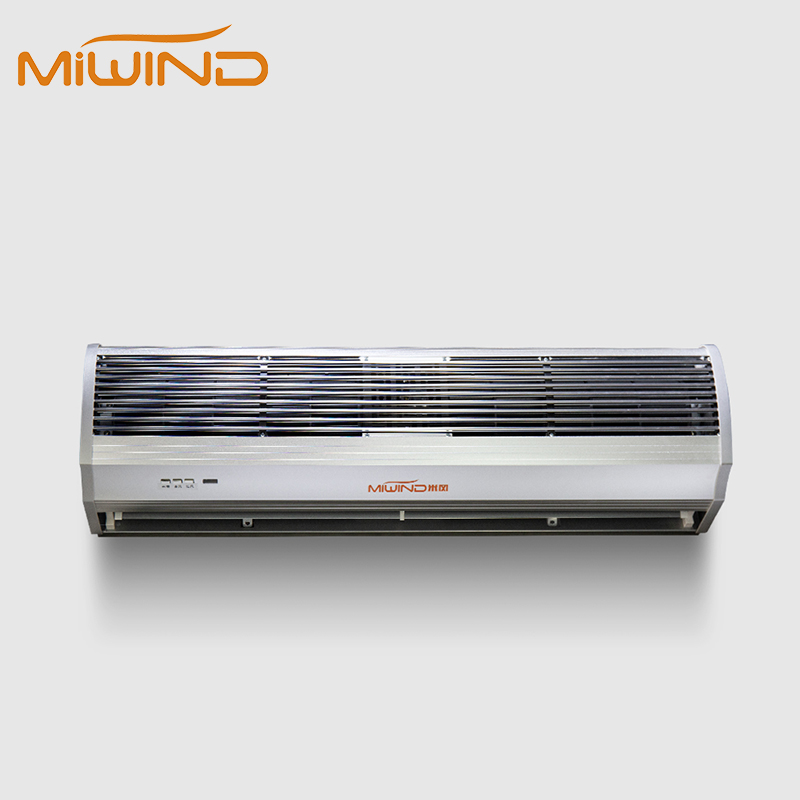
An NSF 37 air curtain for restaurant project starts with verification, not assumptions. Foodservice buyers may need to protect back doors, service windows, customer entries, receiving doors, or cooler entries against flying insects while keeping staff movement practical. NSF/ANSI 37 language is not a generic marketing badge; it has to be matched against the exact company, product, listing record, installation method, and local authority requirement before anyone signs off on a purchase.
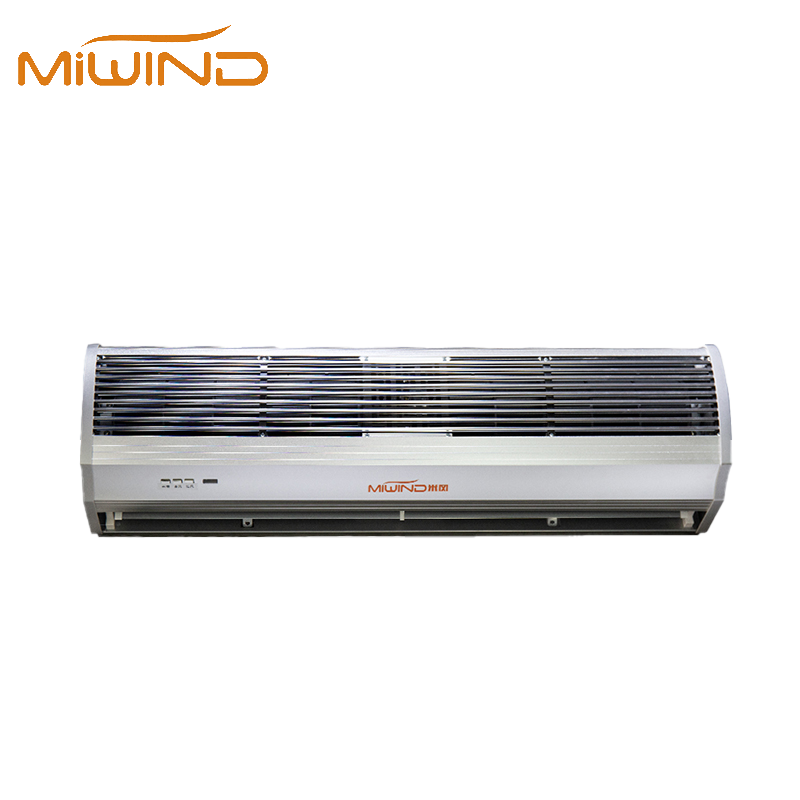
MIWIND supports buyers reviewing a foodservice opening through the commercial air curtain overview, the MIWIND air curtain series, cross-flow air curtain options, air curtain technical resources, and the air curtain catalog. For restaurant compliance projects, keep product selection and approval responsibility separate: MIWIND documents support model review and certificate checks, while local code, the authority having jurisdiction, and exact listing records determine final acceptance.
Why NSF/ANSI 37 Matters for Foodservice Openings
NSF/ANSI 37 covers air curtains for entranceways in food and food-service establishments, and certification status is product-specific rather than category-wide. The NSF certified food equipment listing portal illustrates why buyers need to confirm the company name, model number, standard version, listing status, and any footnotes attached to a listing, rather than accepting a general foodservice claim at face value.
The FDA Food Code 2022 page presents the Food Code as a model for retail and food-service public-health provisions, and the Food Code 2022 PDF addresses outer-opening protection concepts for food establishments. This context explains why inspectors focus on foodservice openings and why supporting documentation belongs in the project file before an order is placed — it does not turn any specific air curtain into an automatic approval.
Back Doors, Service Windows, Customer Entries, and Cooler Entries
Foodservice buyers often use one phrase, "restaurant air curtain," for several different openings:
| Opening | Buyer concern | What changes in the review |
|---|---|---|
| Back door | Deliveries, trash route, flying insects, odors, pressure. | Door open time, seals, sanitation, pressure, and documentation. |
| Service window | Frequent short openings, customer-facing staff, insects, fumes. | Width, height, noise, mounting clearance, controls, and local rules. |
| Customer entry | Comfort, insects, dust, door cycles. | Noise, traffic, appearance, mounting, and entrance layout. |
| Cooler or freezer door | Moisture, fog, frost, staff workflow. | Temperature difference, humidity, door discipline, and safety. |
| Receiving door | Pallets, carts, truck exposure, food storage. | Larger opening, traffic, dock seals, sanitation, and pressure. |
For larger receiving docks, see warehouse dock insect-control guidance. Restaurant back doors and service windows demand a tighter review than most commercial entries because staff work close to the opening, sanitation rules are stricter, and inspectors often ask for exact installation details.
What Buyers Should Verify Before Ordering
Before comparing quotes, break the decision into four distinct checks. Local authority requirements come first — some jurisdictions publish detailed air-curtain criteria for food establishments, and the Maricopa County outer openings guidance is a useful illustration of how one program applies NSF Standard 37 alongside its own installation and airflow criteria; other markets will differ.
Product listing status matters just as much. A supplier's broad foodservice page or catalog statement is not the same as an exact model appearing in the current listing record, so buyers need to request precise model coverage and up-to-date documents rather than inferring coverage from marketing copy.
Installation fit is the third check, and it trips up more projects than the listing itself: a properly listed unit can still fail on-site if the opening width, mounting height, air direction, controls, or service access don't match the conditions the listing was tested under.
Finally, an air curtain never replaces the facility's own sanitation and pest-management program — it works alongside door discipline, seals, and monitoring, not instead of them.
Exact Model Listing, Installation Conditions, Opening Size, Controls, and Local AHJ Expectations
Use this buyer verification table:
| Verification point | What to request |
|---|---|
| Standard requirement | Which standard, code, buyer spec, or inspector comment applies. |
| Listing status | Current company/model listing, if the project requires it. |
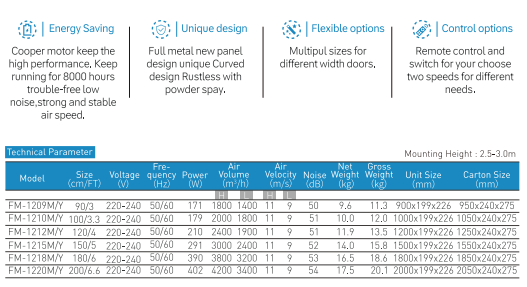
| Product data | Model name, dimensions, mounting height, airflow data, noise data if available. |
| Installation document | How the unit must be mounted, controlled, cleaned, and serviced. |
| Door control | Door switch, window switch, timer, or operating sequence. |
| Opening coverage | Door or window clear width, height, and side/header clearance. |
| Local authority | Health department, plan reviewer, consultant, or chain-standard owner. |
| Facility controls | Seals, sweeps, screens, sanitation, pest monitoring, and pressure balance. |
Foodservice openings don't fit the same review process as a standard customer entrance. An RFQ that states the opening type, food-safety concern, operating pattern, required documents, and local review process gives the supplier what it needs to confirm exactly what a selected model can support.
Documents to Confirm Before Approval
MIWIND supports the product-selection conversation through verify available MIWIND certificates, air curtain technical resources, download MIWIND catalogs and specifications, and the air curtain catalog when preparing a quote or submittal package.
Before presenting an air curtain as suitable for a foodservice approval package, confirm these items with current documents:
- Whether NSF/ANSI 37 listing is required for the exact opening.
- Whether the exact company and model appear in the required listing record.
- Whether any FDA, UL, ETL, EPH, or chain-standard document is required by the buyer or local reviewer.
- The approved mounting height, opening width, air direction, and service conditions for the selected model.
- Door-activated operation, wiring, cleaning, and maintenance requirements.
- Any local health-department comments that must be answered before installation.
Use /certificates for CE/CB/EMC Checks Only
The MIWIND certificates path helps buyers review available quality and export files such as CE, CB, and EMC documents where present. For NSF/ANSI 37 projects specifically, request the exact standard, model listing, and acceptance documents the reviewer actually needs — CE/CB/EMC files answer a different question.
The restaurant kitchen ventilation case works well as an airflow and entrance-comfort reference for similar layouts, though food-safety or insect-control acceptance still needs project-specific documents rather than case-study evidence alone.
Restaurant Back-Door RFQ Checklist
Use the CTA Send door width and height and send:
| RFQ field | What to include |
|---|---|
| Opening type | Back door, service window, customer entry, receiving door, cooler door, or freezer door. |
| Dimensions | Clear width, clear height, mounting height, header space, and side clearance. |
| Door operation | Swing, sliding, window, automatic door, held-open periods, and door-switch option. |
| Foodservice risk | Flying insects, odors, trash route, open food nearby, or inspection comment. |
| Existing controls | Screens, self-closing door, seals, sweeps, strip curtains, pest monitoring. |
| Pressure symptoms | Hard door, inward draft, kitchen exhaust operation, or air curtain stream bending. |
| Power | Voltage, phase, control preference, and electrician constraints. |
| Documents | Required standard, listing, certificate, installation guide, wiring, and local AHJ notes. |
| Evidence | Photos of the opening, exterior area, header, sides, door closed, and door open. |
If the back-door issue only shows up when the kitchen exhaust runs, read kitchen negative pressure and fly ingress. For a service window or drive-through lane, see drive-thru window air curtain selection.
Related Foodservice Airflow Resources
Use food service applications to frame restaurant, kitchen, food-court, supermarket, and convenience-store airflow scenarios. Use Contact Us to request certificate and sizing review. If MIWIND can't supply a required listing or document for a given project, that gets flagged before quotation, not after model selection.
FAQ
Does every restaurant back door need NSF/ANSI 37?
Not necessarily. Requirements depend on local code, health department expectations, chain standards, opening type, and project specifications. Ask the authority or project reviewer which documents are required.
Can buyers assume NSF/ANSI 37 from a foodservice air-curtain description?
No. Treat NSF/ANSI 37 as an exact listing question and request the current company name, model number, standard, listing record, installation conditions, and any footnotes required for approval.
What documents should foodservice buyers request?
Request exact model data, certificate files, current listing records if required, installation instructions, wiring/control information, cleaning or maintenance guidance, and opening-specific sizing support.
Is an air curtain enough for pest control?
No. It can help at the active opening, but door discipline, seals, sweeps, sanitation, lighting, waste control, pest monitoring, pressure balance, and local inspection requirements still matter.
Next Step
Use Contact Us to request certificate and sizing review. Send the opening type, width, height, mounting space, door operation, local documentation requirements, insect symptoms, and photos so MIWIND can confirm what it can support and where external approval is still required.