Outdoor air intake pressure drop rarely comes down to one part. A screen collects debris, a louver blocks wind-driven rain, a filter loads up over a season, a damper adds resistance when it's barely open — and by the time air reaches the duct fan, the actual resistance path looks nothing like a clean-duct calculation. Screens, louvers, filters, dampers, duct routing, sealing, transitions, and access panels each contribute, and maintenance condition changes the number every few months.
Engineers sizing a fresh air system and buyers comparing duct fan options both run into the same gap: intake resistance is easy to underestimate on paper and hard to ignore once the system is running. MIWIND reviews fresh air system intake planning, duct fan series selections, and technical resources alongside intake details submitted through Contact Us — treating the intake as part of the fan decision, not a separate step.
Treat this as a working checklist before requesting fan or fresh-air-system guidance. Pull current MIWIND documents for filter-box dimensions, filter options, fan performance data, and electrical details before submitting a request — vague pressure assumptions cost more time than a short document review. Final outdoor-air rates, intake location, separation distances, and code compliance still need sign-off from the project engineer or local reviewer; MIWIND's role is equipment fit, not code interpretation.
Why Intake Design Affects Fresh Air System Performance
The intake is where the fresh-air path starts, and whatever happens there travels downstream. A restricted screen, a dirty filter, or a duct routed through three tight elbows all show up later as reduced installed airflow — even when the fan itself is correctly sized.
This is the part buyers skip most often. It's tempting to focus on fan curves and CFM numbers, but a fan can only move air through the resistance actually in front of it. If that resistance was never measured, the fan is being selected against a guess.
A sound intake review looks at filters, dampers, airflow measurement, controls, and serviceability together, as one resistance path — not as separate line items. That gives the fan selection something real to work against instead of a clean-duct assumption that rarely survives installation.
Intake Assembly Elements to Review
An intake is an assembly, not a single product, and each piece in that assembly raises its own question: who specified it, who maintains it, and what happens to airflow when it's dirty or half-closed.
Screens and Louvers
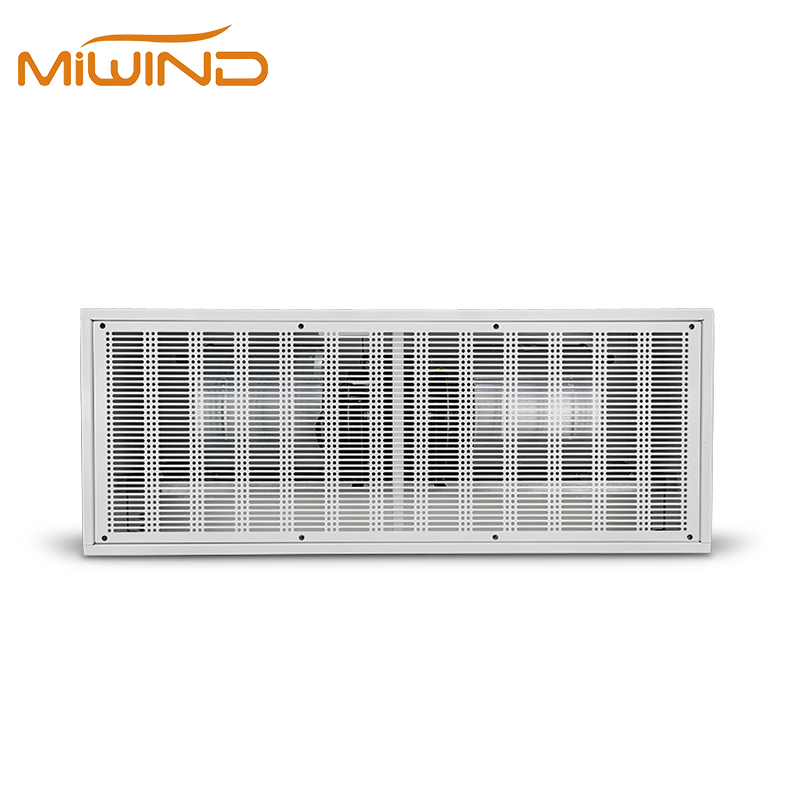
Screens and louvers do real work — keeping out leaves, blocking wind-driven rain, discouraging pests — but that protection has a cost in airflow. A louver sized for a coastal site with heavy rain load behaves differently than one on a sheltered rooftop. Document the actual inlet type, its condition, and how it's accessed for cleaning; don't default to a textbook pressure-drop figure that assumes a brand-new, clean component.
Filters and Maintenance Access
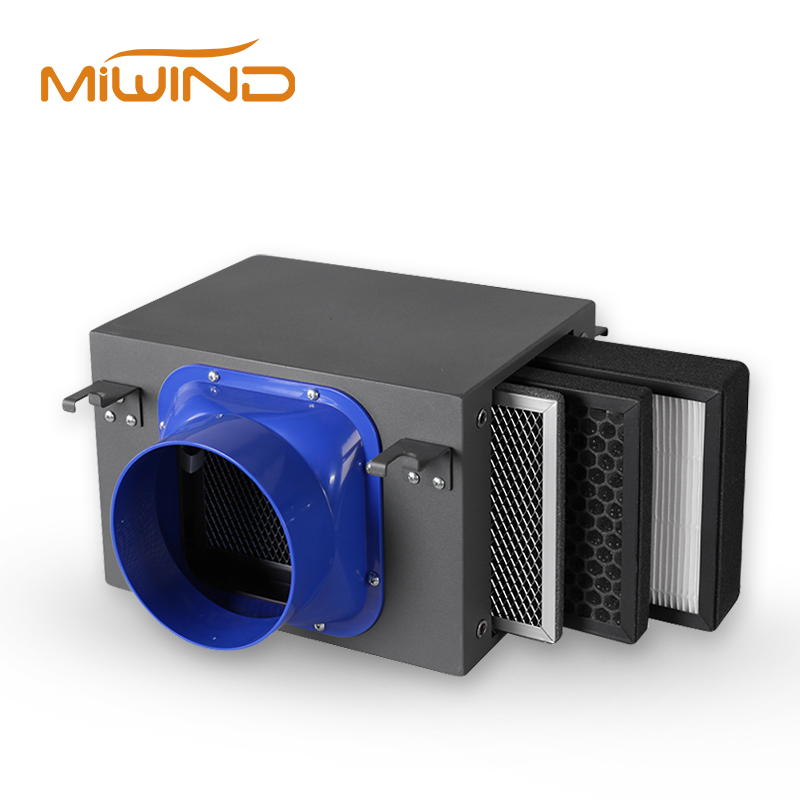
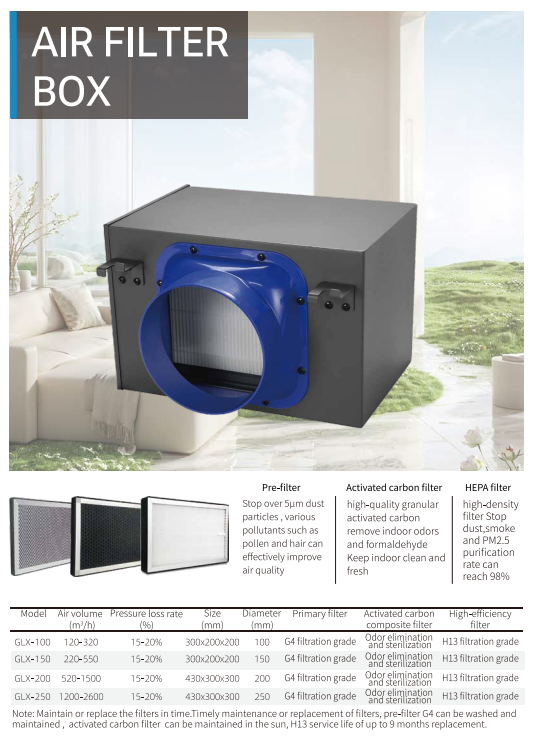
Filter resistance isn't fixed — it climbs as the filter loads, and the rate depends on filter type, face area, and how often someone actually changes it. An air filter box is one piece of this picture. It solves filtration; it doesn't solve intake design on its own, and treating it as the whole solution is where a lot of undersized systems go wrong.
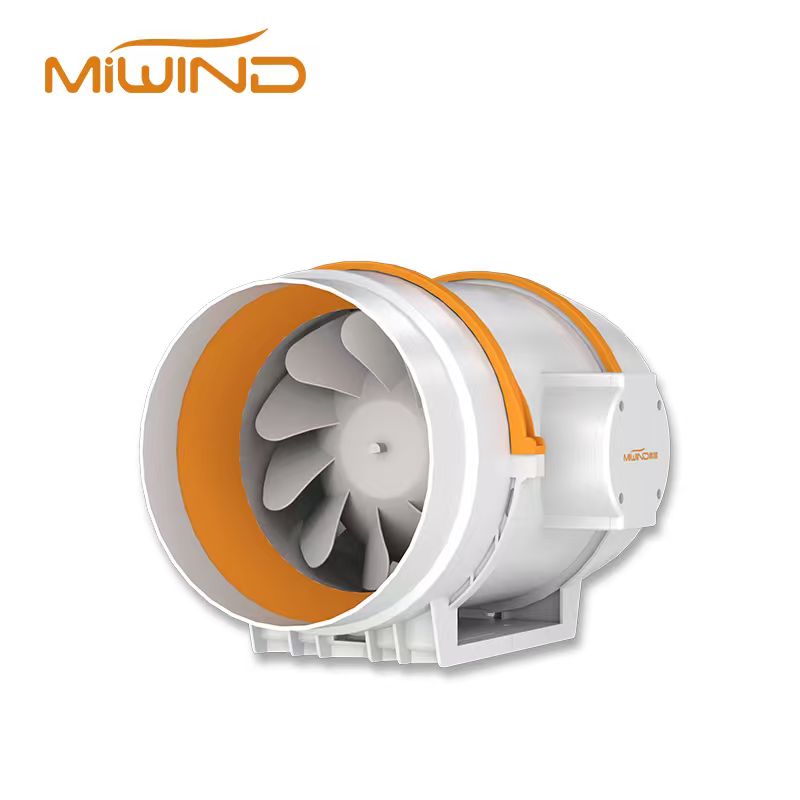
When airflow and ducting questions overlap — which they usually do — review fresh air system intake planning together with the duct fan series in the same conversation. That gives MIWIND the context to talk about the filter component and the fan's duty point at the same time, rather than as two disconnected requests.
Dampers and Control Coordination
A damper might just close the intake when the system is off, or it might modulate constantly under a control sequence — and those two cases call for different hardware. State clearly in the RFQ whether the damper is manual, motorized, interlocked with the fan, or tied to a building-management signal. Pressure loss numbers and control wiring both need checking against the actual component documents, not assumed from a generic spec sheet.
Duct Route, Sealing, and Pressure-Drop Risk
Duct routing quietly decides how much of the fan's capacity actually reaches the space. A long straight run behaves nothing like the same length routed through two tight elbows and an abrupt reducer. Unsealed penetrations leak capacity before air even gets that far, and a dirty screen or loaded filter compounds whatever the duct route already costs — long before the fan is even part of the conversation.
ASHRAE Standards 62.1 and 62.2 remain the reference points most projects design against. If a project follows ASHRAE-based specifications, provide the design airflow, outdoor-air source requirements, and any intake-location constraints up front — matching the equipment review to the actual project basis saves a revision cycle later.
For a broader explanation of how pressure and fan selection connect, see static pressure and duct fan selection. If there's already a candidate fan and an estimated resistance figure in hand, inline fan curve reading covers how to check that number against the curve.
Flow Verification After Installation
An intake that looks right on paper still needs checking once it's in the wall. That means confirming airflow, damper operation, filter access, service clearance, weather protection, noise, and duct sealing under actual field conditions — not just design assumptions. The right verification method depends on the project's requirements and whoever is running commissioning.
The point of verification is simple: confirm the equipment performs in the installed condition, not just in the spec sheet. A clean quotation should name the assumed airflow, external static pressure, filter condition, damper state, duct route, and who's responsible for verifying it — leaving any of those out just moves the disagreement to after installation.
Intake Details to Send MIWIND
Before sending intake details, gather:
- Intake location and outdoor environment.
- Screen, louver, hood, or inlet photos.
- Airflow target if known.
- Duct length, route, size, and fittings.
- Filter type or expected filter requirement.
- Damper or control expectation.
- Installation space and service access.
- Noise requirement.
- Application type and building use.
- Whether airflow verification or local-code review is required.
- Expected quantity and document needs.
With that in hand, MIWIND can discuss fresh-air system, duct fan, filter-box, and airflow-route options against the actual resistance the fan has to overcome — not a theoretical one.
FAQ
Is intake resistance only a filter problem?
No — that's the most common underestimate. Screens, louvers, filters, dampers, duct route, sealing, bends, transitions, and maintenance condition all add up, and filters are often just the largest single piece of a longer list.
Where should buyers get filter or damper pressure-drop values?
From current product documents and the project's actual component schedule — not from generic reference tables. Filter pressure drop, damper pressure drop, MERV rating, and installed airflow only mean something when they're tied to the specific parts installed and the field condition they're running in.
Should an air filter box be treated as the whole intake design?
No. It handles filtration, not the full intake path. The rest of the assembly — inlet location, screen or louver, duct route, damper, sealing, service access, and a verification plan — still needs its own review.
Next Step
To work through intake pressure questions with MIWIND, send the intake location, screen or louver photos, airflow target, duct route, filters, dampers, controls, installation space, service access, noise requirement, application type, and document needs.