For OEM buyers, EU importers, HVAC distributors, and compliance reviewers, RoHS documentation is not a box to tick at the end of sourcing. It is part of the purchase decision. When electrical HVAC products include motors, controls, wiring, switches, sensors, printed circuit boards, displays, or power supplies, buyers need to understand what evidence supports restricted-substance control before the shipment moves.
A thorough RoHS review focuses on documentation quality, model scope, material traceability, and alignment with the CE technical file. A supplier declaration can be useful, but it should not be treated as proof that every material, component, voltage variant, accessory, or private-label configuration is automatically covered. Procurement teams should ask what product family and model ID the evidence applies to, which restricted substances are addressed, and whether supporting material declarations or test reports are available.
MIWIND supports buyers by helping organize model-specific RoHS evidence alongside other compliance files. The best starting point is the certificates area, with additional file requests available through downloads, technical resources, and the Contact Us page.
What RoHS Covers in HVAC Electrical Products
RoHS is a European Union framework restricting certain hazardous substances in electrical and electronic equipment. For HVAC procurement, the practical question is whether the product contains electrical or electronic parts that fall within the scope of the RoHS Directive, and whether the supplied evidence matches the product being purchased.
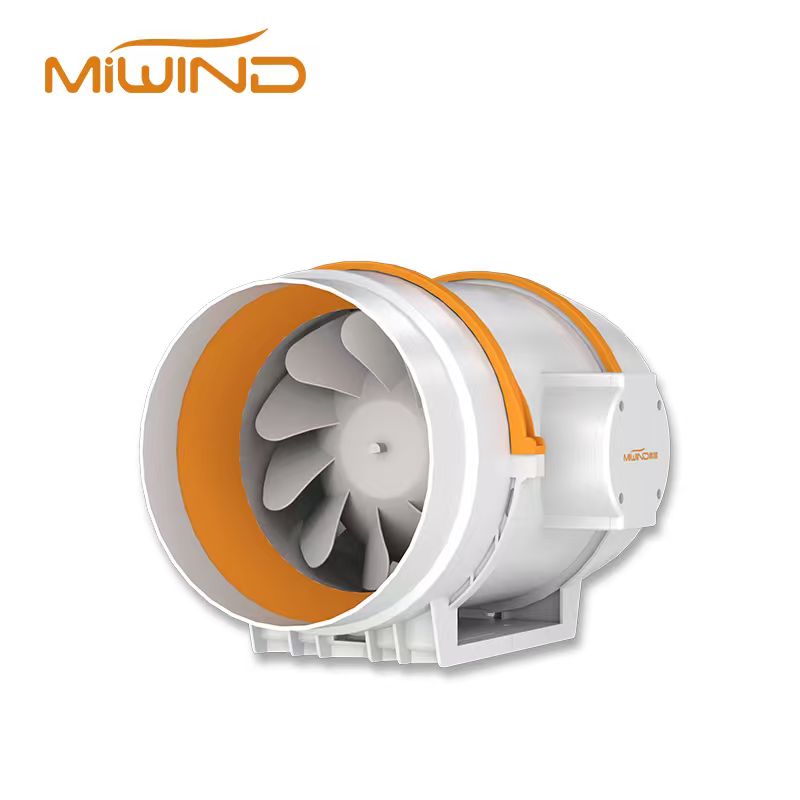
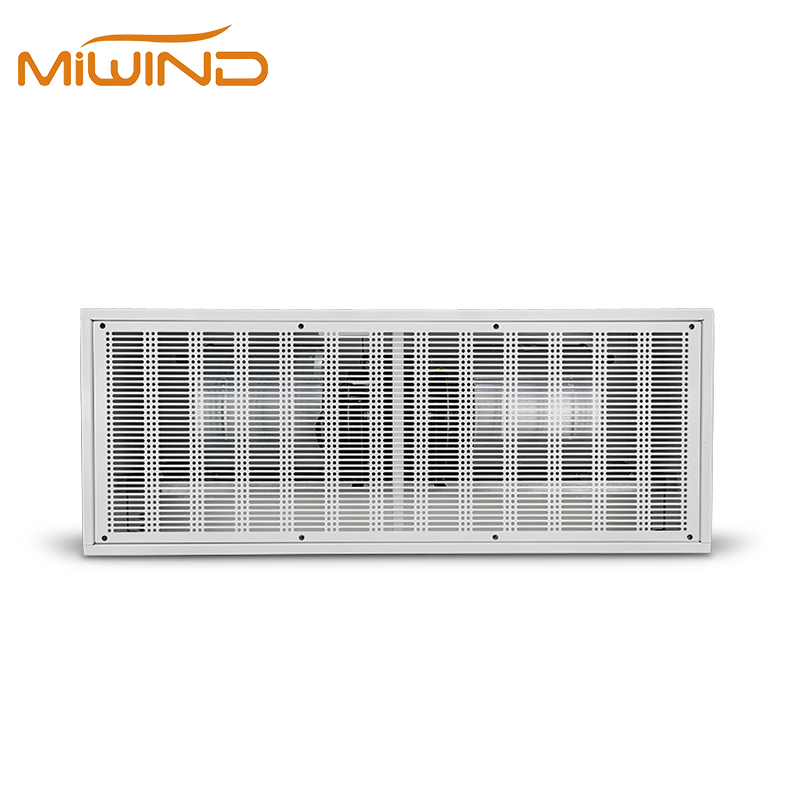
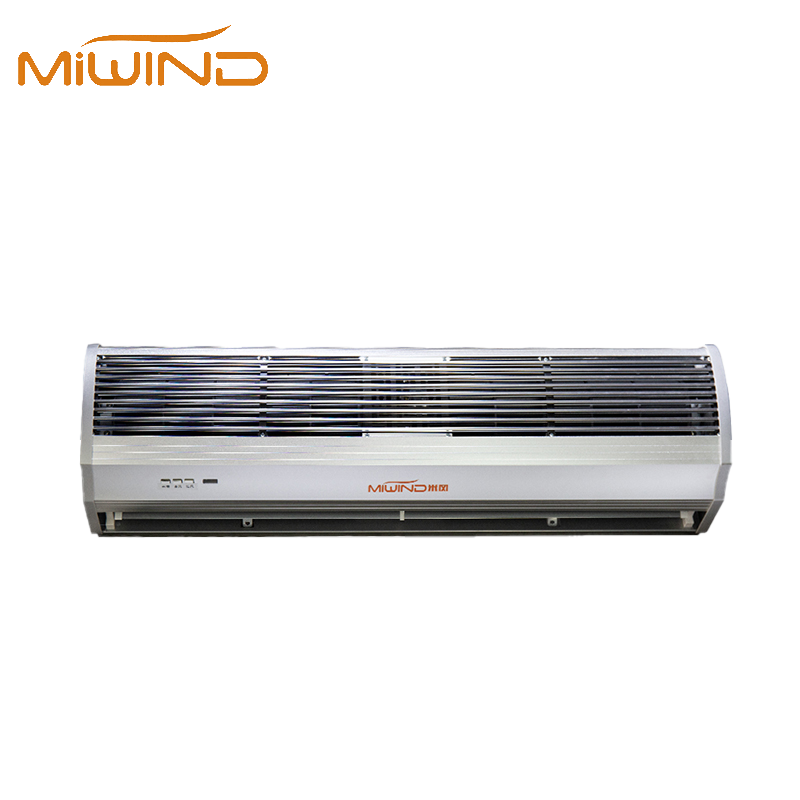
Typical HVAC electrical areas that may require review include fan motors, air curtain control boards, speed controllers, remote control receivers, sensors, wiring harnesses, terminal blocks, switches, power cords, connectors, lamps, displays, and electronic accessories.
Avoid broad assumptions here. Evidence needs to connect to the actual bill of materials, supplier chain, and model configuration — not just the product category. For this reason, compliance review should happen before final purchase order release, not after goods are ready for export.
Directive 2011/65/EU and 2015/863 at Buyer Level
At buyer level, Directive 2011/65/EU is the core EU RoHS Directive restricting hazardous substances in electrical and electronic equipment. Commission Delegated Directive (EU) 2015/863 amended the restricted-substance list by adding four phthalates to the existing controlled substances. Buyers do not need to reproduce legal text in procurement files, but they do need to know which version of RoHS a given supplier declaration references.
A useful declaration identifies the directive basis clearly — for example, Directive 2011/65/EU as amended by Directive (EU) 2015/863, where applicable. It also names the supplier, product family, model or model range, issue date, authorized signer, and basis of conformity. When a declaration covers a broad family, confirm separately whether the exact model ID, voltage, plug, accessory, and private-label version are included.
RoHS is often reviewed alongside CE documentation, since electrical products placed on the EU market may require technical documentation and an EU declaration of conformity under applicable legislation. That does not mean a CE document automatically proves RoHS coverage — it means the two documentation sets should stay consistent and traceable to the same product identity.
Supplier Declaration vs Material Declaration
A supplier declaration is typically the top-level statement that a product or product family meets relevant RoHS requirements. It matters, but it is not the only document a buyer may need. For higher-risk procurement, private-label imports, or EU distributor files, request material declarations, component declarations, or supplier chain evidence as well.
A material declaration goes deeper, detailing substances present in specific parts, materials, or components — helping buyers confirm whether plastics, cables, coatings, solder, circuit boards, adhesives, and electronic parts have been reviewed.
Test reports serve a different purpose again, showing analytical testing of selected materials or components. Check the sample description, test date, tested parts, referenced method, laboratory information, and whether the report actually corresponds to the model under purchase.
The strongest procurement files align all three layers: a finished-product declaration, relevant upstream declarations, selective test evidence where appropriate, and clear traceability to the exact product configuration.
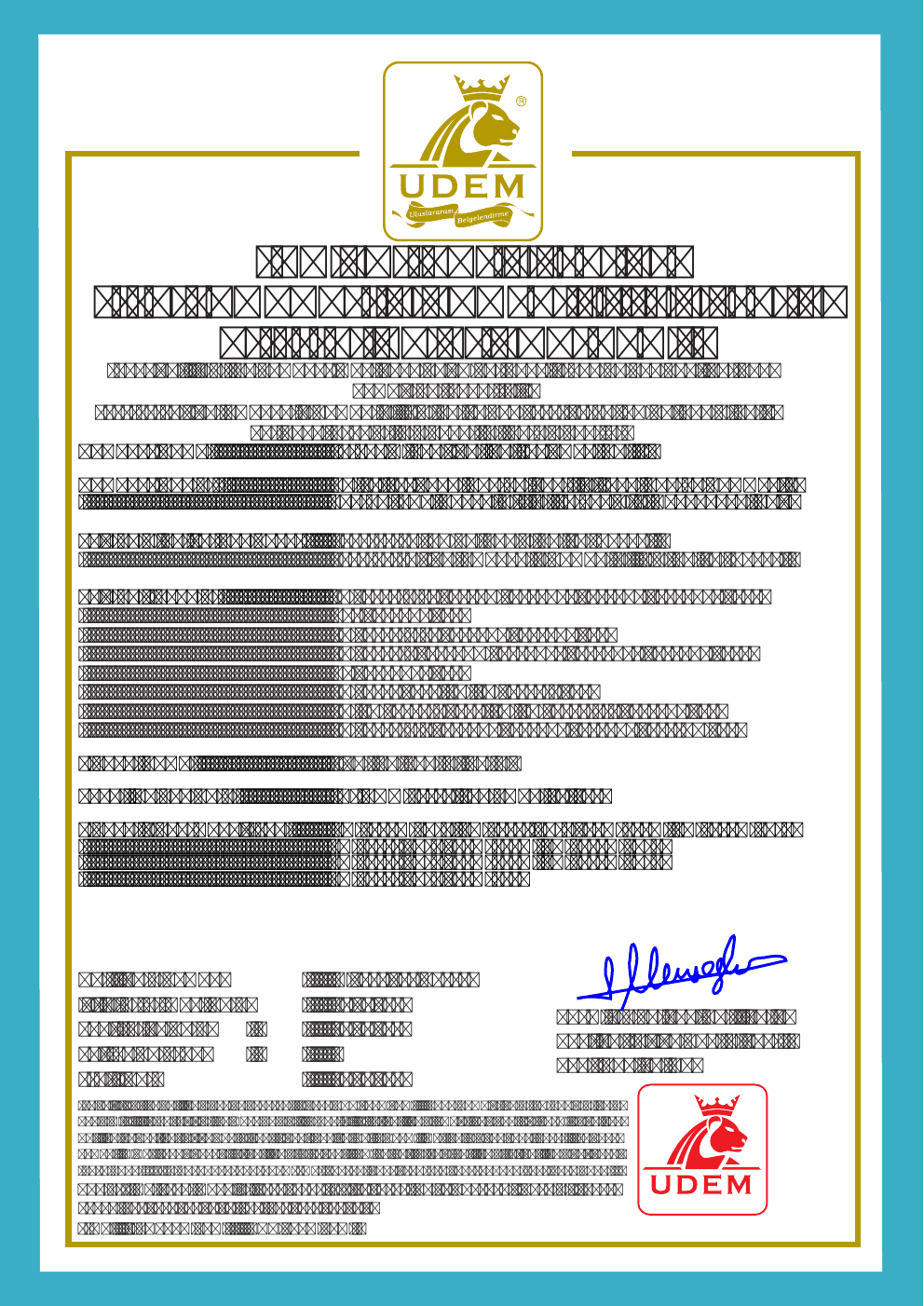
The image above illustrates a compliance-document format only. It is not RoHS proof by itself — the underlying document must specifically cover RoHS and match the product model under review.
Test Reports, Traceability, and CE File Alignment
Traceability is where procurement files most often fall short. A declaration without a model reference is difficult to defend during audit. A test report covering a single cable sample does not automatically support a full air curtain or fan assembly — the scope of what was tested has to match what is being purchased.
For CE technical documentation alignment, request a document pack indexed by product family and model. Depending on the product type, this file may include declarations, test reports, product descriptions, drawings, critical component lists, labels, manuals, and risk-related information. RoHS documents should trace back to the same product identity used throughout the CE file, not sit as a disconnected attachment.
RoHS Document Checklist Before Purchase
Before confirming an HVAC electrical product order, request a focused document set rather than a loose collection of files. A practical checklist includes:
- Product family and exact model ID covered by the declaration.
- Voltage and frequency variants included.
- Plug, cable, controller, accessory, and private-label variants included.
- Directive reference, including 2011/65/EU and relevant amendment language.
- Supplier name, address, issue date, authorized signature, and document control.
- Material or component declarations for key electrical parts where available.
- Test reports, if requested, with sample descriptions and dates.
- Traceability from the finished product to key components.
- Consistency with the CE technical documentation index.
- Process for document renewal or update after component changes.
The goal: evidence that holds up for compliance review, customer submittals, importer records, and internal procurement approval — not paperwork assembled after the fact.
How MIWIND Helps Organize RoHS Evidence
MIWIND treats RoHS support as a documentation and procurement coordination function across its air curtain, duct fan, exhaust fan, fresh air system, and dehumidification product lines. Start from certificates to review available compliance-document resources, then use downloads and technical resources to gather supporting product information. For model-specific requests, MIWIND helps confirm exactly what evidence exists for a given product family, model ID, and destination market.
This coordination does not replace independent legal review or market authority requirements, and no single declaration automatically covers every configuration across MIWIND's range. Model-specific, document-based verification remains the buyer's responsibility.
For purchase planning, submit a request with the product family, model ID, destination market, RoHS declaration need, CE file need, material declaration need, test report need, supplier traceability request, and deadline. Use the download gate on certificates to request the RoHS declaration package.
FAQ
Is one RoHS declaration enough for an HVAC electrical product?
Not always. A declaration is useful, but confirm it covers the exact model, configuration, voltage, accessories, and production scope. Material declarations, component declarations, test reports, or traceability records may also be needed.
Does CE documentation prove RoHS compliance?
No. CE technical documentation may include RoHS-related evidence when RoHS applies, but a CE document alone should not be treated as automatic RoHS proof. The file should clearly identify the applicable directives and supporting evidence.
Should buyers request test reports for every material?
A risk-based approach usually works best: rely on declarations for broad coverage, and request test reports for selected higher-risk materials or components. Any report must match the specific product or part under review.
Can MIWIND confirm RoHS coverage before purchase?
MIWIND can help buyers request and organize available model-specific RoHS evidence. Provide the product family, model ID, destination market, and document needs so the correct file scope can be checked.
Next Step: Download the RoHS Declaration Pack
Use the download gate on certificates or send a request through Contact Us. Include product family, model ID, destination market, document needs, traceability request, and deadline.