Procurement teams sourcing fans for the North American market face a recurring question early in the sourcing process: does this product require UL 507 documentation, UL 705 documentation, or something else entirely? There is no blanket answer. The correct route hinges on product category, how the unit gets installed, what the fan is meant to do once it's in place, and whatever pathway the authority having jurisdiction, the customer, the specifying engineer, or a distributor's compliance program has already set.
UL 507 and UL 705 get mentioned interchangeably in casual conversation, but they cover different scopes. Two products can sit side by side in a catalog looking nearly identical, yet get reviewed under completely different safety frameworks once you factor in where each one actually gets installed — a wall opening, a duct run, a roof curb, a rangehood assembly, an equipment enclosure, or a broader ventilation system. Treating "it's a fan" as sufficient classification is where sourcing teams get into trouble.
MIWIND works with North American buyers to pull together the product-category documentation needed before anyone commits to a route. Start with certificates, review the technical resources library, check relevant product families like the exhaust fan series, and reach out through Contact Us to confirm exactly what's available for a specific model.
Why Fan Category Comes First
Before UL 507 or UL 705 even enters the conversation, the product needs a clear category. Is this an electric fan sold on its own, a duct fan, a wall-mounted ventilator, a roof ventilator, a component destined for integration into someone else's equipment, or a piece of a larger HVAC system? Is it shipped as a finished, install-ready unit, or does an OEM build it into another appliance downstream?
The reason this matters: safety standards are written around defined scopes, not general product shapes. A wall exhaust fan and a straight-through duct fan can raise entirely different review questions than a desk fan or a component fan buried inside equipment. Wiring, mounting hardware, motor protection, guarding, control wiring, and service access all factor into which document path applies.
The strongest opening move for North American procurement is a straightforward category conversation with the supplier — get the product family, model ID, installation type, electrical rating, and whatever listing or test evidence already exists. Ask for the UL file number if one's been issued. And if it hasn't, don't let a general marketing statement stand in for actual listing evidence.
Where UL 507 Electric Fans Fit
UL 507 covers electric fans as its primary domain, and most buyer-side conversations about "fan certification" default to this standard first. But that default assumption breaks down fast — not every fan-shaped product belongs under UL 507 by default, and a supplier calling something "UL Listed" means nothing without a valid listing record or file evidence to back it up.
When you're vetting UL 507 electric fans, push for documentation that ties the standard, the specific model, its ratings, and the supplier's identity together in one package. That means the exact model ID, voltage, frequency, phase, motor type, control method, wiring configuration, and installation instructions. If listing evidence is a requirement on your end, ask directly for the UL file number or comparable verifiable documentation.
OEM and private-label sourcing deserves extra scrutiny here. A supplier might genuinely hold documentation — but for a different model than the one you're buying, with a different voltage, cord set, controller, guard configuration, or enclosure. Rebranding doesn't transfer listing status automatically.
Where UL 705 Power Ventilators Fit
UL 705 covers power ventilators, which includes many roof and wall ventilators along with straight-through duct fans. HVAC distributors, mechanical contractors, and importers care about this distinction specifically when a product is meant to move air through a building's ventilation system, rather than function as a standalone general-purpose fan.
Mounting location alone doesn't determine the route — a fan bolted to a wall or tied into ductwork isn't automatically a UL 705 product. The real determinants are product category, installation instructions, physical construction, airflow path, motor arrangement, electrical connection, and intended application. Sometimes a different certification path fits better. Other times, UL 705 is exactly what the specifier, customer, or authority having jurisdiction expects to see.
Same rule applies here as with UL 507: keep the procurement file model-specific. Request the UL file number where one exists, along with listing category, the model list it covers, ratings, installation conditions, and confirmation that your exact ordered model appears on that list.
Examples: Exhaust, Duct, Roof, and Wall Fans
A handful of real-world procurement scenarios illustrate why nailing down category early on saves real time later.
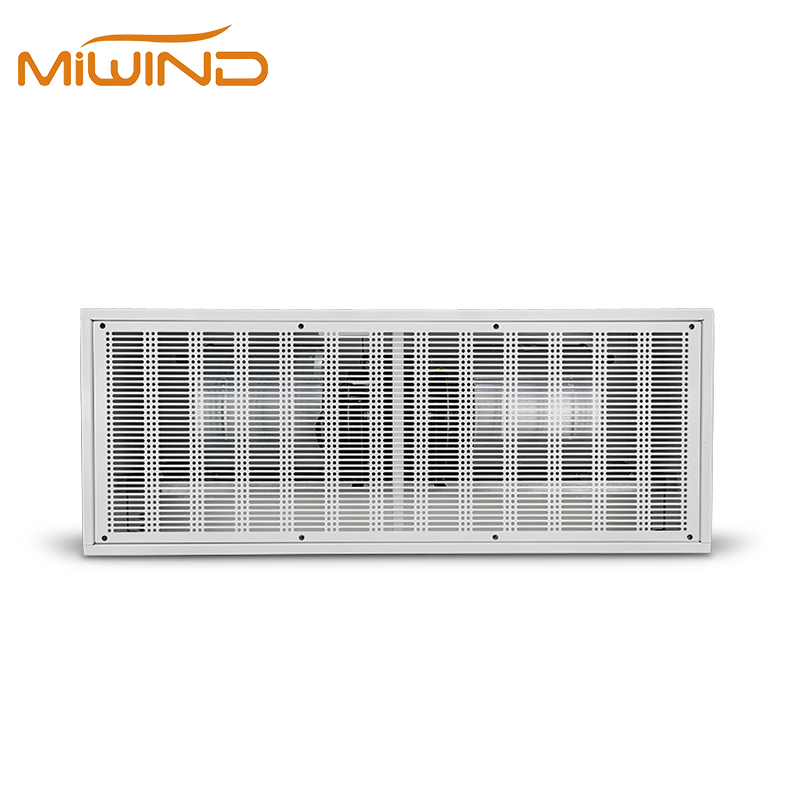
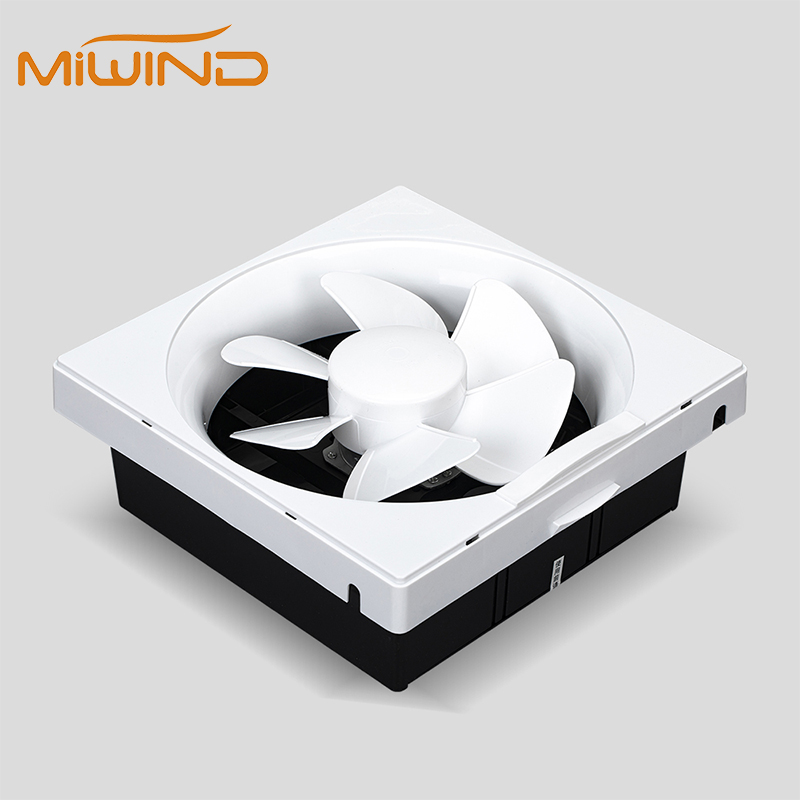
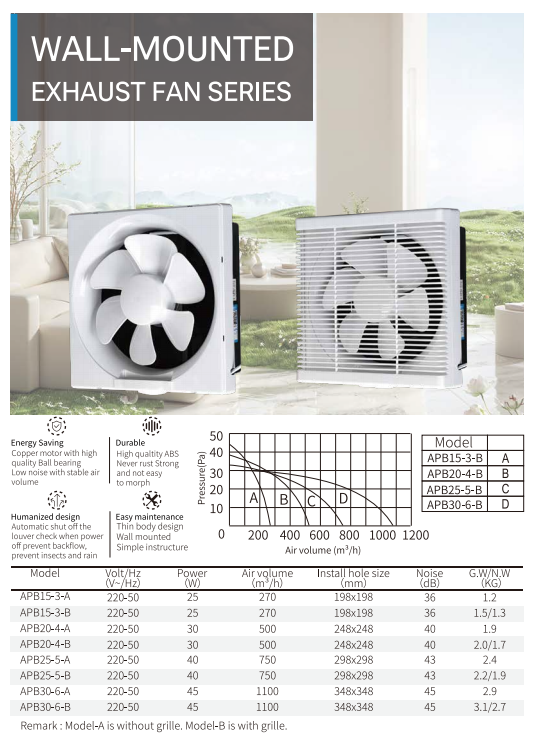
Take a wall-mounted exhaust fan. The buyer needs to pin down whether it's sold as a complete, ready-to-install ventilator, a piece of a larger ventilation system, or a component meant for integration into other equipment. Mounting hardware, wiring, guards, shutters, dampers, and control wiring all factor into what documentation gets requested. The exhaust fan series works as a useful reference point at the product-family level, but model-specific confirmation still needs to happen separately.
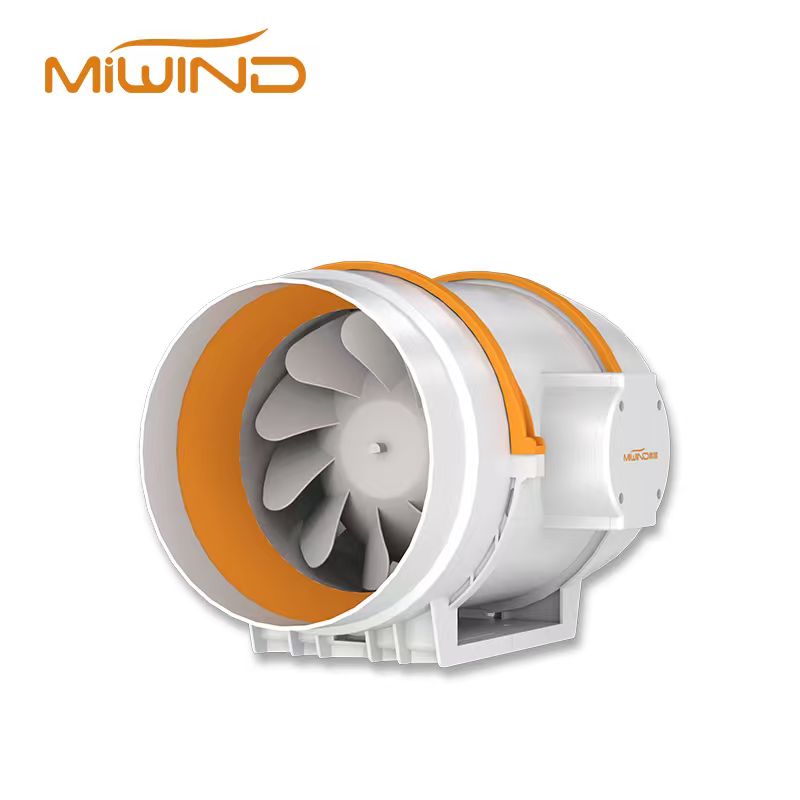
A ducted exhaust fan raises a different set of questions — is this a straight-through duct fan, an inline fan, or another duct-connected configuration? That distinction can shift the certification path away from what a general circulating fan would need, particularly once the unit becomes part of a building's ventilation path.
Roof and wall ventilators tend to need cleaner, more detailed submittals on North American projects, since project engineers often request listing evidence broken out by category rather than accepting a blanket claim. Before quoting anything at scale, get the intended UL route and supporting documentation locked down.
None of this constitutes a legal determination — these are procurement prompts meant to focus the right conversation early. The buyer, importer, engineer, testing lab, or authority having jurisdiction still makes the final call based on the actual product and market context.
Submittal Checklist for North American Buyers
Keep the review grounded with a practical checklist:
- Product category and intended use.
- Exact model ID and product family.
- Installation type: wall, roof, duct, portable, equipment-mounted, or other.
- Destination market: United States, Canada, or project-specific jurisdiction.
- Voltage, frequency, phase, current, and motor details.
- Wiring method, cord set, controls, switches, and speed control.
- Guard, shutter, damper, enclosure, and mounting details.
- Requested UL route, if already specified.
- UL file number, if available.
- Listing evidence need and submittal deadline.
- Installation manual and rating label.
- Any customer, engineer, or distributor documentation format.
This list catches the two mistakes that cost sourcing teams the most time: chasing the wrong standard too late in the process, and accepting paperwork that never actually confirms the model being purchased. Whether the route ends up being UL 507, UL 705, or something else, the review needs to stay evidence-based from the start.
How MIWIND Helps Collect Safety Documents
MIWIND's function in this process is document collection and coordination — helping North American buyers assemble what's needed for category review: model ID, installation type, voltage, wiring and control details, destination market, and the requested UL route.
That coordination role has limits worth stating plainly. MIWIND isn't asserting UL Listing status for every fan in the catalog, and helping organize documents doesn't decide which standard applies to a given product. Model-level verification, file-number confirmation, and destination-market review stay with the buyer throughout.
To get started, visit certificates, browse technical resources, and look through product families such as exhaust fans. For project or distributor submittals, open the inquiry form through Contact Us with product category, model ID, installation type, market, voltage, wiring/control details, requested UL route, UL file number if you have one, listing evidence needs, and your submittal deadline.
FAQ
Is UL 507 the right standard for every electric fan?
Not automatically. UL 507 covers electric fans broadly, but each product still needs confirmation on category, construction, installation context, and model-specific evidence before anyone treats it as settled.
When should buyers consider UL 705?
UL 705 comes into play for power ventilators — certain roof, wall, and straight-through duct fan products in particular. Which route actually applies depends on the specific product and how it's used.
Does a catalog claim replace UL listing evidence?
No — a catalog statement isn't documentation. If listing evidence is required, ask for the UL file number or other verifiable paperwork tied directly to the model and its ratings.
Can MIWIND confirm applicable UL documentation?
MIWIND helps gather available documents and organize the category review process. Buyers should come prepared with product category, model ID, installation type, market, voltage, wiring/control details, the requested UL route, and a submittal deadline.
Next Step: Confirm Applicable UL Documentation
Open the inquiry form through Contact Us. Include product category, model ID, installation type, market, voltage, wiring/control details, requested UL route, UL file number if available, and your submittal deadline.