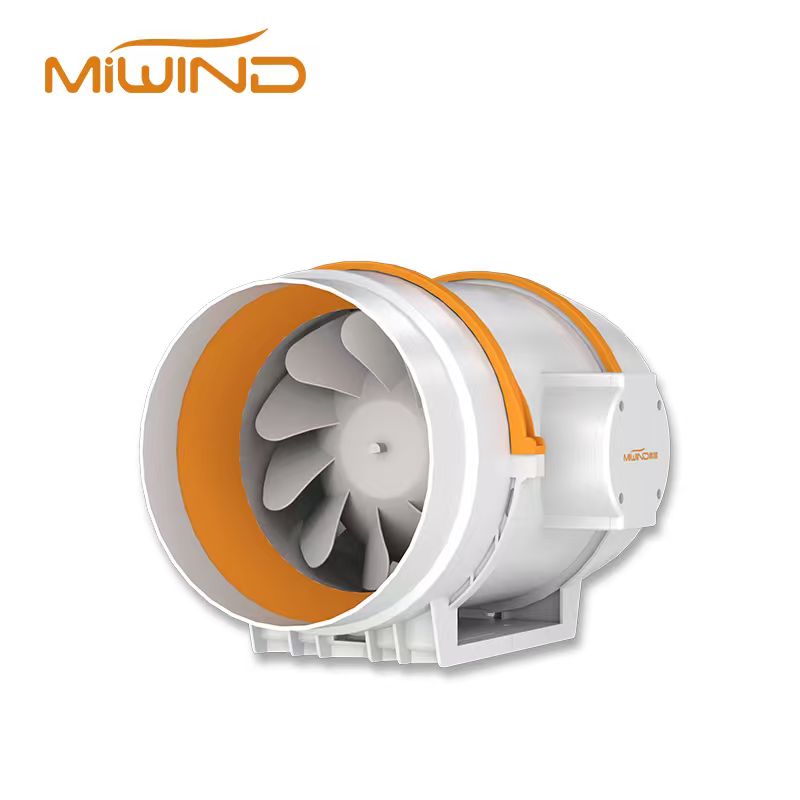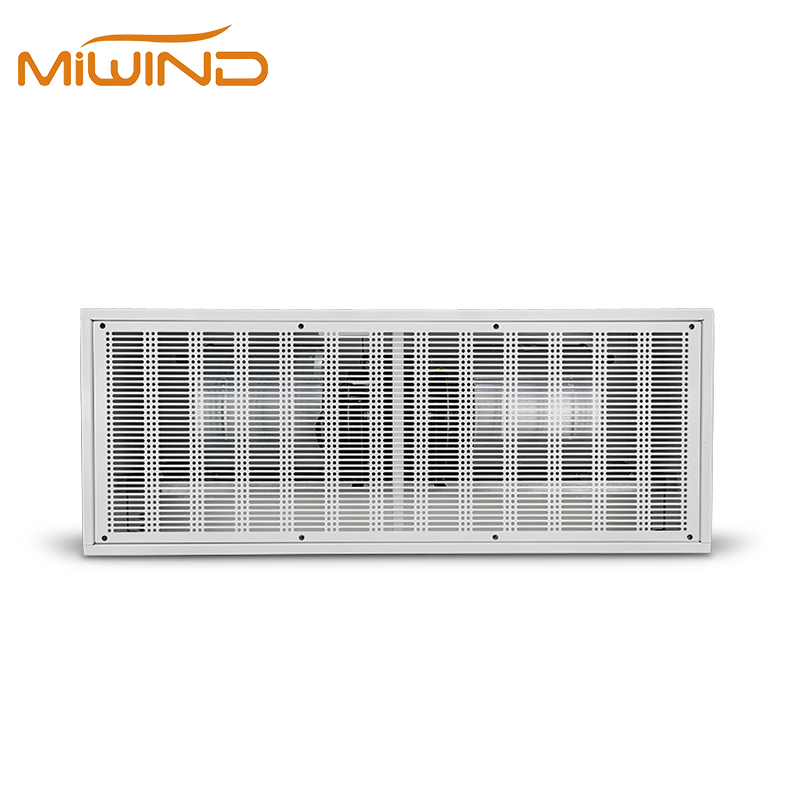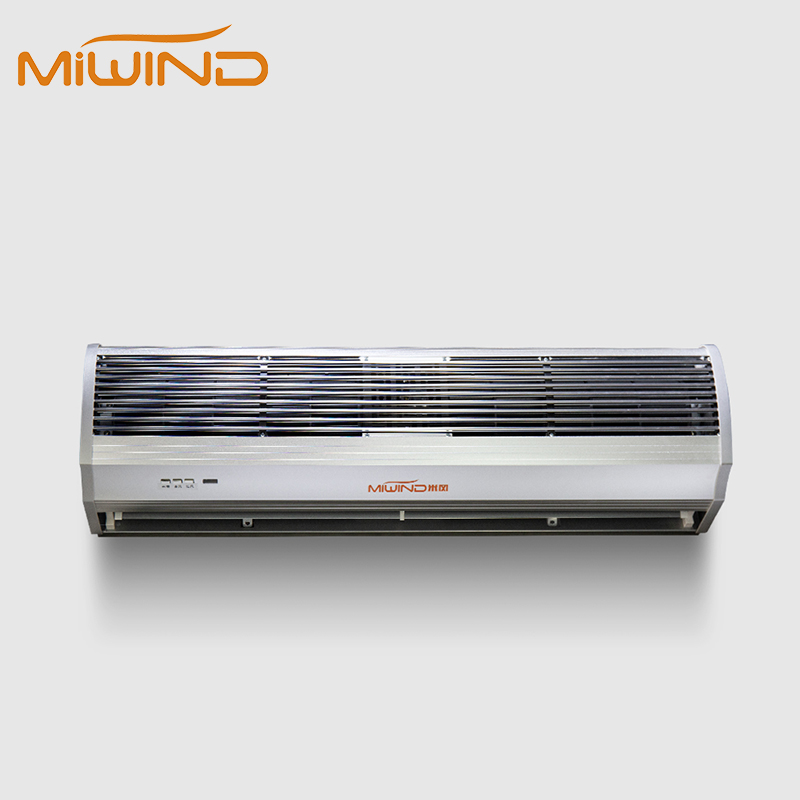
Comparing ventilation fan suppliers on price or product photos alone tends to hide the differences that actually matter. A ventilation fan spec sheet checklist gives buyers a consistent way to line up supplier documents side by side — model identity, dimensions, airflow, pressure, noise, electrical data, controls, motor details, mounting, packaging, certificates, spare parts, and warranty terms — before a quote is accepted.
This guide is written for distributors, procurement teams, OEM/ODM buyers, engineers, and project managers reviewing technical documents ahead of an RFQ or bulk order. For supporting materials, MIWIND provides downloads, technical resources, and product family pages, and the team can be reached directly through Contact Us.
One boundary worth stating up front: not every field below has published MIWIND data for every model. Certified performance figures, AMCA/HVI/ENERGY STAR ratings, exact noise and static pressure values, IP ratings, warranty terms, spare-parts terms, and certificate coverage vary by product and configuration. Where a field is missing, ask for it — don't assume it matches a similar model.
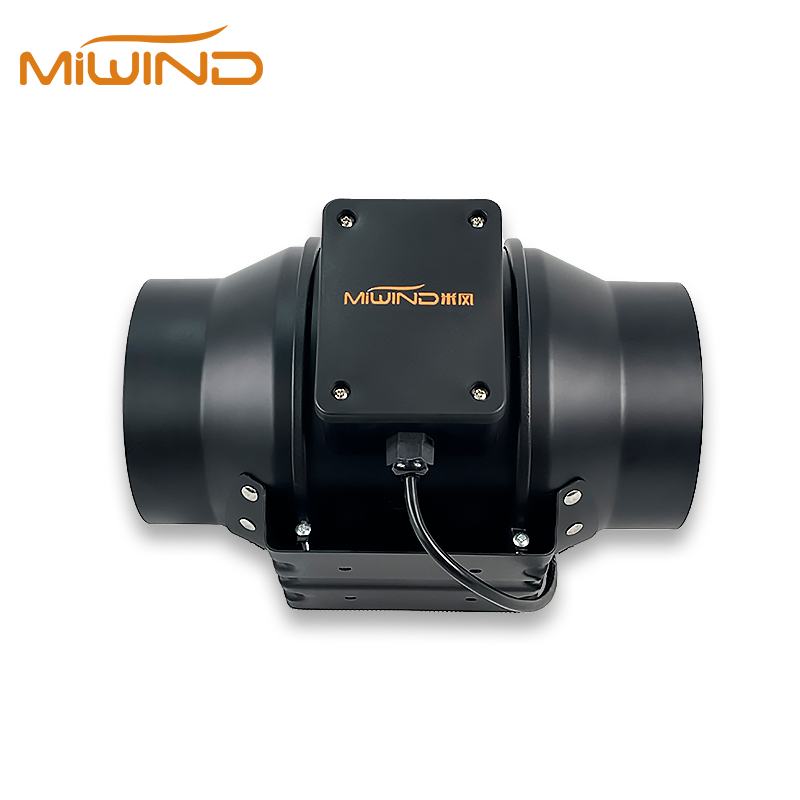
Start With Model Identity
Model code and version
Every spec sheet should open with a clear identifier: exact model number, version, voltage, size, and configuration. When a distributor uses a private-label code, the underlying factory model still needs to stay traceable internally — otherwise re-ordering or warranty claims become guesswork.
Berner's specs and docs page and Powered Aire's support page show how established manufacturers typically organize this kind of documentation — product data, manuals, and technical files grouped for easy reference. These are shown as industry examples of document structure, not as MIWIND performance benchmarks.
Product family and application
Confirm whether the document covers an air curtain, duct fan, exhaust fan, fresh air unit, or accessory. Each category carries its own relevant fields, so a single checklist template shouldn't be applied blindly across product types.
Performance And Electrical Fields
Airflow, pressure, and noise
Check the airflow units used, the test conditions if stated, static pressure at relevant speed settings, and how sound levels are measured. If the sheet only lists free-air airflow, ask whether performance data exists for the actual duct or mounting configuration the fan will run in.
For a deeper walkthrough of RFQ preparation, see how to write an HVAC ventilation RFQ. Buyers handling compliance-heavy orders can also reference certification document questions for OEM ventilation orders once published.
Before comparing prices, get everyone's performance numbers into the same units. One supplier quoting CFM, another in m³/h, and a third with no pressure context at all makes a clean comparison impossible. When the data can't be normalized, the right move is to go back and ask — not to default to the lowest number on the page.
Voltage, current, power, and controls
Voltage, frequency, phase, input power, current draw, speed control method, controller type, remote and sensor options, interlock wiring, and plug or cable details all belong on the sheet. A spec sheet built for one market's voltage rarely transfers cleanly to another — confirm rather than assume.
Physical And Installation Fields
Dimensions and mounting
Look for full product dimensions, inlet and outlet sizing, mounting points, duct connection details, bracket positioning, clearance requirements, and unit weight. Air curtains need door-width compatibility and mounting context spelled out; duct fans need duct diameter and connection type confirmed.
Materials, finish, and environment
Ask about casing material, blade or impeller material, surface finish, color options, IP rating (if stated), rated operating temperature and humidity range, corrosion resistance, and maintenance requirements. If a field simply isn't on the sheet, don't fill it in with a guess pulled from a similar product line.

Packaging, Documents, And After-Sales Fields
Carton and logistics data
A distributor-ready sheet needs unit weight, carton dimensions, gross weight, units per carton, pallet configuration where relevant, barcode or labeling standards, and any spare-parts notes. These numbers directly shape MOQ planning, container loading, and how the product gets listed online.
Packaging accuracy carries into after-sales work too. When carton labels, model codes, accessory contents, manual versions, and spare-parts references don't line up, a distributor's support team ends up guessing which item a customer actually has. Getting this right upfront saves support headaches later.
Certificates, manuals, and traceability
Confirm which manuals, declarations, certificates, labels, and test reports are tied specifically to the model being quoted — a certificate written for a similar unit doesn't automatically cover a different one. The China ventilation supplier audit checklist is a useful reference when document traceability is a priority.
Watch for warning signs: missing model codes, a voltage mismatch between the datasheet and the product label, no document version number, unclear or mixed units, cropped certificate pages, product photos that don't match the SKU, carton data that doesn't align with the quote, or the same performance numbers copied across multiple models without explanation.
When several of these show up together, it helps to split them into two lists — commercial issues and technical issues. A missing carton weight might just slow down logistics planning. Unclear voltage or unverified certificate coverage can stop product selection altogether.
MIWIND Spec Sheet Request Checklist
When requesting or reviewing a spec sheet, ask for:
- Exact model, version, voltage, size, and configuration.
- Product family and intended application.
- Airflow, static pressure, speed settings, sound level, power, current, and frequency.
- Motor type, control options, wiring, plug/cable, remote, sensor, and accessories.
- Dimensions, mounting details, weight, materials, finish, and rated operating environment.
- Carton dimensions, gross weight, packing quantity, labeling, and logistics notes.
- Datasheets, manuals, wiring diagrams, certificates, test reports, warranty terms, and spare-parts availability.
Mark each item as available, missing, not applicable, or pending factory confirmation. That single status column makes it much easier to see whether a gap actually blocks the quote, the sample stage, catalog listing, or import paperwork.
FAQ
What is a ventilation fan spec sheet checklist?
It's a structured way to compare fan documentation across model identity, performance, electrical specs, installation requirements, packaging, certificates, manuals, and after-sales terms — rather than relying on price or photos alone.
Can missing spec sheet fields be filled from a similar model?
Better not to. Request the missing data for the exact model and configuration instead. A similar product can point you toward the right questions, but it shouldn't stand in for verified specs.
Should certificates be checked against the quoted model?
Always confirm model coverage, validity dates, certificate type, and the issuing body — and double-check that the certificate actually matches the product being quoted, not just a related one.
What if the supplier can't provide every field?
Flag the gaps clearly, decide which ones would actually block the RFQ, and get written confirmation before those fields go into a catalog listing or comparison sheet.
Next Step: Download Catalogues And Specs
Start with download catalogues and specs or reach out through Contact MIWIND with your checklist ready. Working through a ventilation fan spec sheet checklist up front makes supplier comparisons faster and cuts down on assumptions later in the process.