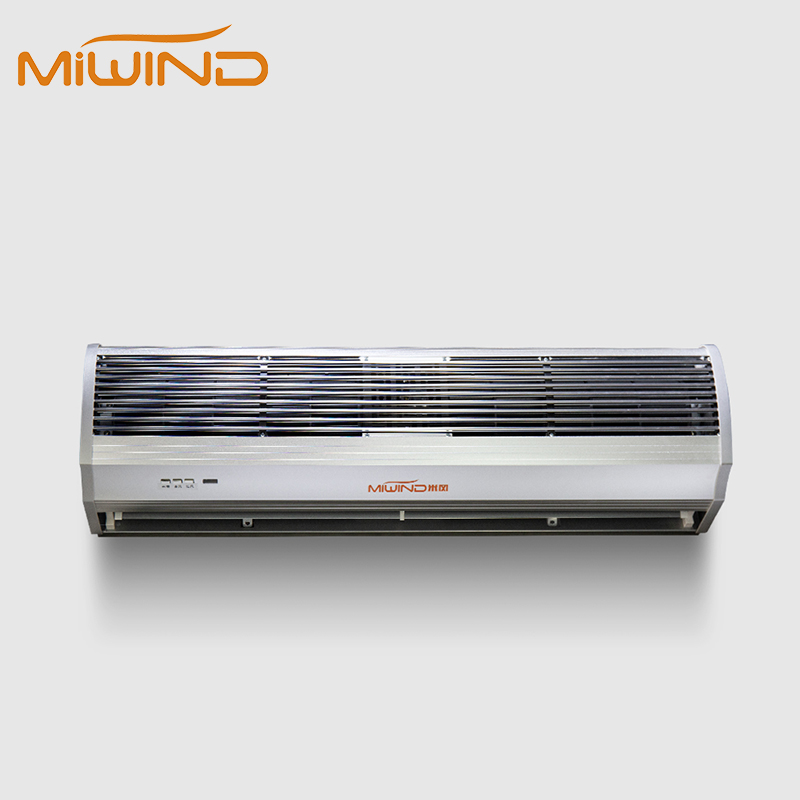
Payback numbers for a warehouse air curtain ROI only mean something once the underlying site conditions are on the table. Door dimensions, actual open time, climate exposure, temperature differential, wind loading, control logic, mounting feasibility, and local energy pricing all pull the business case in different directions depending on the facility. Any payback figure quoted before these variables are known is closer to a guess than an estimate.
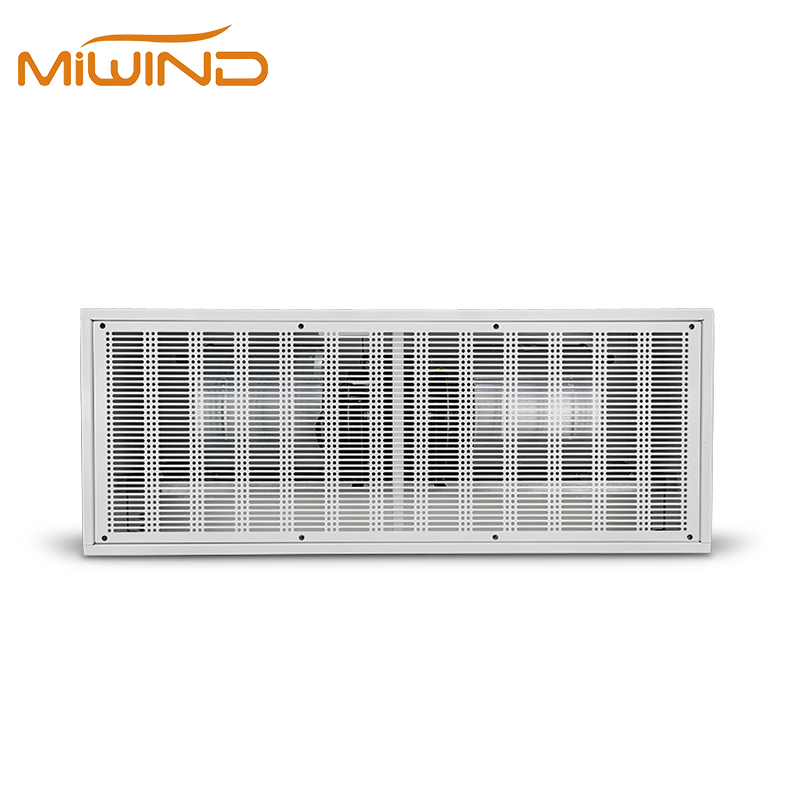
MIWIND works with buyers to convert raw doorway data into a proper quotation conversation, drawing on air curtain product options, the industrial air curtain solution, technical resources for air curtain selection, and download specification sheets. What follows is not a MIWIND savings calculator, an installed-cost benchmark, or a promised payback figure — it's a working framework for identifying what to measure before a quote request goes out.
For a wider look at dock-level energy strategies, see loading dock energy loss solutions. For a winter-specific comparison, see heated vs unheated air curtain.
What a Warehouse Air Curtain ROI Worksheet Should Measure
At its core, an ROI worksheet weighs project cost against the value of controlling unwanted air exchange and improving how a doorway functions day to day. That value looks different from site to site — sometimes it's heating or cooling loss, sometimes cold-storage frost buildup, strip-curtain replacement, worker comfort near the opening, insect intrusion, or dock-area complaints that keep landing on a facility manager's desk.
Commercial calculator tools illustrate why these inputs carry weight. The Air ROI calculator request doorway dimensions, open time, operating schedule, temperature or heating assumptions, and energy pricing before producing an estimate. MIWIND applies the same input discipline here, without attaching unverified savings percentages to the process.
Five questions frame the worksheet:
- How large is the opening?
- How long does the door actually stay open during real operation?
- What climate and temperature differential does the doorway experience?
- Can the air curtain be selected and mounted correctly for this opening?
- Which costs and operational benefits are actually being counted?
An estimate built on a partial answer to any of these isn't ready to support a purchase decision yet.
Input 1: Door Size and Opening Type
Door size sets the scale of the problem before anything else does. A service door, a dock door, a tall roll-up door, and a cold-room opening each move a different volume of air through the same square footage of building envelope. Coverage width, product category by height, and how long the opening stays active during a shift are all tied to door type — which in turn shapes whether controls can trigger the unit at the right moment.
Record the following:
| Field | Why it matters |
|---|---|
| Clear door width | Determines the coverage target. |
| Clear door height | Helps estimate opening exposure and product category. |
| Mounting height | Affects air stream reach and model review. |
| Door type | Roll-up, sectional, sliding, high-speed, dock door, or internal passage. |
| Door condition | Seals, panels, dock shelter, strip curtain, or damage. |
| Obstructions | Tracks, sprinklers, signs, pipes, sensors, or limited header space. |
The Powered Aire air curtain selector is a good market reference here — it opens with application type, door dimensions, mount type, mounting height, and heat option before returning anything useful. Buyers working with MIWIND should expect to send this level of project detail rather than a bare price inquiry.
Input 2: Door Open Hours and Traffic Pattern
Total door count rarely tells the real story — open time does. A ten-door dock might have only two doors doing most of the thermal damage during peak shifts, while a single-door facility with continuous forklift movement stays exposed for hours at a stretch.
Forklift Traffic, Dock Cycles, and Shift Schedules
Record the following:
- Door cycles per hour.
- Minutes open per hour.
- Hours per day and days per week.
- Peak shift and seasonal changes.
- Forklift, pallet, cart, or pedestrian traffic.
- Whether the door is held open between loads.
- Whether controls can start and stop the air curtain automatically.
Enbridge's calculator builds its estimate from door height, door width, minutes opened per hour, and production schedule. The output figure isn't something MIWIND treats as evidence, but the underlying logic holds up: measured open time will always outperform a description like "busy" or "frequent" when it comes to sizing a real business case.
Input 3: Climate and Temperature Difference
Climate reshapes what air separation is actually worth at a given site. A dock in a mild climate carries a different case from a winter loading dock, a humid coastal warehouse, or a cold-storage doorway — and the wider the gap between indoor and outdoor conditions, the more scrutiny the operating assumptions deserve.
Heated vs. Unheated Applications
For warehouses heated through winter, the worksheet needs outdoor winter conditions, indoor target temperature, open-hour data, wind exposure, and any recorded comfort complaints. Adding heat to the discharge stream can help comfort near the opening, but that alone doesn't guarantee a stronger ROI — it also adds equipment cost and a power or heat-source requirement that has to be accounted for separately.
MIWIND's Air Curtain Series, together with the winter dock guide on heated vs unheated air curtain, keeps the airflow-barrier decision distinct from the heat-source decision — which is where a lot of quotes get muddled.
Cold Storage and High-Difference Doors
Cold-storage ROI carries more variables than energy alone — moisture, fog, frost, ice buildup, defrost cycles, product staging, and door discipline can all factor into the case. What MIWIND content won't do is promise cold-chain compliance, product-temperature protection, or a fixed refrigeration benefit; those depend entirely on the site.
For freezer and cooler doorway symptoms specifically, see cold storage door air curtain. Cold-room ROI deserves a site-specific review rather than a formula applied across the board.
Input 4: Air Curtain Selection and Installation Fit
Even a well-built spreadsheet can produce a misleading ROI if the selected unit doesn't fit the opening. A low-cost unit mounted too high, blocked by a track, or overwhelmed by cross-pressure can underperform badly — regardless of how favorable the numbers looked on paper.
Mounting Height, Width Coverage, and Airflow Direction
The unit needs to cover the full opening width and discharge cleanly across the active door plane. Header clearance, mounting height, power availability, control wiring, and service access should all be confirmed up front. Where there's no clean mounting path, factor in the extra bracket, ceiling, wiring, or coordination work before finalizing the worksheet.
Pressure Differential and Cross Drafts
Building pressure and wind exposure can undercut even a correctly sized unit. Exhaust-heavy interiors, opposite doors left open, stack effect, and crosswinds can all bend or pull the air stream off target. In these situations, stepping up to a larger unit isn't necessarily the fix — a pressure or make-up-air review often needs to happen first before any ROI figure can be trusted.
Where pressure symptoms show up, route the project toward pressure differential and air curtain performance.
Input 5: Cost, Comfort, Dust, and Downtime Assumptions
A reliable worksheet keeps hard numbers separate from soft assumptions rather than blending them together.
Hard inputs typically include:
- Equipment cost.
- Installation and electrical cost.
- Controls and mounting accessories.
- Maintenance access cost.
- Energy price.
- Operating schedule.
- Strip-curtain replacement cost.
- Door repair or sealing work.
Operational inputs typically include:
- Worker comfort near the door.
- Draft complaints.
- Dust or insect intrusion.
- Fog, frost, or condensation cleanup.
- Downtime around defrost or cleaning.
- Visibility and forklift workflow.
Not every operational benefit needs a dollar figure attached — that's only appropriate when the buyer has actual site records to back it up. Flagging something as "a review input worth tracking" is more honest than manufacturing savings math that no one can verify later.

Simple ROI Worksheet for Comparing Quotes
Pull this together before requesting a warehouse air curtain ROI review:
| Worksheet field | What to send |
|---|---|
| Door schedule | Door count, door labels, width, height, and mounting height. |
| Opening type | Dock door, roll-up door, cold-room door, receiving door, or service door. |
| Open time | Minutes open per hour, cycles per hour, hours per day, days per week. |
| Traffic | Forklifts, pallets, carts, pedestrians, and peak loading periods. |
| Climate | Outdoor temperature range, indoor target, humidity or dew point if relevant. |
| Wind and pressure | Cross-draft, hard doors, exhaust fans, open opposite doors, or pressure symptoms. |
| Energy price | Electricity, gas, heating, cooling, or refrigeration assumptions. |
| Existing barriers | Strip curtains, dock shelters, high-speed doors, seals, or damaged doors. |
| Cost inputs | Equipment budget, installation scope, electrical work, controls, and maintenance access. |
| Operational records | Draft complaints, dust/insect issues, defrost events, cleaning time, or downtime. |
| Documents | Catalog, submittal, wiring, certificate, or distributor quote requirements. |
The warehouse industrial door case works well as a doorway reference point — it isn't presented as measured ROI proof or a quantified energy-savings result.
How to Validate ROI Before Purchase
Before signing off on a purchase, run these checks against the assumptions already gathered:
- Recheck the two or three doors with the longest open time.
- Confirm real operating hours instead of using a full-building average.
- Separate heated, cooled, ambient, and cold-storage doors.
- Confirm whether wind or pressure will reduce performance.
- Confirm model fit through width, height, mounting, controls, and power.
- Separate equipment price from installation and electrical cost.
- Keep maintenance in the lifecycle plan.
- Ask for documents before comparing suppliers.
That last step carries particular weight for OEM and distributor buyers. A lower unit price doesn't necessarily mean lower total cost if the quote arrives without product data, wiring information, warranty terms, catalog files, spare-parts planning, or the documents a given export market requires. Download specification sheets, the air curtain catalog, and technical resources for air curtain selection are worth pulling up side by side when comparing suppliers.
Once a unit is selected, the industrial air curtain maintenance checklist covers what keeps the lifecycle case intact.
FAQ
What inputs matter most when estimating air curtain payback?
Door width, height, open time, operating schedule, climate, temperature difference, energy price, mounting feasibility, controls, and pressure or wind conditions are the variables that shape a realistic estimate.
How does door size affect air curtain payback?
Larger openings tend to create larger air-exchange loads, though they also demand larger or more complex equipment to address them properly. Door size needs to be weighed alongside open time, climate, and installation fit — not on its own.
Why do door open hours change the ROI calculation?
An air curtain earns its value while the opening is active, or while it's supporting frequent access through that opening. A door open a few minutes daily and a dock held open through long loading windows represent entirely different business cases, even with identical dimensions.
Does climate affect heated vs unheated air curtain ROI?
It does. Winter temperature, cooling-season demands, humidity, wind exposure, and cold-storage conditions all shift the underlying assumptions. Heated discharge can support comfort near an opening, but it comes with its own power or heat-source requirement that changes the equation.
Can an air curtain ROI calculator promise exact savings?
Not reliably. Every calculator runs on assumptions, which makes them useful for comparison but not for guarantees. Actual results depend on site conditions, product selection, installation quality, control settings, staff behavior, energy pricing, and ongoing maintenance.
What data should I collect before requesting a quote?
Door size, mounting height, open time, operating schedule, traffic patterns, climate data, energy pricing, pressure symptoms, existing barriers, photos, drawings, quantity needed, destination market, and any document requirements specific to that market.
Next Step
Contact Us to request a warehouse air curtain ROI review. Send through the worksheet data outlined above, and MIWIND can line it up against the industrial air curtain solution, relevant product options, the document path, and quotation inputs — without turning site assumptions into a promised payback figure.