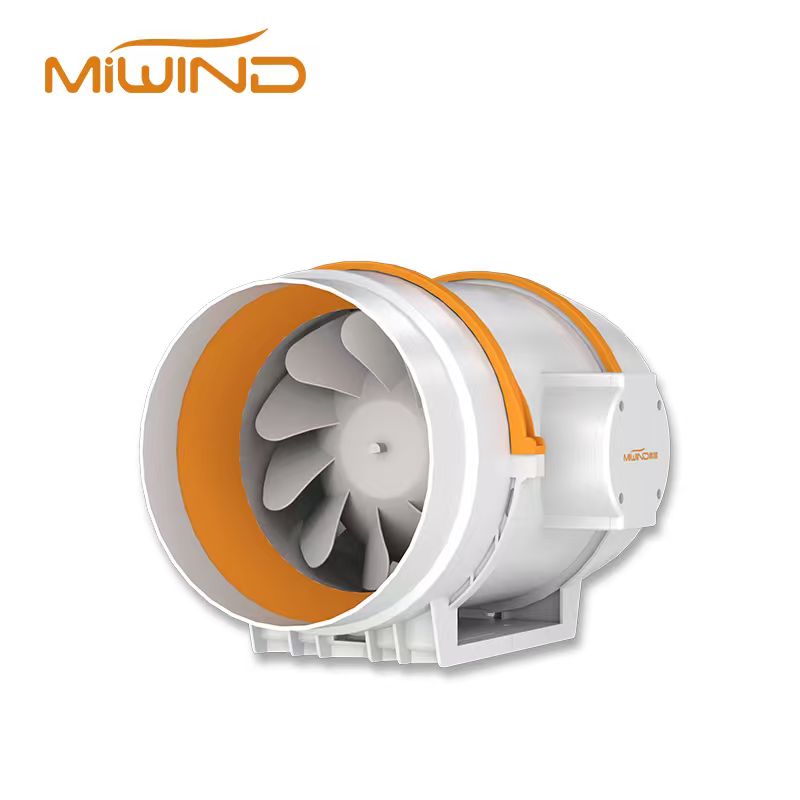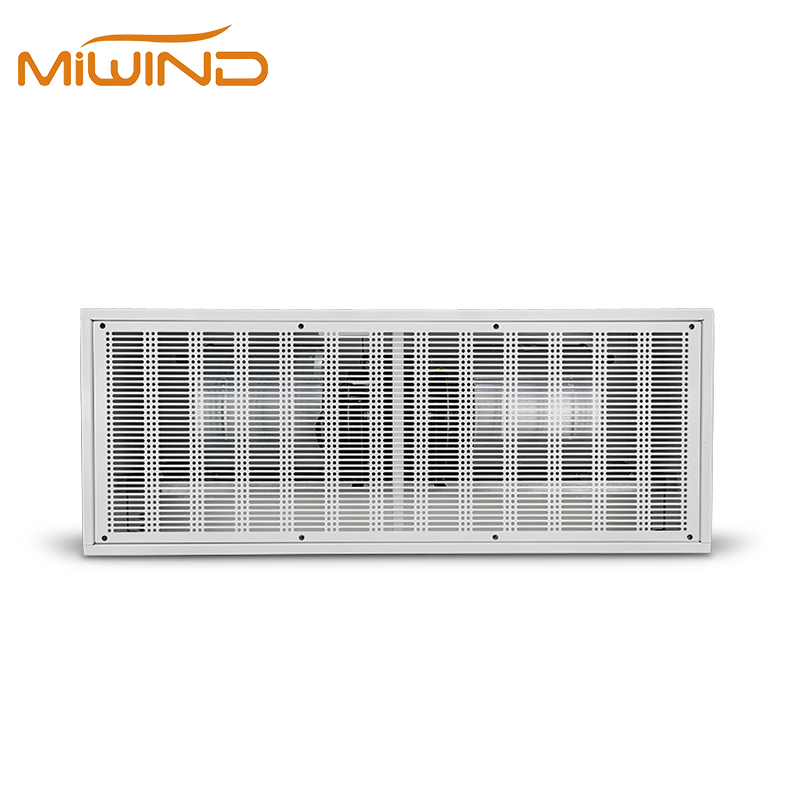
A ventilation fan is used to move air so a building can remove stale air, control moisture and odors, supply outdoor air, or distribute air through a duct system. The correct fan depends on whether the project needs exhaust, fresh-air supply, local source capture or balanced air exchange.
Applications at a Glance
| Application | What the fan does | Typical selection concern |
|---|---|---|
| Bathroom and utility room | Removes humidity and odors. | Discharge route, backdraft protection, noise and run-on control. |
| Kitchen and food service | Captures heat, steam, smoke and cooking odors. | Source location, grease handling, make-up air and cleaning access. |
| Office and public room | Supplies fresh air and supports comfortable air exchange. | Occupancy, outdoor-air volume, filtration, sound and diffuser placement. |
| Warehouse and workshop | Removes heat, fumes, dust or stale air from a large space. | Contaminant source, operating schedule, pressure and discharge location. |
| Ducted HVAC branch | Moves air through long or restrictive duct runs. | Static pressure, duct diameter, bends, filters and delivered airflow. |
Exhaust Fan Uses
An exhaust fan removes indoor air and discharges it outside. Choose the MIWIND exhaust fan range when the main problem is moisture, odor, smoke, process heat or contaminated air at a defined source. The fan should be located and ducted so the removed air does not return through a door, window or outdoor-air intake.
Exhaust also changes the building pressure. A larger exhaust flow needs a suitable replacement-air path. Without make-up air, doors can become difficult to operate and unconditioned air may enter through unwanted openings.
Fresh-Air and Inline Duct Fan Uses
A fresh-air fan supplies outdoor air to an occupied room or air-handling path. The system may include a filter box, damper, silencer and diffuser. An inline duct fan is useful when the fan must overcome a long duct, several elbows, a filter or a branch connection. Compare the MIWIND fresh-air system range using the connected-system airflow and pressure, not only the free-air rating.
How to Choose the Right Ventilation Fan
- Define whether the requirement is exhaust, fresh-air supply, circulation or a combination.
- Measure room volume, occupancy or contaminant load and establish the target air volume.
- Calculate pressure loss from duct length, bends, grilles, filters and dampers.
- Confirm sound, vibration, control, electrical and maintenance requirements.
- Check the discharge location and make-up air path before finalizing the fan.
Maintenance and Performance Checks
Clean grilles and filters, inspect the duct for obstruction and check that the motor and electrical connections remain in good condition. Compare measured airflow and noise with the commissioning condition. A fan that sounds different or delivers less air may have a loaded filter, loose connection, blocked duct or changing system pressure.
Request a Ventilation Recommendation
For a project selection, send the room or process use, target air volume, duct dimensions, pressure information, installation location and expected quantity through the MIWIND contact form.