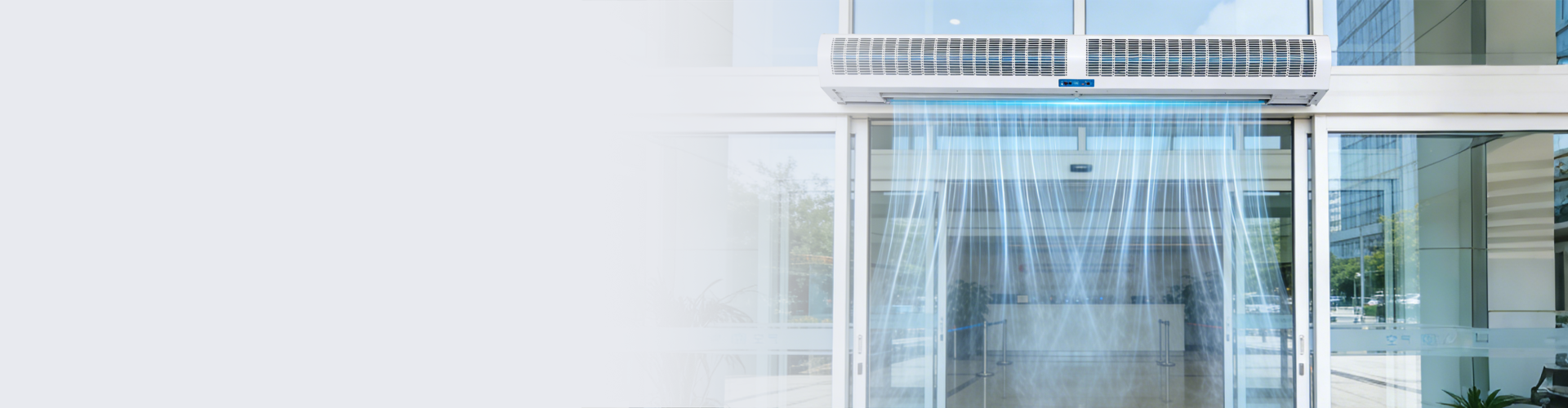
An air curtain for a shopping mall creates a controlled stream of air across an entrance to reduce the exchange of conditioned indoor air with outdoor air. It is most effective when the unit covers the full opening, reaches the required discharge velocity and is selected for the doorway height, traffic pattern and local wind conditions.
Why Mall Entrances Need Airflow Separation
Mall entrances open and close continuously. Each opening allows outdoor heat, cold air, dust, insects and humidity to enter while conditioned air escapes. An air curtain does not replace a physical door and does not create a perfect seal, but it can reduce the effect of open-door traffic while allowing customers, carts and deliveries to pass.
Start with the entrance type: a main revolving or sliding-door lobby, a frequently open retail entrance, a service corridor or a loading connection. The traffic frequency and the pressure difference between indoors and outdoors affect the required airflow.
Doorway Selection Checklist
| Selection item | What to confirm | Why it matters |
|---|---|---|
| Opening width | Unit length and discharge coverage across the full doorway. | Uncovered side gaps allow air, dust or insects to bypass the barrier. |
| Mounting height | Distance from the top of the opening to the floor. | The air stream must reach the floor with enough velocity to work across the opening. |
| Traffic and wind | Door opening frequency, cross-drafts and exterior exposure. | Busy or exposed entrances may need a stronger airflow arrangement. |
| Heating requirement | Whether the lobby needs heated discharge during cold weather. | Heated and unheated models serve different comfort and energy strategies. |
Choosing the Air Curtain Type
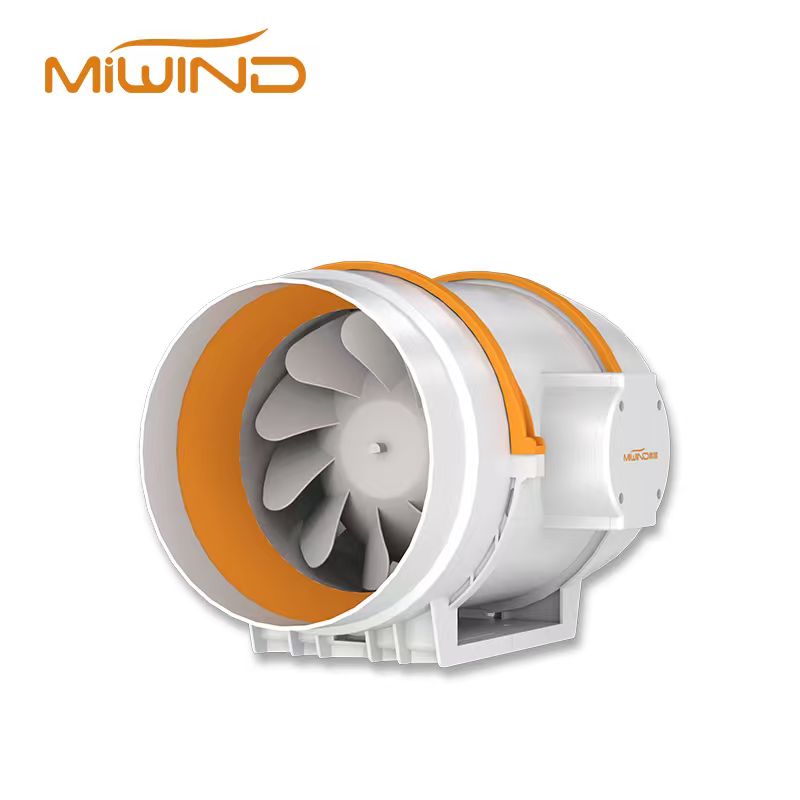
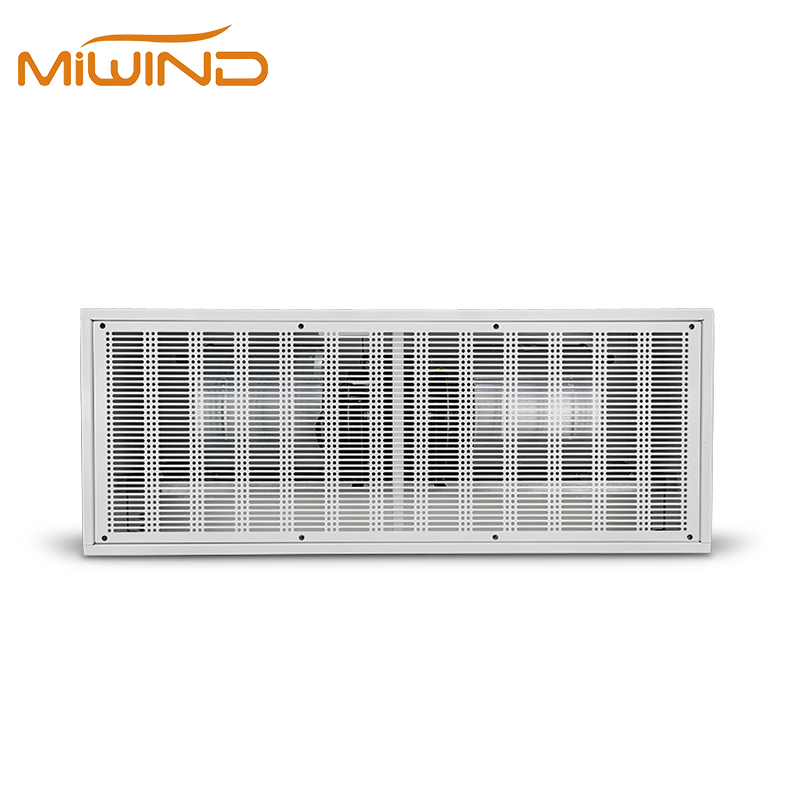
For a standard retail doorway, compare the MIWIND air curtain range by opening width, mounting height, airflow and control options. A high-traffic or taller entrance may need a centrifugal model with sufficient pressure to resist cross-drafts. Review the X5 centrifugal air curtain when the project requires a higher-pressure entrance solution, then confirm the actual doorway dimensions before ordering.
Installation Position and Airflow Direction
Mount the air curtain as close to the top of the opening as practical and keep the discharge path clear. The outlet should cover the full width and direct air toward the threshold rather than into an obstruction. Check the position of sprinklers, signs, lighting, structural beams and automatic doors before fixing the unit.
After installation, observe the air stream with the doors open under normal traffic. If the stream does not reach the floor, if one side is uncovered or if wind pushes the air curtain away from the opening, the unit or installation needs adjustment.
Cold, Heat, Dust and Insect Control
Air curtains can support both cooling-season and heating-season comfort by reducing the uncontrolled exchange at the entrance. They can also make it harder for flying insects and dust to pass through a doorway. Performance depends on the air curtain being correctly sized and maintained; a dirty intake, damaged fan or blocked outlet weakens the barrier.
Mall Entrance Project Inputs
- Opening width, clear height and the available mounting space.
- Door type, daily traffic, delivery schedule and expected open-door time.
- Indoor and outdoor temperature targets, wind exposure and nearby pressure sources.
- Heated or unheated discharge, controls, sound limit and maintenance access.
- Entrance photos or drawings and expected quantity through the MIWIND contact form.