Exhaust fan maintenance should follow a repeatable schedule for filters, blades, motors, wiring, ducts and exterior vents. The goal is to keep the connected system moving its design airflow safely, not only to make the fan look clean. Always isolate power before opening the housing and use a licensed technician for electrical or high-access work.
Maintenance schedule
| Interval | Maintenance action | Record |
|---|---|---|
| Each use or weekly | Check unusual noise, vibration, smell, weak airflow and visible blockage. | Operating condition and any immediate safety issue. |
| Monthly | Clean the grille, intake and accessible fan surfaces; confirm the exterior discharge is clear. | Cleaning date, visible dust or grease and grille condition. |
| Every 3 months | Inspect filters, blades, mounts, wiring and the first section of ductwork. | Filter condition, loose parts, corrosion and airflow observation. |
| Annually | Inspect the complete duct route, motor, controls, backdraft device and discharge termination. | Measured airflow, service findings and parts replaced. |
Symptoms, Causes and Actions
| Symptom | Possible cause | Action |
|---|---|---|
| Airflow has fallen | Loaded filter, blocked grille, dirty wheel or obstructed duct. | Isolate power, clean the accessible parts and inspect the connected duct route. |
| Fan is noisy or vibrating | Loose mounting, damaged blade, worn bearing or imbalance. | Stop the unit and have the mounting, wheel and motor checked before restarting. |
| Odor remains in the room | Wrong source location, backdraft, duct leakage or insufficient make-up air. | Check airflow direction and the discharge path, not only the fan motor. |
| Motor runs hot | Restricted airflow, incorrect voltage, overloaded motor or failing bearing. | Stop operation and arrange an electrical and mechanical inspection. |
Filters, Blades and Housing
Turn off and isolate the circuit before removing a grille or cover. Vacuum dust from the housing, clean blades with a suitable non-abrasive method and replace disposable filters on the project schedule. Kitchen exhaust equipment may need grease removal more often than a bathroom or office fan. Do not allow water or cleaning fluid to enter the motor or electrical enclosure.
Motor, Mounting and Electrical Checks
Listen for grinding, rattling or a change in pitch. Check that brackets, fasteners and vibration isolators remain tight. Inspect visible cables, terminals and protective devices for heat, corrosion or damage. Electrical testing and repairs should be carried out by a qualified person, especially in wet rooms, kitchens and industrial areas.
Ductwork and Exterior Discharge
A clean fan cannot overcome a blocked or leaking duct. Inspect elbows, dampers, backdraft devices, grilles and the exterior termination for lint, grease, leaves or nesting material. Seal accessible duct joints where leaks reduce the delivered airflow, and keep the discharge far enough from outdoor-air intakes to prevent re-entry.
When to Replace or Upgrade the Fan
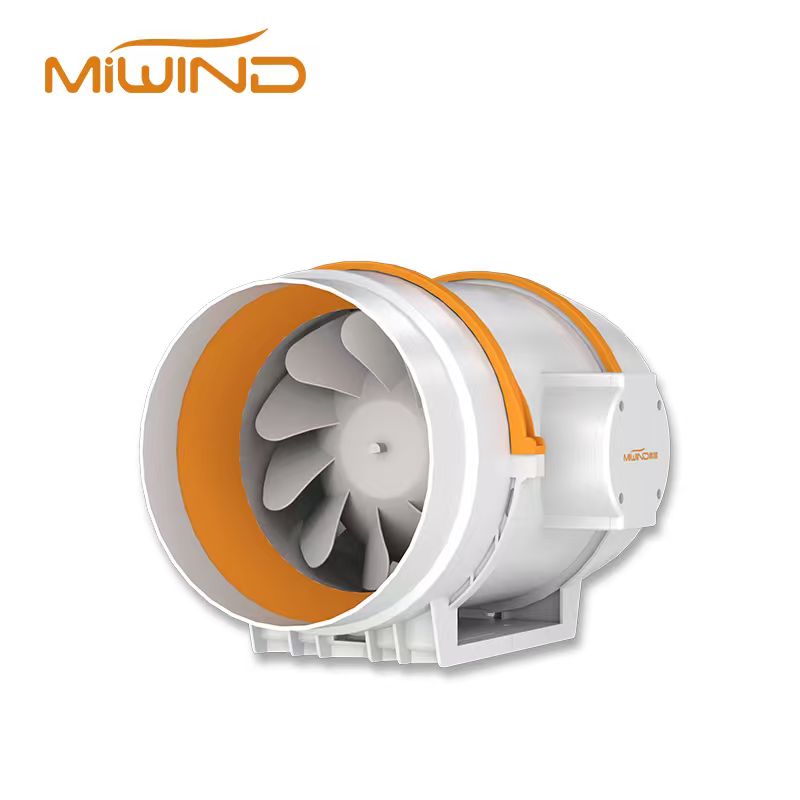
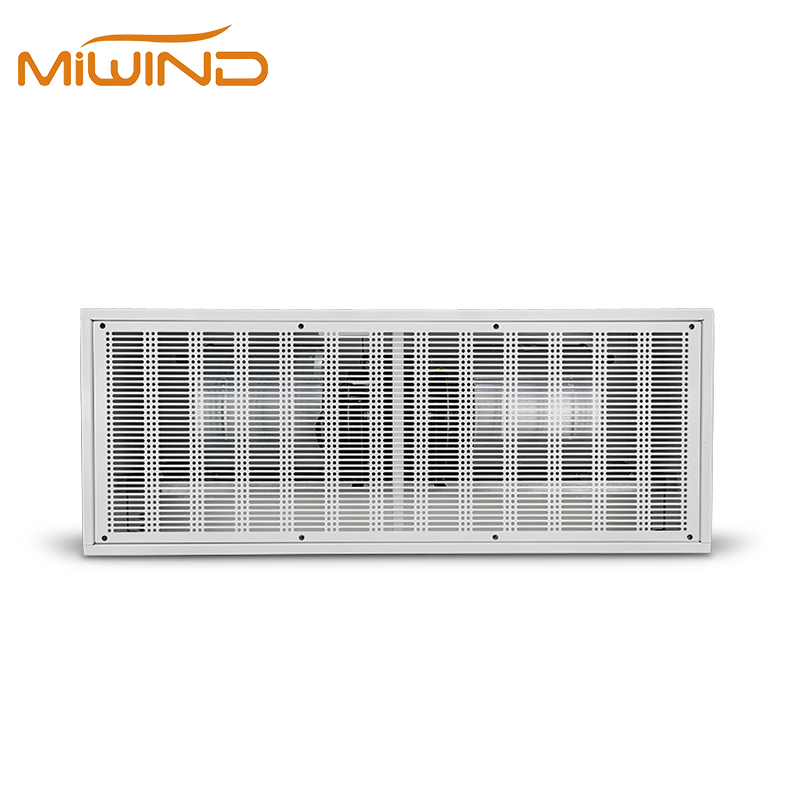
Consider replacement when the motor repeatedly overheats, the housing is corroded, parts are no longer available or the installed fan cannot meet the required airflow at the connected pressure. Compare the MIWIND exhaust fan range and the integrated ceiling exhaust fan series with the actual room volume, duct route, noise limit and operating schedule.
Request a Maintenance or Replacement Recommendation
Send the fan model, room or process use, observed airflow problem, duct dimensions and expected quantity through the MIWIND contact form. This information helps separate a cleaning issue from a sizing, pressure or replacement decision.