Heat recovery ventilation, or HRV, supplies outdoor air and removes stale indoor air while transferring sensible heat between the two air streams. The supply and exhaust air remain separate; a heat exchanger transfers energy so the incoming air is closer to the indoor temperature before it reaches the occupied space.
Quick answer: what is heat recovery ventilation?
An HRV is a balanced ventilation system with two fans, filters, ducts and a heat exchanger core. One air path exhausts stale air from rooms such as kitchens, bathrooms or occupied spaces. The other brings in outdoor air. The heat exchanger reduces the heating or cooling load associated with ventilation, but it does not create a free source of heat and its performance depends on airflow, climate, controls and maintenance.
How an HRV system works
- The exhaust fan draws stale indoor air toward the heat exchanger.
- The supply fan draws filtered outdoor air through a separate path.
- The two air streams pass through separate channels in the core.
- Sensible heat moves through the heat exchanger material without mixing the air streams.
- Tempered fresh air is supplied to occupied rooms while stale air is discharged outdoors.
HRV components and selection inputs
| Component | What it does | Project input to confirm |
|---|---|---|
| Heat exchanger core | Transfers sensible heat between separate supply and exhaust paths. | Required recovery performance, climate, frost strategy and service access. |
| Supply and exhaust fans | Move air through the core and building ductwork. | Air volume at connected static pressure, sound and control range. |
| Filters | Protect the unit and improve incoming air quality. | Filter grade, pressure loss, replacement interval and access. |
| Ducts and diffusers | Deliver fresh air and collect stale air from the right zones. | Room layout, duct length, bends, balancing and condensate control. |
| Controls | Coordinate speed, schedule, boost and alarms. | Occupancy, humidity, CO2 strategy, outdoor conditions and service alerts. |
HRV versus standard exhaust ventilation
A standard exhaust fan removes air but needs a replacement-air path and does not recover sensible heat from the exhaust stream. An HRV supplies and exhausts air in a coordinated system, which is useful where energy loss, comfort and indoor-air quality must be considered together. The choice depends on the building envelope, climate, air volume, duct layout and budget.
Where heat recovery ventilation is used
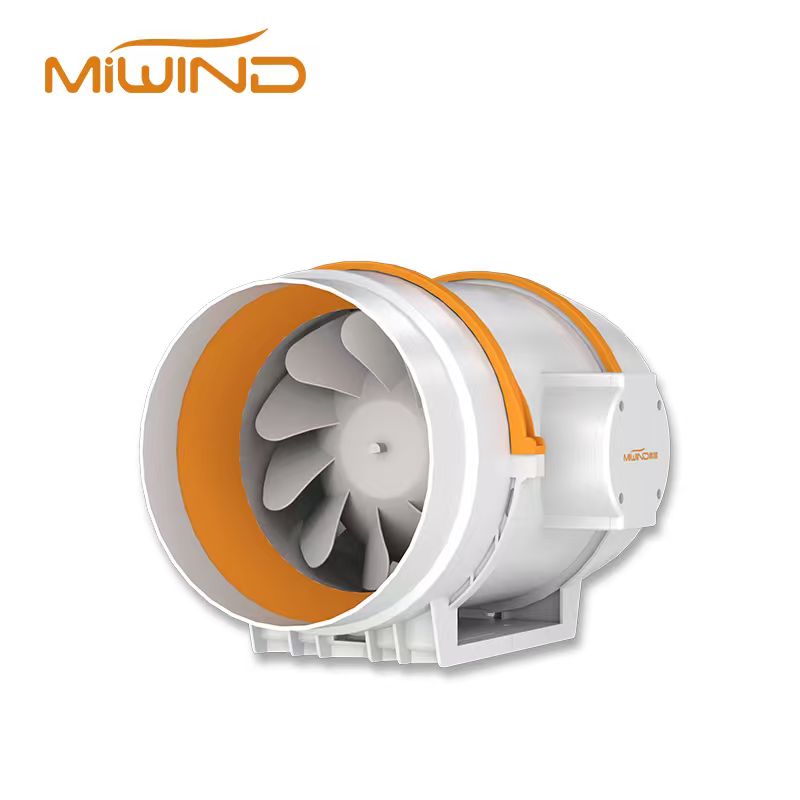
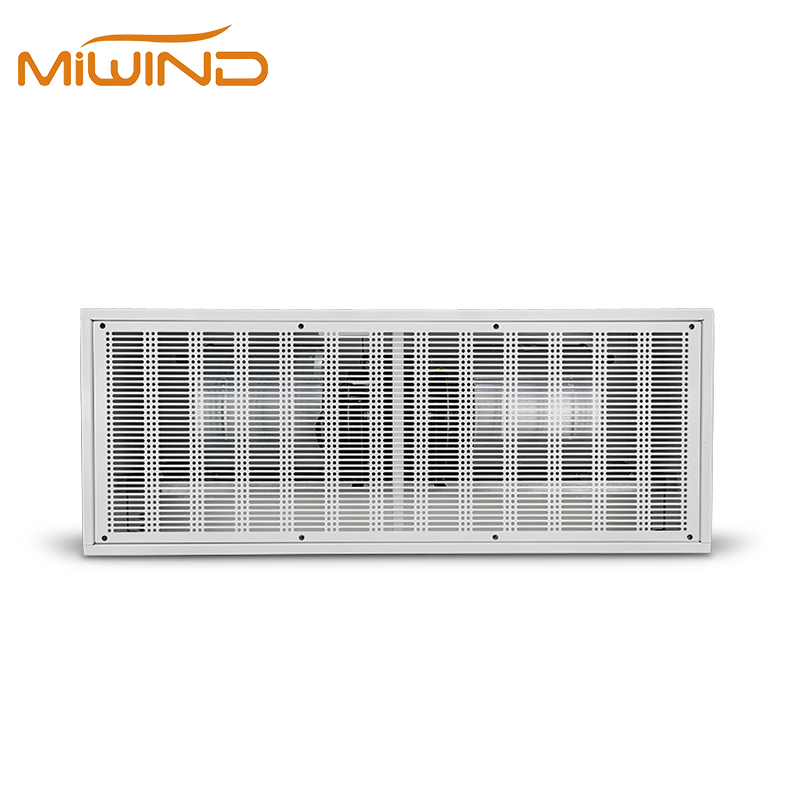
HRV systems can support homes, offices, schools, hotels and other occupied buildings where continuous fresh air is needed. Larger commercial or industrial projects may use a dedicated commercial heat recovery ventilation unit with project-specific airflow, filtration and controls. Compare it with the MIWIND fresh-air system range when the project also needs inline duct or supply-air equipment.
HRV selection checklist
- Calculate the required supply and exhaust air volume from occupancy, room use and ventilation requirements.
- Calculate connected static pressure from duct length, bends, filters, grilles and diffusers.
- Confirm sensible heat recovery, frost or condensate strategy and the local climate conditions.
- Check sound levels at occupied rooms and plan vibration isolation where necessary.
- Provide service access for filters, fans, core inspection and condensate drainage.
- Confirm controls, balancing points and commissioning measurements before ordering.
Maintenance and commissioning
Commission the system by measuring supply and exhaust airflow, checking balance and confirming that air does not short-circuit between intake and discharge. Replace filters before pressure loss becomes excessive, inspect the core and condensate path, and verify fan and control operation after service. For airflow targets, duct drawings and expected quantity, send the project details through the MIWIND contact form.