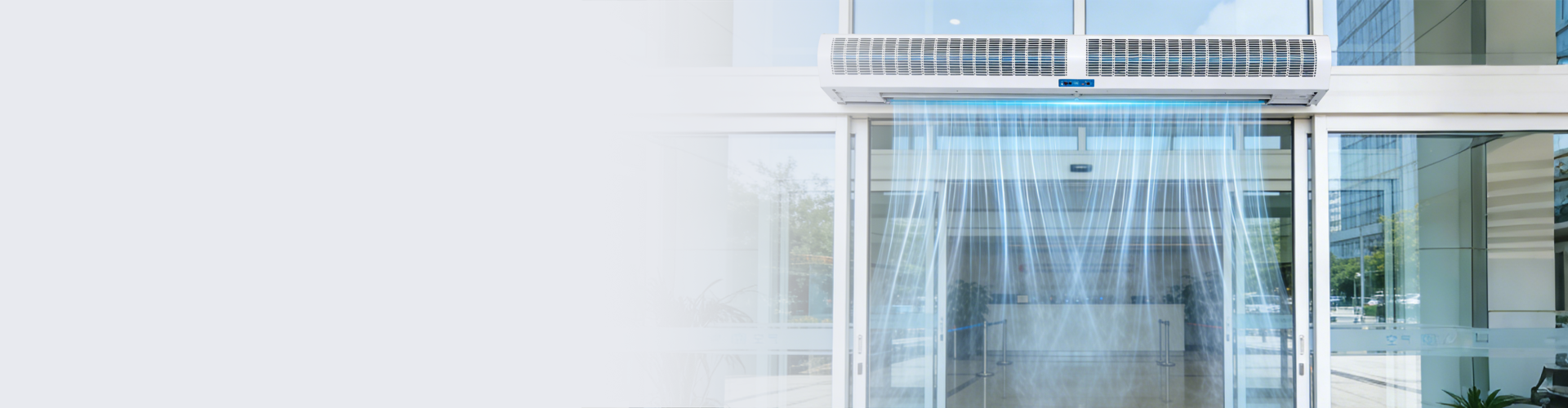
Choose an air curtain by matching the complete doorway and operating conditions, not by doorway width alone. The key inputs are clear width, height, traffic, wind, indoor pressure, airflow, heating, sound, controls and service access. A unit that is too short or too weak can leave bypass gaps even when its motor power looks adequate.
Air Curtain Selection Checklist
| Input | What to record | Selection consequence |
|---|---|---|
| Doorway width and height | Clear opening at the highest point and total width to cover. | Sets unit length, mounting position and required discharge reach. |
| Traffic | People, carts, forklifts, deliveries, door-open time and operating hours. | Sets run schedule, control method and tolerance for drafts. |
| Wind and pressure | Outdoor exposure, cross-draft, nearby exhaust and indoor pressure. | May require more airflow, a different model or pressure correction. |
| Heating | Indoor and outdoor temperatures, comfort target and available power. | Determines whether an unheated or heated model is appropriate. |
| Noise and controls | Occupied-room sound limit, sensor, switch, timer and BMS requirements. | Affects model, speed setting, mounting and control integration. |
Match Coverage to the Opening
Measure the clear opening, not the nominal door size. The discharge should cover the complete width with no large side gaps, and the unit should be mounted close enough to the top of the opening for the air stream to reach the threshold. For a wide entrance, adjoining units can be considered when the project allows their controls and service access.
Choose Airflow and Pressure for the Site
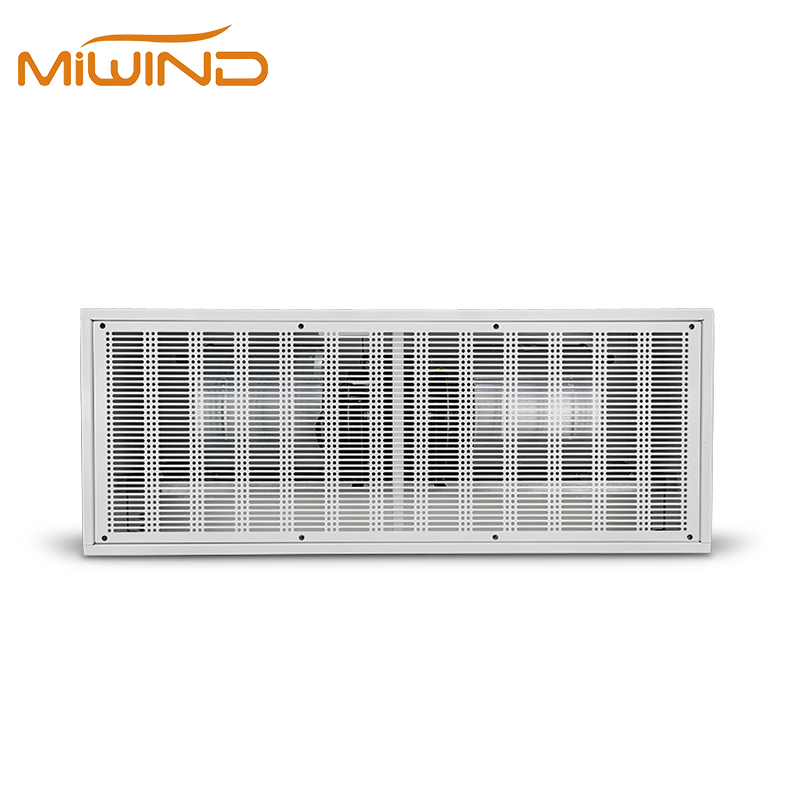
Traffic and cross-wind can change the performance required at the doorway. A sheltered internal entrance may need a different setting from a loading door exposed to wind. Check nearby exhaust fans, supply grilles and pressure differences because they can deflect the discharge. Compare the MIWIND D-series air curtain data with the measured opening and site conditions.
Heated or Unheated
An unheated air curtain separates air without adding heat to the discharge. A heated unit may improve comfort at a cold entrance, but it also requires electrical capacity, controls and a safe installation plan. Do not use heating to compensate for an undersized or badly positioned air stream.
Installation, Controls and Maintenance
- Confirm the wall or frame can support the unit and keep the outlet clear of signs and lights.
- Provide the rated voltage, circuit protection, isolator and control wiring.
- Use a door switch, sensor, timer or BMS signal when it matches the traffic schedule.
- Commission the air stream with the opening exposed to normal wind and traffic.
- Keep the intake and outlet clean, check fasteners and review airflow if the entrance conditions change.
Send the Project Data
For a recommendation, send the clear width and height, indoor and outdoor temperature, wind exposure, traffic pattern, heating preference, sound limit, power supply and expected quantity through the MIWIND contact form.