OEM ODM ventilation products are frequently treated as a branding decision — just a logo swap. In reality, the choice determines who controls the product specification, how long development and sample loops take, whether tooling is required, what documentation is generated, and where MOQ and packaging commitments fall. A distributor prioritizing fast market entry will typically follow a different path than a private-label brand building a specialized model.
This guide serves distributors, private-label brands, sourcing teams, and procurement decision-makers evaluating manufacturing paths before submitting an inquiry. MIWIND outlines its OEM/ODM service, explains partner cooperation terms, presents product families, and reviews project scope through Contact Us.
Treat this as a pre-inquiry checklist. Tooling cost, sample approval timelines, MOQ, lead time, customization depth, certification support, private-label terms, packaging approval, and program scope are confirmed only after MIWIND reviews the exact product family and customization request.

OEM And ODM In Practical Buyer Language
OEM path
An OEM path puts the buyer in the driver's seat on specification control — dimensions, performance targets, materials, motor selection, controls, appearance, labeling, packaging, and documentation are all open to negotiation. This control comes at a cost: more technical input from the buyer, more sample review cycles, and additional time to confirm engineering feasibility.
ODM path
An ODM path builds on an existing supplier platform, which speeds up evaluation when the standard product family already suits the target market. Here, adaptation covers branding, carton artwork, manuals, label language, accessory sets, plug or voltage configuration, and minor tuning — not ground-up engineering.
The core distinction for ventilation buyers is control versus speed. OEM-style development hands the buyer greater specification authority but demands more review rounds; ODM-style adaptation starts from a proven platform and evaluates faster when fit is already close.
Which Path Fits The Buyer?
Choose ODM-style adaptation when speed matters
ODM-style adaptation suits buyers entering a market quickly, testing demand, working from an existing fan or air curtain platform, or launching with lower specification complexity. Distributors needing catalog-ready products, ready imagery, datasheets, and basic localization gain the most from this route.
Speed still depends on input quality. Buyers must specify product family, target market, voltage, label language, carton requirements, document expectations, and a sample plan — "use our brand" alone will not move a project forward.
Choose OEM-style development when control matters
OEM-style development becomes necessary when a target specification exceeds what existing models can deliver — a specific size range, control logic, motor requirement, casing design, acoustic target, market-specific document set, or integration requirement.
The tradeoff is time and process depth: feasibility review, drawings, engineering confirmation, sample revisions, tooling discussion, cost analysis, and document review all extend the approval timeline. Reliable pricing, MOQ, certification pathways, and lead times only emerge once the concept becomes a structured specification.
A Simple Decision Table
| Buyer need | Better starting path | Why it matters |
|---|---|---|
| Fast distributor launch | ODM-style adaptation | Starts from an existing product family and reduces early specification work. |
| Private label catalog | ODM-style adaptation | Branding and packaging changes are often sufficient when performance and documentation already fit. |
| Unique dimensions or casing | OEM-style development | Requires specification review and possible tooling investment. |
| Special motor, control, or wiring | OEM-style development | Requires model-specific electrical and document review. |
| Unclear market test | ODM-style adaptation | Validates demand before committing to deeper customization. |
| Protected specification | OEM-style development | Gives the buyer higher control and technical ownership. |
This table is a starting reference, not a guarantee that every listed option applies to a specific product line.
What Changes In The RFQ?
ODM-style RFQ inputs
An ODM-style inquiry should include the product family, target market, standard model of interest, voltage and frequency, plug or wiring notes, branding requirements, carton language, manual language, certificate questions, sample quantity, forecast, and target launch schedule.
OEM-style RFQ inputs
An OEM-style inquiry needs the full specification, drawings where available, target airflow or performance data, dimensions, material notes, motor and control requirements, target certificates, environmental operating conditions, packaging preferences, testing expectations, sample approval workflow, forecast, and timeline.
Review how to write an HVAC ventilation RFQ before submitting either type. For additional preparation, see private label HVAC fan RFQ, OEM ventilation sample request, ventilation spec sheet checklist, and private label ventilation packaging checklist.
Samples, MOQ, Tooling, And Documents
Samples
Samples expose the gaps that specifications miss — finish quality, label placement, voltage compliance, accessory fit, noise level, and packaging integrity often need one more revision round. Put the sample approval path in writing rather than tracking it through informal messages alone.
MOQ and tooling
MOQ and tooling requirements shift with product family, material selection, part sourcing, supplier process, branding depth, packaging design, and overall development scope. Structured questions get structured, documented answers — MIWIND responds against the specific product route once these variables are defined.
Documents
Documentation must map to the exact product model and target market: datasheets, manuals, wiring diagrams, declarations, certificates, test reports, labels, and carton files all factor in. Buyers evaluating OEM ODM ventilation products should confirm upfront which documents already exist and which require new review.

MIWIND OEM/ODM Inquiry Checklist
Include these details when requesting an OEM/ODM comparison from MIWIND:
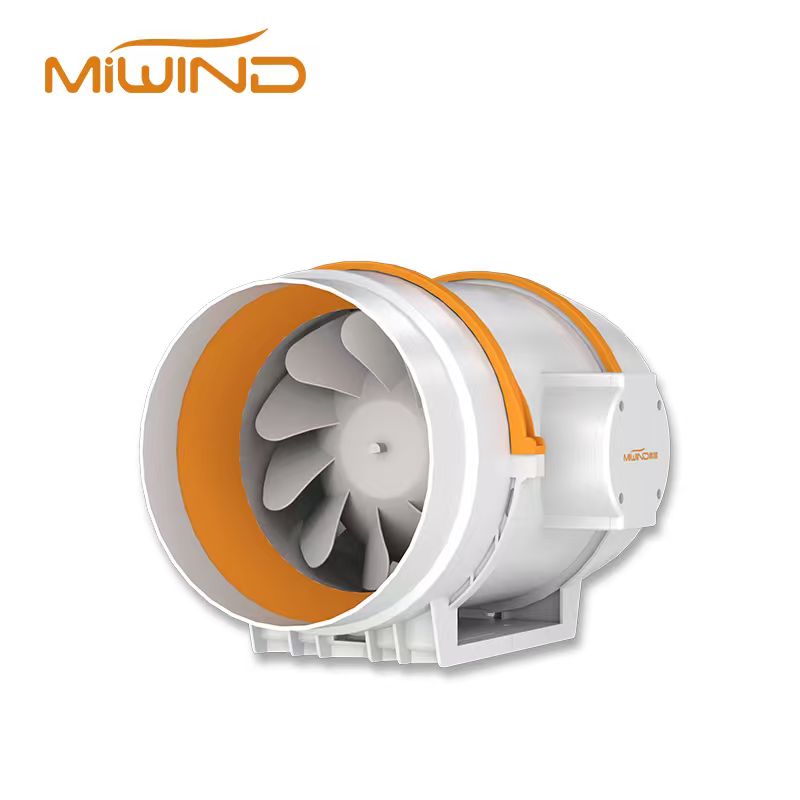
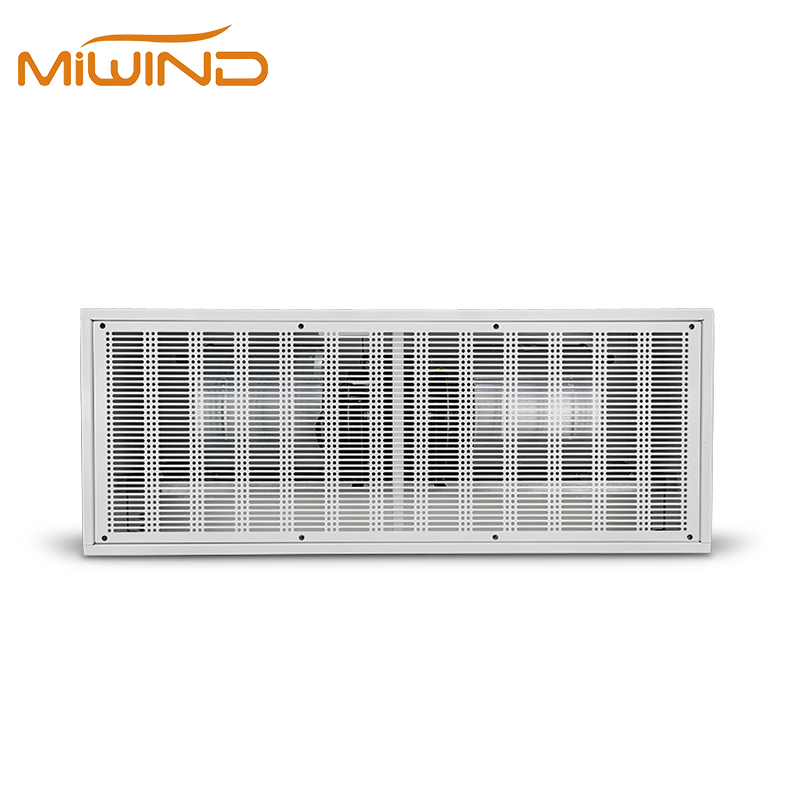
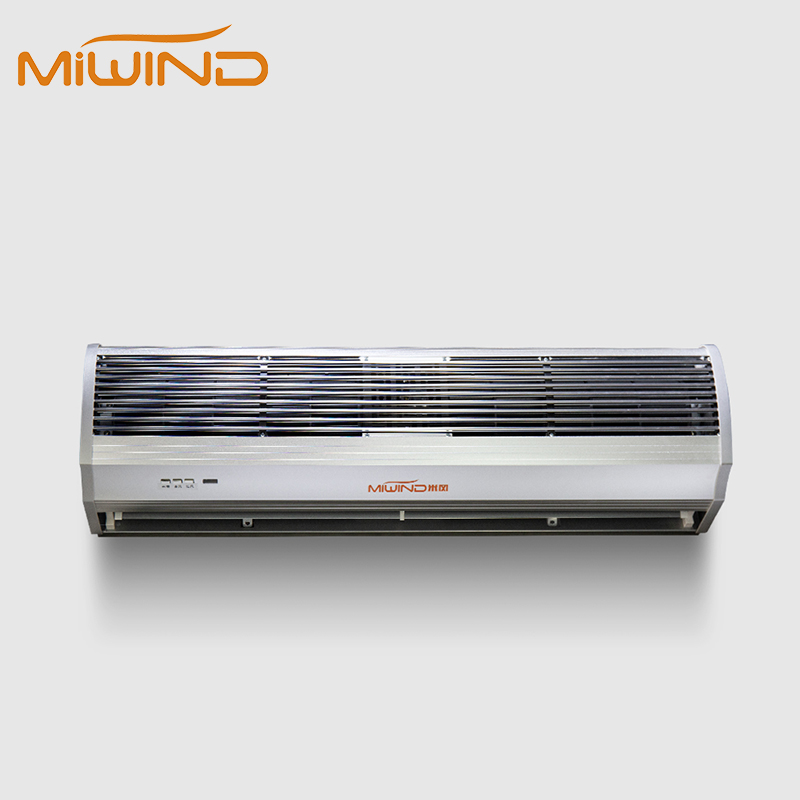
- Target product family: air curtain, duct fan, exhaust fan, fresh air product, dehumidifier, or mixed portfolio.
- Preferred path: ODM adaptation, OEM development, private label, distributor launch, or undecided.
- Target market, sales channel, and required language.
- Standard model interest or custom specification.
- Performance, voltage, control, mounting, material, and appearance requirements.
- Branding, nameplate, carton, manual, barcode, and photo requirements.
- Certificate and document questions.
- Sample quantity, approval process, forecast, and timeline.
- Questions about MOQ, tooling, packaging, warranty, and after-sales support.
FAQ
What are OEM ODM ventilation products?
They are ventilation products sourced through either buyer-specified development or adaptation of an existing supplier platform. The right path depends on control, speed, branding, technical requirements, documentation, quantity, and timeline.
Is ODM always faster than OEM?
ODM generally starts faster because it builds on an existing product platform, but branding, voltage, documentation, samples, packaging, order size, and factory review still determine the final timeline.
Can MIWIND confirm MOQ or tooling from a concept?
No. MOQ and tooling are discussed once product family, customization scope, documentation, samples, and forecast are clearly defined.
Should private-label buyers start with OEM or ODM?
Most private-label buyers start with ODM-style adaptation when an existing product already fits their needs. Buyers requiring unique specifications typically move to OEM-style development.
Next Step: Compare OEM/ODM Options
Use compare OEM/ODM options after preparing the checklist above. Clear, structured inputs allow MIWIND to discuss OEM ODM ventilation products with realistic customization scope, MOQ, sample approval timelines, and document support.