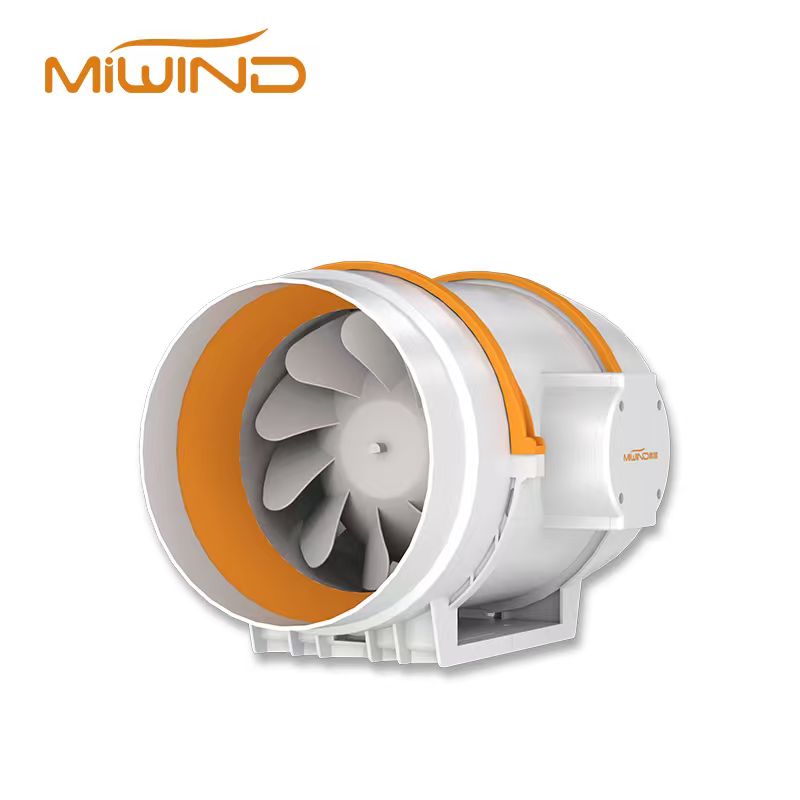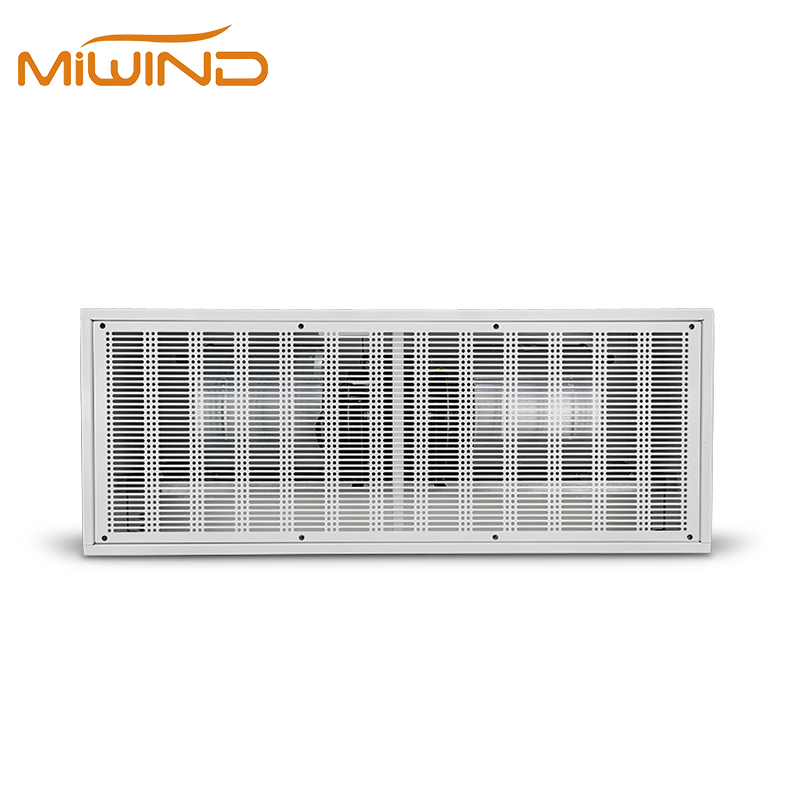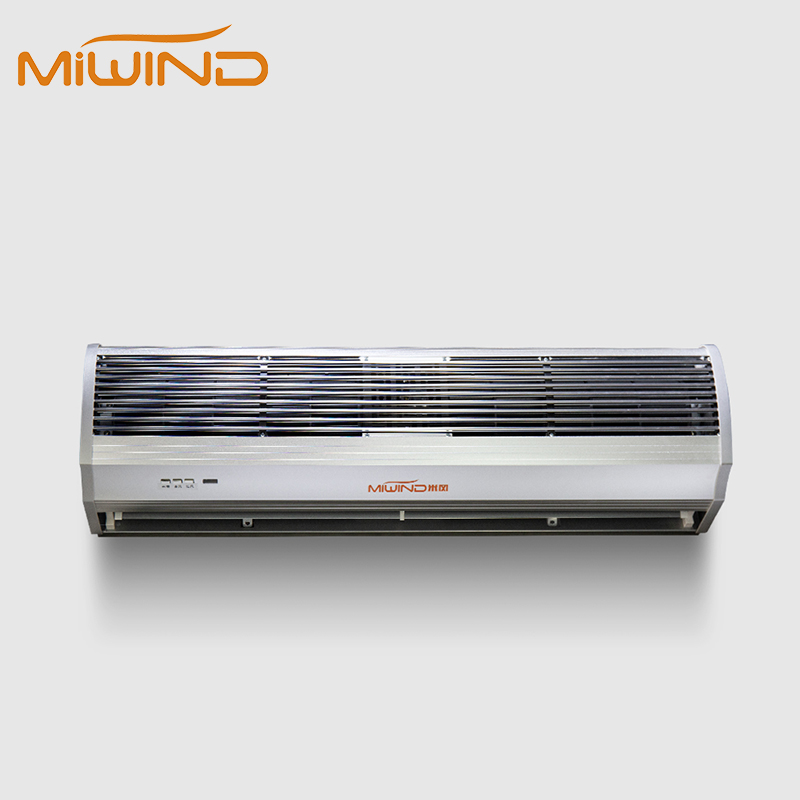
Before a fan gets specified, most kitchen exhaust projects stall on one question: is this a Type I or Type II hood situation? The answer isn't really about the hood itself — it's about what the appliances underneath it are producing, how the duct will run, whether fire suppression is already in scope, and how make-up air gets replaced. Get those pieces sorted first, and the fan conversation becomes much shorter.
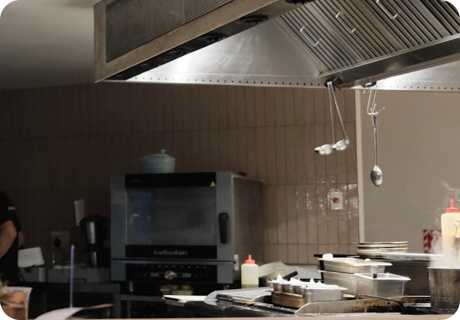
This guide is written for the people who actually sit in these decisions — restaurant operators, hotel facility managers, franchise buyers, distributors, OEM procurement teams, and the MEP/HVAC engineers and contractors who have to translate a hood spec into a working exhaust system. If you're at the point of confirming hood duty, MIWIND can help route kitchen exhaust planning, walk through the exhaust fan series once that duty is confirmed, compare exhaust fan options, or take your project details directly through Contact Us.
One boundary worth stating plainly: nothing here should be read as MIWIND holding Type I or Type II listing, UL 710 listing, NFPA 96 compliance, fire-suppression approval, or grease-rated certification. Hood classification and code approval are decisions for your engineer, hood manufacturer, and local AHJ — not for a product page.
Quick Comparison: Type I vs Type II
The short version most people already know: Type I hoods sit over cooking that generates grease-laden vapor — think fryers, griddles, char broilers. Type II hoods cover heat and steam loads without grease — ovens, steamers, dish machines. That's a useful starting filter, but it's not an approval, and plenty of kitchens mix both duties under one roofline.
For a sense of how established suppliers document these hood families, Greenheck's exhaust hoods page and catalog library are worth a look — purely as market reference, not as anything tied to MIWIND listings.
Grease and smoke vs heat and steam
When you're briefing a supplier or engineer, the useful detail isn't "restaurant kitchen" — it's what's actually cooking. Solid-fuel grilling, high-heat frying, or charbroiling behave very differently in a duct than a bank of ovens or a dishwasher producing condensate. That distinction usually decides which review path the project follows, but the call itself stays with the engineer, the hood manufacturer, and whatever local code applies.
Treat "Type I vs Type II" as a way to organize the right questions early — not as a label that settles equipment selection on its own.
Appliance Examples and Duty Clues
Start with the appliance list, not the hood label. A single line — fryers, griddles, ovens, steamers, dish machines — can hide two or three different exhaust duties under one hood run. "Commercial kitchen" tells you almost nothing until you know what's actually producing the load.
A few things worth writing down before you talk to a supplier:
- What's cooking, and how (fuel-fired vs electric).
- Whether grease and smoke are present, or it's mostly steam and heat.
- Hood size or model, if one's already specified.
- Whether fire suppression or grease filters are called out in project documents.
- Planned duct route, discharge point, and fan access for service.
- Any known pressure or make-up air issues.
- Who's reviewing the project — AHJ, fire marshal, engineer, kitchen consultant.
If you want more on airflow capture at the source, source capture ventilation covers that ground. For hood distance and cross-draft considerations, local exhaust ventilation design basics is the better read.
Filters, Fire Suppression, Duct, and Fan Implications
Hood duty ripples outward — it touches filter type, duct construction, cleaning access, fan location, and what documentation gets requested during review. This is the main reason fan selection can't be an airflow-only exercise.
NFPA 96 remains the core fire-protection reference for commercial cooking ventilation in most US jurisdictions. On the ASHRAE side, the titles, purposes, and scopes page points to Standard 154 for commercial cooking ventilation scope, and the kitchen ventilation handbook chapter adds useful technical background. These are cited for context — not as certification of any MIWIND product for grease exhaust duty.
Documents to collect
Before reaching out to MIWIND, it's worth checking with the project team on what already exists:
- Hood schedule or manufacturer documentation.
- Appliance schedule.
- Fire suppression notes, if applicable.
- Grease-filter or baffle-filter requirements.
- Duct route and material specification.
- Discharge clearance and roof or wall location details.
- Any required certificates or submittal formats.
- Local code notes or AHJ/engineer comments.
Having these on hand keeps the conversation focused on fan selection rather than re-litigating hood approval.
Make-Up Air Reminder
Pull enough air out of a kitchen and the room pressure shifts — that shows up as weak hood capture, drafts near doors, odor drifting into dining areas, or staff complaints about comfort. The fix isn't universal; how you replace that air depends on the kitchen's layout and existing HVAC.
For more on balancing exhaust with replacement air, see make-up air and exhaust balance. If you're sizing airflow for a commercial kitchen specifically, commercial kitchen exhaust fan sizing covers that when available.
AHJ and Engineer Review
No article — including this one — substitutes for local review. The AHJ, the project engineer, the fire-safety reviewer, the hood manufacturer, and often a kitchen consultant all have a say in the final equipment path.
If your project involves grease, fire protection, fuel-burning appliances, or any life-safety requirement, say so clearly when requesting support. That context helps keep the conversation grounded in what the available documents actually support, rather than reaching past them.
Buyer Checklist for MIWIND Support
Before contacting MIWIND, it helps to have:
- Facility type — restaurant, hotel, cafeteria, ghost kitchen, supermarket, food factory, or other.
- Appliance list with fuel/electric notes and cooking process.
- Grease, smoke, steam, heat, or odor profile.
- Hood type, if already specified.
- Hood dimensions and photos of the appliance layout.
- Fire suppression or grease-filter documentation requirements.
- Duct route, discharge point, and roof/wall condition.
- Preferred fan location or format.
- Make-up air plan or any known pressure symptoms.
- Review status — engineer, AHJ, fire marshal, kitchen consultant.
- Required catalogs, certificates, target market, quantity, and timeline.
The sequence that works best: confirm hood duty and review path first, then bring in fan support.
FAQ
Is a Type I hood always required in a restaurant?
No — it depends on what's cooking. A restaurant running only ovens and dish machines may not need the same review path as one running fryers and charbroilers. The restaurant label alone doesn't decide hood classification.
Can MIWIND confirm Type I or Type II hood compliance?
Not directly. MIWIND doesn't hold Type I/Type II listing, UL 710 listing, or NFPA 96 compliance certification for this purpose — that determination sits with your engineer, hood manufacturer, and AHJ.
Should the fan be selected before hood type is confirmed?
Generally no. Hood duty, duct route, discharge path, and make-up air planning should be settled first — the fan choice follows from those, not the other way around.
Next Step: Request Kitchen Exhaust Support
Once you've got the appliance list, hood duty, grease/steam/heat profile, hood dimensions, duct notes, fire-safety status, and make-up air context together, request kitchen exhaust support and share drawings, photos, required documents, target market, quantity, and timeline.