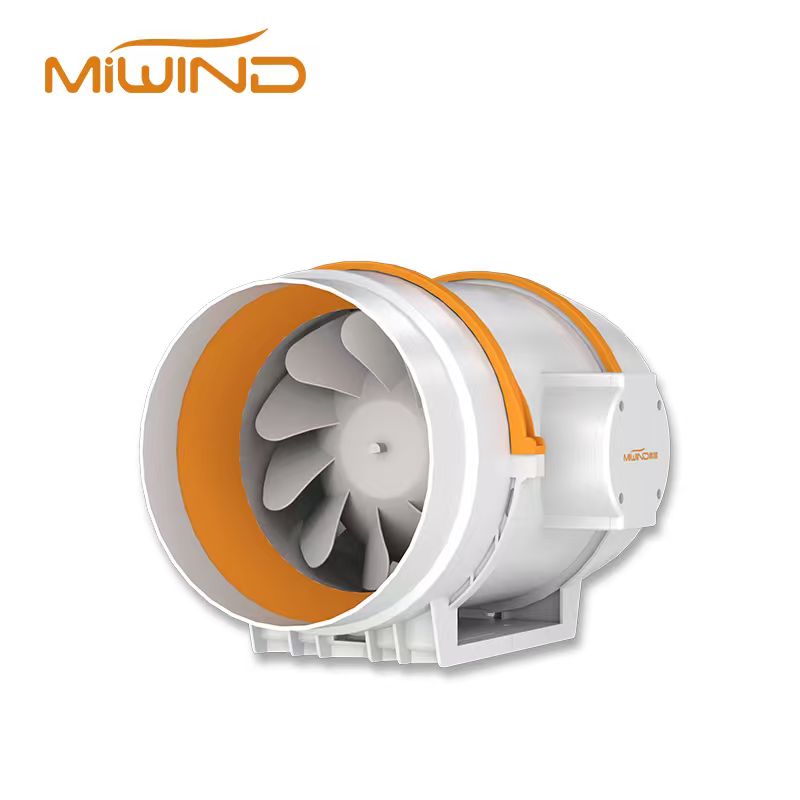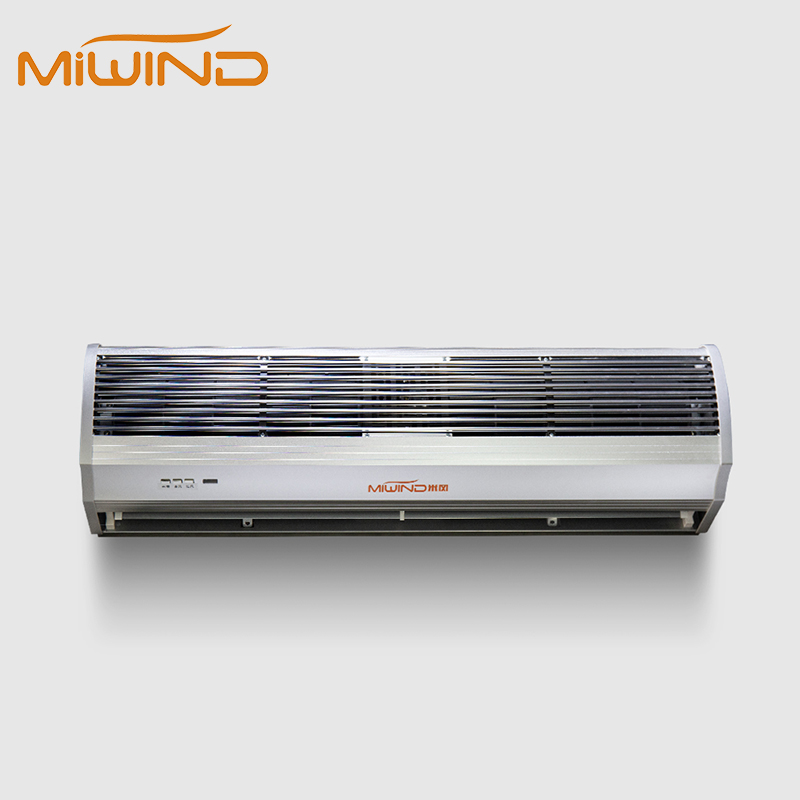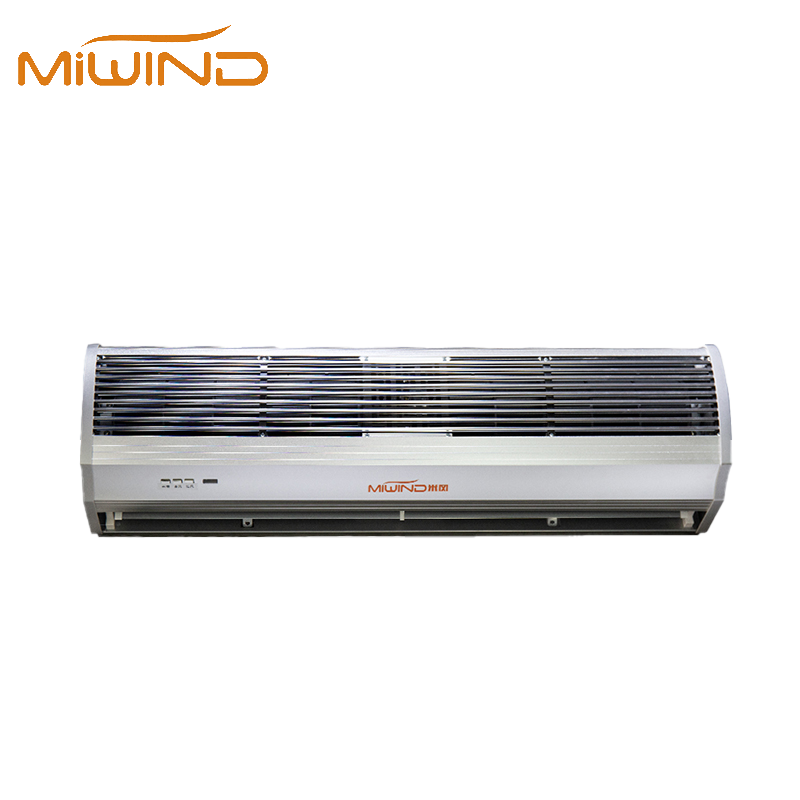
Warehouse dock door insect control is difficult because receiving doors are working openings. Trucks arrive, forklifts move pallets, staff cross the threshold, and the door may stay open during unloading. Food, beverage, packaging, and cold-chain sites need to reduce flying-insect entry without turning the dock into a bottleneck.
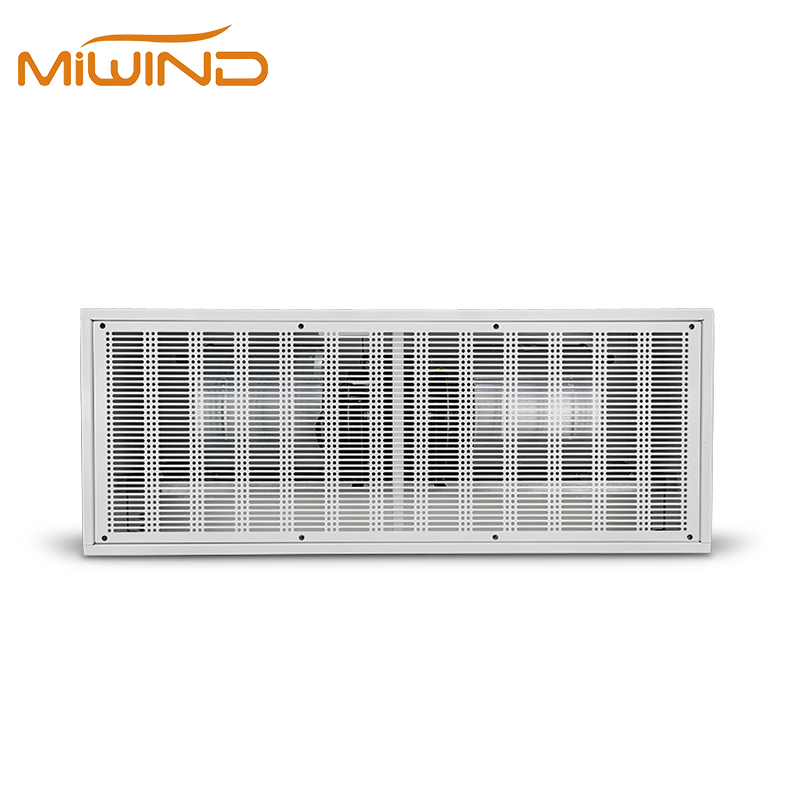
An industrial air curtain can be considered as a non-contact airflow barrier at dock and receiving doors where traffic must keep moving. It should be reviewed together with door seals, sweeps, gap repair, sanitation, lighting, waste control, pest monitoring, and pressure balance. This article uses food-code and NSF/ANSI 37 references as industry context only. It does not claim MIWIND certification or regulatory approval for a specific model.
For MIWIND, the best starting path is Industrial Series solutions, supported by the Air Curtain Series and the broader air curtain category.
Why Receiving Doors Attract Flying Insects
Receiving doors often combine several insect-attracting conditions. Doors remain open during truck unloading, while exterior lights, warm air, odors, moisture, or nearby waste areas add attractant pressure. Gaps around seals, sweeps, dock plates, or wall penetrations create entry paths that a closed door alone cannot address, and dock traffic often prevents a physical barrier from staying shut. Negative pressure can pull outdoor air — and insects with it — through the opening, especially when food, packaging, or cold-chain products are staged close to the dock.
The problem is not only the door size. It is the whole receiving workflow. A door that opens for two minutes every hour is different from a door held open through a peak shipping window. A food-storage facility beside standing water, waste, or bright exterior lighting has a different risk profile from a clean, enclosed receiving vestibule.
FDA's Food Code 2022 page frames the Food Code as a model for retail and food-service public-health controls. The linked Food Code 2022 PDF includes facility and outer-opening concepts that are relevant to pest-exclusion planning. Use the Food Code as a regulatory context reference, not as a product approval claim.
Where Air Curtains Fit in an Insect-Control Plan
An air curtain creates airflow across an opening. For a warehouse dock, the advantage is that forklifts and pallets do not need to push through hanging material. The opening can remain usable while the airflow helps reduce flying-insect entry and outdoor air movement.
An air curtain is worth reviewing at doors that stay active through receiving hours and cannot be closed on a fixed schedule. It also becomes relevant when PVC strip curtains block visibility, slow cleaning, or get damaged by repeated forklift contact, and when the site needs a non-contact barrier at a high-traffic threshold rather than a swinging or rolling physical barrier. If flying insects are observed crossing the open door plane itself — rather than only appearing near cracks or gaps — an air curtain addresses that specific entry point. In every case, the air curtain review should sit alongside sealing, sanitation, lighting, and pest-monitoring plans rather than replace them.
Air curtains are widely discussed across the ventilation industry as one doorway layer for insect and environmental separation at food, beverage, and industrial receiving points. MIWIND's role in this context is to help buyers match airflow specification to the actual door dimensions, traffic pattern, and pressure conditions on site, rather than to make broad category claims.
Food Code and NSF/ANSI 37 as Context
Food and beverage buyers often ask whether an air curtain "meets code." That question is too broad. Codes and inspections depend on jurisdiction, exact facility type, product listing, installation, maintenance, and the full pest-control program.
The safer way to use standards in MIWIND content is:
| Reference | Appropriate use in this article | Boundary |
|---|---|---|
| FDA Food Code 2022 | Context for food-facility pest-exclusion and public-health thinking. | Not presented as MIWIND product approval. |
| NSF/ANSI 37 | Context that air curtains can be evaluated as a food-entryway equipment category. | No claim of listing without verified current documentation. |
| NSF official listings | Shows that certification status must be checked against exact companies and products. | No listing is assumed to transfer between manufacturers. |
| Local inspector requirements | Buyer-specific acceptance and documentation needs. | No jurisdiction-wide acceptance is promised. |
The NSF official listing page for NSF/ANSI 37 context is useful because it demonstrates that listing status is company- and product-specific. That is why MIWIND articles ask buyers for required documentation instead of making unverified certification statements.
What Air Curtains Cannot Replace
An air curtain should not be positioned as the whole pest-control program. It is one layer at the open doorway.
At the door itself, it cannot substitute for seals and sweeps that close gaps below or around the frame, or for repair of cracks, holes, dock-plate gaps, and wall penetrations that give insects a separate entry route. Beyond the doorway, it has no effect on waste management, cleaning procedures, pest-monitoring records, or service routines — nor on exterior lighting review and attractant control, which often drive insect pressure more than the door opening itself. Where site policy requires screens, vestibules, or specific door types, or where pressure-balance review is needed because air is being pulled inward, those items remain separate corrective actions. Local code review and inspector approval also sit outside what any air curtain can deliver on its own.
This distinction matters for inquiries. If flying insects enter because the receiving door is held open, an air curtain may be worth reviewing. If insects enter through damaged seals, wall gaps, or unscreened windows, the first action may be repair. If insects are drawn toward waste, standing water, or lights, sanitation and site management are part of the solution.
Dock Door Checklist for Food and Cold-Chain Sites
Before asking MIWIND for a recommendation, collect both doorway data and pest-control context.
| RFQ field | What to send |
|---|---|
| Facility type | Food storage, beverage, packaging, cold-chain, grocery distribution, or general warehouse. |
| Door dimensions | Clear width, clear height, mounting height, and side/header clearance. |
| Receiving workflow | Truck unloading duration, peak hours, forklift frequency, pallet staging, and door open time. |
| Existing barrier | Strip curtains, screens, fast doors, seals, sweeps, or damaged hardware. |
| Insect symptom | Flying insects at the door, inside staging area, near lights, near waste, or near drains. |
| Pressure symptoms | Air rushing inward, nearby exhaust fans, roof fans, open opposite doors, or makeup-air shortages. |
| Sanitation context | Waste location, standing water, cleaning schedule, pest-monitoring constraints. |
| Temperature zone | Ambient warehouse, cooler, freezer, ante-room, or refrigerated truck loading. |
| Documentation | Buyer-required submittals, inspector questions, food-safety documents, and local requirements. |
| Visual evidence | Photos and short video of the door open during real receiving activity. |
If the same site also has fog, frost, condensation, or ice symptoms, connect the review to Cold Storage Door Air Curtains. If the current issue is strip damage and traffic visibility, review Air Curtains vs Strip Curtains for Warehouses.
MIWIND Solution Path
The MIWIND route should move from application to product, then to inquiry:
- Use Solutions or Industrial Series solutions to frame the warehouse receiving-door problem.
- Use the Air Curtain Series to review product families for active openings.
- Use the air curtain category for broader air-curtain education.
- Use Contact Us or the inquiry modal to submit a door package and documentation needs.
The MIWIND Warehouse Industrial Door Project can be used as an industrial-door airflow reference. It should not be described as a food plant, pest-control validation, or cold-chain compliance case.

Practical Design Questions Before Purchase
A good receiving-door review should answer questions that product catalogs often skip. Does the dock door open to the exterior or into an enclosed dock, and are trucks backed tight against seals or is the door open without a trailer present? Are insects entering at the door plane itself, or through gaps that a curtain would never address? Is forklift movement continuous during receiving, and are staff bypassing strip curtains or leaving doors open past the working window? Is there negative pressure from exhaust or process ventilation pulling outdoor air inward? Does the buyer need sanitation or food-safety documentation for internal approval, and are there local inspector comments still open?
These details help prevent overbuying, under-specifying, and confusing an air curtain with a full pest-control program.
FAQ
Can an air curtain help control flying insects at warehouse dock doors?
Yes — for example, at a beverage distribution dock where forklifts move pallets continuously for two hours during morning receiving, an air curtain can reduce flying-insect entry through the active opening while the door stays usable. Door size, pressure, wind, and workflow still determine the actual result.
Does using an air curtain satisfy FDA or NSF requirements by itself?
No. FDA Food Code and NSF/ANSI 37 references provide industry context, but compliance depends on the specific facility, jurisdiction, listed equipment, installation, maintenance, and the inspector's own requirements — none of which an air curtain alone can guarantee.
Do seals and sanitation still matter?
Yes. If a cold-storage facility has intact seals but a nearby waste bin attracting flies, replacing the seals will not help — sanitation and attractant control need attention first. An air curtain addresses the active opening; it does not repair gaps or manage attractants.
What should food-storage warehouses send before asking for a recommendation?
Send door dimensions, receiving workflow, forklift traffic, door open time, insect symptoms, existing seals and strips, pressure symptoms, sanitation constraints, temperature zone, required documents, and photos or video of the door during real receiving activity.
Next Step
Request an insect-control airflow recommendation through Contact Us. Include door dimensions, receiving traffic, insect symptoms, seals and sweeps, sanitation context, pressure symptoms, and any buyer documentation requirements so MIWIND can review the correct industrial airflow path.