Air Curtains for Grocery Curbside Pickup and Side Service Doors
Review air curtains for grocery pickup doors using peak door cycles, hold-open time, vehicle exposure, mounting space, pressure symptoms and controls.
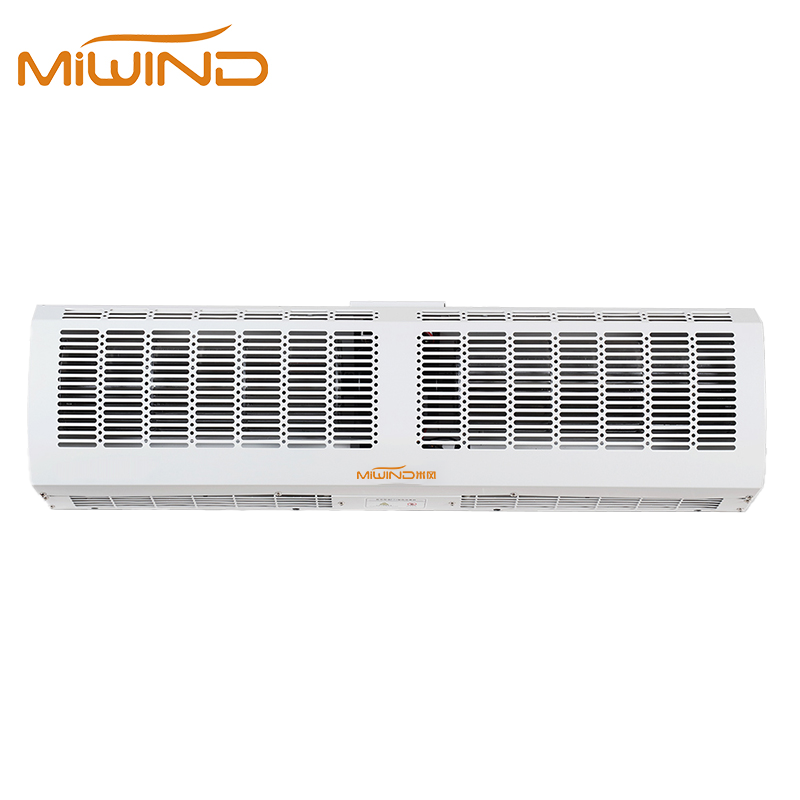
A curbside pickup air curtain review should start with the side-door workflow: how often the door opens, whether staff hold it open for handoffs, where vehicles idle, and whether insects, dust, fumes, or pressure symptoms appear near the opening. It is not the same project as a front grocery entrance or a receiving dock.
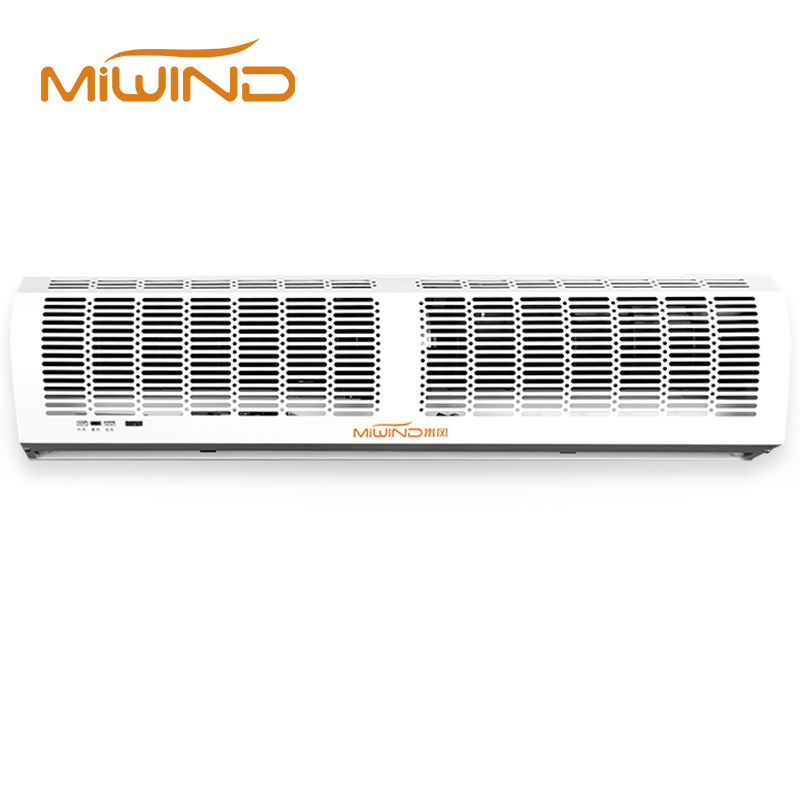
This guide is for grocery facility managers, store operators, HVAC contractors, retail operations teams, and distributors preparing a quote request for pickup, delivery, or side service doors. MIWIND can review these openings through grocery pickup airflow solutions, retail and commercial building solutions, air curtain products, and the Air Curtain Series.
For a quotation, confirm whether the selected MIWIND model supports the doorway size, mounting height, noise expectation, control method, voltage, and documentation needs of the pickup area. Do not treat a curbside pickup door as a special SKU by name alone; the review should be based on the actual opening and operating pattern.
Why Curbside Side Doors Need Separate Review
Curbside pickup changed many grocery back-of-house and side-door workflows. A door that once opened a few times per shift may now support online order handoff, third-party delivery pickup, staff movement, and occasional customer-facing service. The opening may be narrow, awkwardly framed, or near a parking lane rather than designed as a public entrance.
The reason for a separate review is simple: pickup doors combine customer service, staff movement, exterior exposure, and short repeated openings. A model chosen for a main entrance may be too visible, too loud, or physically difficult to install at a side door; a model chosen for a receiving door may be unnecessarily heavy for a small handoff opening.
For the main customer entrance, use grocery store entrance air curtain selection. For pallets, trucks, and receiving docks, use supermarket loading dock air curtains. Pickup and side-service doors sit between those two: smaller than a dock, but active enough to deserve their own workflow review.
Start With the Door Workflow, Not a Model
The first question is not which model looks similar in a catalog. It is what the door now does during the day.
Document the side-door use case:
- Grocery curbside pickup handoff.
- Delivery-app or third-party courier pickup.
- Staff-only service entrance.
- Customer-service side counter.
- Pickup room connected to the sales floor.
- Door near a receiving area, cooler corridor, or parking lane.
Narrow openings and short cycles
Many pickup doors are smaller than the main store entrance, but they may cycle frequently. A short opening can still matter when repeated hundreds of times. Staff may open the door, speak to a driver, scan a receipt, pass bags, and return inside. If the door is held open during each exchange, the real open time may be longer than the buyer expects.
The same basic air-barrier principle applies to service doors, but MIWIND selection still needs the actual width, height, mounting area, traffic pattern, and problem symptoms. A short workflow log gives the quotation more value than a model request with no site context.
Use a simple workflow log before requesting a quote:
| Workflow field | What to record |
|---|---|
| Door role | Pickup, courier, employee, side service, or mixed use. |
| Door size | Clear width, clear height, frame depth, and available header space. |
| Open frequency | Openings per hour during peak pickup periods. |
| Hold-open time | Whether staff keep the door open while checking orders. |
| Staff route | Walking path, carts, order shelves, freezers, and handoff counter location. |
| Nearby zones | Sales floor, cooler, prep room, receiving dock, exterior parking, or trash route. |
Fumes, Insects, Dust, and Comfort Expectations
Pickup doors often face a different exterior than a storefront. They may open to a parking lane, alley, curbside stall, delivery waiting area, or service yard. Outdoor air, vehicle odor, dust, and insects can enter during frequent use.
Set expectations carefully. An air curtain may help reduce outdoor air movement through the active opening. It should not be described as eliminating vehicle fumes, replacing ventilation, proving pest control, or guaranteeing food-stock protection.
Review these layers together:
| Concern | Doorway air-curtain role | Still needed |
|---|---|---|
| Flying insects | May reduce entry through the active opening. | Sanitation, door seals, lighting review, pest monitoring. |
| Vehicle fumes | May reduce inward movement at the doorway. | Idling policy, ventilation, safety review, exterior layout. |
| Dust and outdoor odor | May support separation at the opening. | Cleaning, exterior source control, pressure review. |
| Staff comfort | May reduce drafts at a busy door. | HVAC balance, layout, controls, noise expectations. |
HVAC, Exhaust, and Pressure Symptoms
A side pickup door can become the path of least resistance when the building is under negative pressure. Grocery prepared-food exhaust, toilet exhaust, bakery exhaust, receiving doors, or open entrances can pull air toward the pickup room. If staff feel a strong inward draft when exhaust equipment runs, a larger air curtain is not automatically the answer.
Look for symptoms:
- The side door is hard to open or slams shut.
- Air rushes inward when the door opens.
- Odors move from outside into the pickup room.
- The air curtain stream appears bent or weak.
- The problem is worse when kitchen or deli exhaust is running.
- Insects enter most often during exhaust-heavy periods.
If pressure symptoms are clear, the inquiry should include HVAC and exhaust notes. Use technical resources and downloads after the site package is ready, and ask for the doorway review alongside the broader airflow context.
Controls and RFQ Data to Collect
Controls matter because pickup doors open in short, repeated bursts. A door switch, delay timer, manual control, scheduled operation, or continuous run review may be discussed, but no control package should be assumed before product and installer review.
Send a pickup-door review request through Contact Us with these details:
| RFQ field | Recommended detail |
|---|---|
| Photos/video | Interior, exterior, header, side clearance, door in use, and peak pickup period. |
| Door dimensions | Width, height, mounting area, ceiling depth, frame, and obstructions. |
| Workflow | Pickup volume, door cycles, hold-open time, staff route, and cart movement. |
| Exterior exposure | Parking lane, idling vehicles, alley, wind, rain, dust, trash area, or lighting. |
| Symptoms | Insects, fumes, odors, dust, drafts, temperature complaints, or pressure signs. |
| Adjacent zones | Sales floor, cooler, pickup shelves, receiving, customer entrance, or prep area. |
| Controls | Door switch, timer, manual control, continuous run review, or unknown. |
| Power/documents | Voltage if known, installer notes, catalog needs, and approval documents. |
Recommended MIWIND Routes
Start with the application, then move toward product review:
- Use Solutions to frame the grocery pickup workflow.
- Use retail and commercial building solutions for grocery and store-context review.
- Use air curtain products to understand the doorway airflow category.
- Use the MIWIND Air Curtain Series when opening data is ready.
- Use MIWIND downloads, the air curtain catalog, and technical resources when buyers need documents.
- Use Contact Us when photos, measurements, workflow data, and symptoms are ready.

FAQ
Is a curbside pickup air curtain the same as a grocery entrance unit?
No. Pickup doors often have shorter cycles, staff handoffs, vehicle exposure, and smaller mounting areas. The main entrance guide is useful background, but the side-door workflow needs its own review.
Can an air curtain stop vehicle fumes at a pickup door?
It should not be treated as a fume-control system. It may help reduce movement through the active opening, but vehicle idling, ventilation, safety review, and exterior source control still matter.
What door data is needed before a quote?
Send door width, height, mounting photos, peak pickup frequency, hold-open time, staff route, exterior exposure, insect or fume symptoms, controls preference, power, and document needs.
What if the pickup door is near receiving or coolers?
Map the adjacent zones carefully. If the main issue is pallets and trucks, use the supermarket receiving-door guide. If it is an internal cooler door, use the cooler-door comparison article.
Next Step
Use Contact Us to request a pickup or side-service door review. Include photos, dimensions, workflow, vehicle exposure, insects, dust, pressure symptoms, nearby zones, controls, power, and required documents so MIWIND can review the right route without guessing.