Multi-Door Air Curtain Packages for Retail Chains
Standardize retail air-curtain procurement while reviewing each door by dimensions, traffic, climate, controls and document needs.
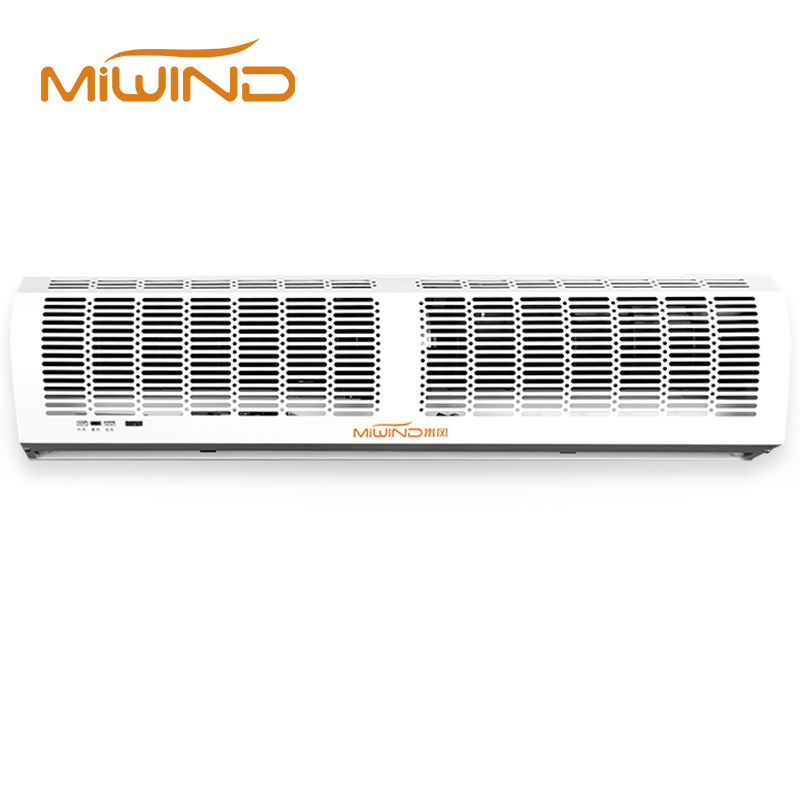
A retail chain air curtain package should make procurement easier without pretending that every door is the same. Main entrances, side entrances, employee doors, receiving areas, and grocery-adjacent openings all move people and air differently. A strong package standardizes the buying workflow while still checking each opening.
This guide is written for retail facility teams, procurement managers, distributors, contractors, and project buyers who need repeatable air curtain decisions across multiple stores. It is not a generic retail air curtain benefits article. The focus is chain standardization, door-by-door data, rollout documents, and a clearer RFQ path into MIWIND.
Why Retail Chains Need a Door-by-Door Package
Retail chains usually want fewer product decisions, cleaner documentation, and faster rollout. That is reasonable. A purchasing team does not want each store manager to invent a different air curtain request. A distributor does not want to rebuild a quote from scratch for every store.
The risk is over-standardization. A single model, one control sequence, and one installation note may be easy to quote, but the package can fail when door roles change. A quiet customer entrance is not the same as a windy side door. A receiving area is not the same as an automatic sliding storefront. A grocery entrance may have carts, high traffic, refrigeration zones, insects, and customer comfort concerns in the same opening.
Berner's grocery-store and convenience-store application pages separate air curtain use by real retail zones such as entrances, service doors, receiving areas, drive-through or pick-up points, and cooler-related applications. Mars Air's commercial application material takes a similar application-led approach. The useful lesson is not that MIWIND copies those products. The lesson is that chain buyers should map doors by role before selecting models.
A package should answer two questions:
- What can the chain standardize across stores?
- What must remain door-specific before MIWIND recommends a product family?
The Main Opening Types in a Retail Package
Most multi-store RFQs can start with four opening groups.
| Opening type | Typical goal | Review emphasis |
|---|---|---|
| Main customer entrance | Comfort, outdoor air separation, appearance, noise control. | Door width, mounting height, automatic door behavior, customer experience. |
| Side or service door | Insect control, staff comfort, pressure control, frequent short cycles. | Door switch, traffic, wind exposure, adjacent exhaust, durability. |
| Receiving or loading entrance | Air exchange control during deliveries and cart movement. | Opening size, held-open time, wind, pressure, product robustness. |
| Cooler or grocery-adjacent opening | Moisture, fog, temperature transfer, staff workflow. | Temperature difference, humidity, door discipline, safety, dehumidification needs. |
Not every chain has all four. A fashion retailer may care mostly about main entrances and service doors. A convenience chain may add staff doors, delivery doors, and cooler-adjacent transitions. A supermarket chain may need separate treatment for customer entrances, back-of-house receiving, walk-in cooler zones, and pick-up workflows.
This is why MIWIND's Air Curtain Series is a better planning entry than a single product page when the buyer is still building the package. The series route lets the buyer compare commercial entrance, crossflow, centrifugal, heated, and industrial directions before narrowing the opening schedule.
What Can Be Standardized Across Stores
A chain package should standardize the parts of the buying process that benefit from consistency.
Product Families
The package can define approved product families for common door roles. For example, a customer-facing entrance may begin with a commercial crossflow review, while a higher receiving door may require centrifugal or industrial review. Cold-climate stores may need a heated air curtain discussion.
Use the broad air-curtain overview and the product series to compare available product paths. Do not assign one model to every opening: confirm each door against its dimensions, mounting, traffic, climate, controls, and current product documents.
Controls
Controls are a good standardization area. A chain may prefer a door switch for normal entrances, a timer delay for frequent short cycles, variable speed for comfort adjustment, or continuous operation for high-traffic periods. Store operations become easier when staff see similar controls across locations.
Use Door Switch, Timer, BMS, or Continuous Run when the package includes multiple door behaviors. A package can recommend a default control logic, but it should still allow exceptions for automatic doors, windy doors, receiving doors, and code-driven documentation needs.
Documents and Spare Parts
Retail rollout work needs files, not only products. Buyers may need catalogs, data sheets, installation references, certificates, wiring notes, product images, packaging details, and after-sales communication. MIWIND's downloads, technical resources, and partners paths support this procurement layer.
The package can also standardize spare-parts planning. A distributor might request common motor, control, switch, or mounting references for the product families included in a rollout. Those details should be confirmed in the quotation and document pack, not invented in the article.
What Must Still Be Reviewed Per Opening
Even with a standard package, every opening needs its own line item.
Width, Height, and Mounting Position
Air curtain selection starts with the physical opening. The unit should cover the intended width and be reviewed for the available mounting height. Header space, ceiling recess, signboards, decorative panels, and automatic door hardware can all affect the final recommendation.
If the buyer has not built a schedule yet, use How to Measure a Commercial Entrance for an Air Curtain Quote. A simple width-by-height list is better than a vague request for "air curtains for 40 stores."
Traffic Pattern
Door traffic changes the control and product discussion. A main entrance with constant shoppers may behave differently from a side staff door that opens briefly. A receiving entrance may stay open during deliveries. A grocery or convenience site may have peak traffic, cart traffic, pick-up traffic, and service staff moving at the same time.
Automatic sliding doors deserve their own notes. If that is the main issue, read Air Curtains for Automatic Sliding Doors before finalizing the package.
Climate, Wind, and Pressure
Regional climate matters. The same prototype store can behave differently in a mild inland city, a cold northern location, a humid coastal region, or a windy corner lot. Wind exposure and building pressure can also change air curtain performance at the threshold.
For difficult exposed stores, link the package review to Wind-Exposed Entrances. For stores where air rushes inward or doors fight pressure, use Air Curtains in Negative-Pressure Buildings.
Noise and Customer Experience
Customer-facing doors need special attention to sound and appearance. A unit that is acceptable above a receiving door may be wrong for a boutique entrance, pharmacy, hotel lobby, or quiet retail environment. The package should identify noise-sensitive openings early.
For general product selection, see how to choose the right air curtain and compare its guidance with the requirements for each store opening.
Door Matrix for Chain Buyers
The easiest way to avoid confusion is to turn the RFQ into a door matrix. Powered Aire's selector is a useful external example because it asks for field inputs such as door type, door size, mounting height, installation conditions, and heating needs. MIWIND buyers can use a similar logic without copying a competitor's product limits.
| Store ID | Opening role | Width x height | Mounting height | Door type | Traffic | Climate note | Control need | Document need |
|---|---|---|---|---|---|---|---|---|
| Prototype A | Main entrance | To measure | To measure | Automatic sliding | High | Humid summer | Door switch or continuous review | Catalog, data sheet |
| Prototype A | Service door | To measure | To measure | Swing door | Medium | Insects, exhaust nearby | Door switch | Installation reference |
| Prototype B | Receiving door | To measure | To measure | Roll-up or sectional | High during deliveries | Wind and pressure | Timer or continuous review | Drawings, voltage |
| Prototype C | Cooler-adjacent door | To measure | To measure | Swing or sliding | Staff traffic | Moisture risk | Separate review | Humidity-control note |
This table is not a replacement for engineering review. It is a communication tool. It tells MIWIND which doors can share a product family and which ones need exceptions.

MIWIND Package Workflow
A practical chain package can move through five steps.
1. Pilot Store Review
Choose one or two representative stores before building a full rollout quote. Include an easy store and a difficult store if possible. The difficult store might have a taller entrance, more wind, higher traffic, stronger noise sensitivity, or a receiving area with long open periods.
2. Opening Schedule
Build an opening schedule with measurements, photos, door roles, traffic notes, climate zones, and control preferences. If there are several prototype store layouts, group the openings by prototype. Do not hide exceptions. Exceptions are what prevent a clean package from becoming an expensive mismatch.
3. Product Family Comparison
Use MIWIND's air curtain products and Air Curtain Series routes to compare commercial entrance, crossflow, centrifugal, heated, and industrial options. The article can mention those product families naturally, but it should not claim that a specific model family covers every opening.
4. Quote and Document Pack
A chain buyer often needs more than pricing. Ask for the current catalog, available product images, installation references, certificate references, wiring or control notes, packaging expectations, and export documentation. Berner's specs and docs library is a good market signal that professional air curtain buyers expect organized files. MIWIND's downloads and technical resources paths should carry that same inquiry logic.
5. Partner and Distributor Support
If the buyer is a distributor, agent, importer, or contractor, connect the package to MIWIND Partners. Partner work may include product images, market support, document requests, quotation packs, sample discussion, and phased rollout communication. Confirm territory rights, order quantities, delivery timing, and pricing directly for each project.
Compliance and Rating Checks
Multi-door packages may involve AMCA ratings, local codes, energy rules, vestibule exceptions, food-service requirements, or project-specific documentation. AMCA's certified air curtain products page is a useful starting point for understanding how certified air curtain ratings are organized. It is not a substitute for confirming the exact MIWIND model data and applicable project documents.
The right package language is: "Tell us which documents your project requires." The wrong language is: "This standard package automatically clears every local requirement." Chain buyers often operate across cities, states, regions, or countries. Local requirements can change the document checklist.
RFQ Data to Send MIWIND
Use Contact Us or the inquiry modal to plan a multi-door package. Include:
| RFQ field | Recommended detail |
|---|---|
| Buyer profile | Chain owner, distributor, importer, contractor, project buyer. |
| Rollout scope | Countries, regions, store count, pilot stores, rollout timeline. |
| Door schedule | Main entrances, side doors, service doors, receiving areas, special openings. |
| Measurements | Width, height, mounting height, header space, ceiling constraints. |
| Door behavior | Automatic, swing, sliding, roll-up, held-open periods, traffic level. |
| Climate | Hot, cold, humid, coastal, windy, or mixed region grouping. |
| Controls | Door switch, timer, speed control, BMS, continuous run, unknown. |
| Electrical | Voltage, frequency, plug or wiring expectations. |
| Documents | Catalog, data sheet, installation reference, certificates, images, packaging. |
| Commercial planning | Quantity by store, quantity by size, sample needs, delivery phasing. |
The most useful first submission is a spreadsheet plus photos. A spreadsheet gives procurement structure. Photos reveal constraints such as signboards, canopies, narrow headers, recessed ceilings, and traffic paths.
FAQ
Can one air curtain model work for every door in a retail chain?
Usually no. A chain can standardize product families, controls, documents, and procurement workflow, but each opening still needs width, height, mounting, traffic, climate, and pressure review.
What information should procurement collect before requesting a package quote?
Collect a door schedule with store count, opening roles, dimensions, mounting height, door type, traffic, climate zone, controls, voltage, and document needs. Photos and drawings make the quote faster and clearer.
How should main entrance air curtains differ from service door units?
Main entrances usually put more weight on appearance, noise, customer comfort, and automatic door behavior. Service doors may put more weight on insect control, staff traffic, door switches, durability, and pressure symptoms.
What documents should be included in a retail rollout package?
Ask for the current catalog, data sheets, installation references, certificate references, control notes, product images, packaging requirements, and any project-specific submittal files. Confirm availability before promising them to local teams.
Should chain buyers standardize controls across stores?
Controls are a good standardization target, but exceptions should remain possible. A door switch may suit many entrances, while high-traffic or windy doors may need timer, speed, or continuous-operation review.
When should grocery, cooler, or receiving doors be reviewed separately?
Review them separately when temperature difference, humidity, fog, frost, insects, exhaust, wind, or long open periods affect the opening. These doors can have different goals from the customer entrance.
Next Step
To plan a multi-door package, send MIWIND a store list or opening schedule through Contact Us. Include dimensions, door roles, climate zones, controls, documentation needs, and rollout quantities so MIWIND can compare package options without forcing a single model onto mismatched doors.