Mixed-Flow vs. Centrifugal Inline Fans: Selection Guide
Compare fan formats using the duty point, duct resistance, available space, sound expectations and model documentation.
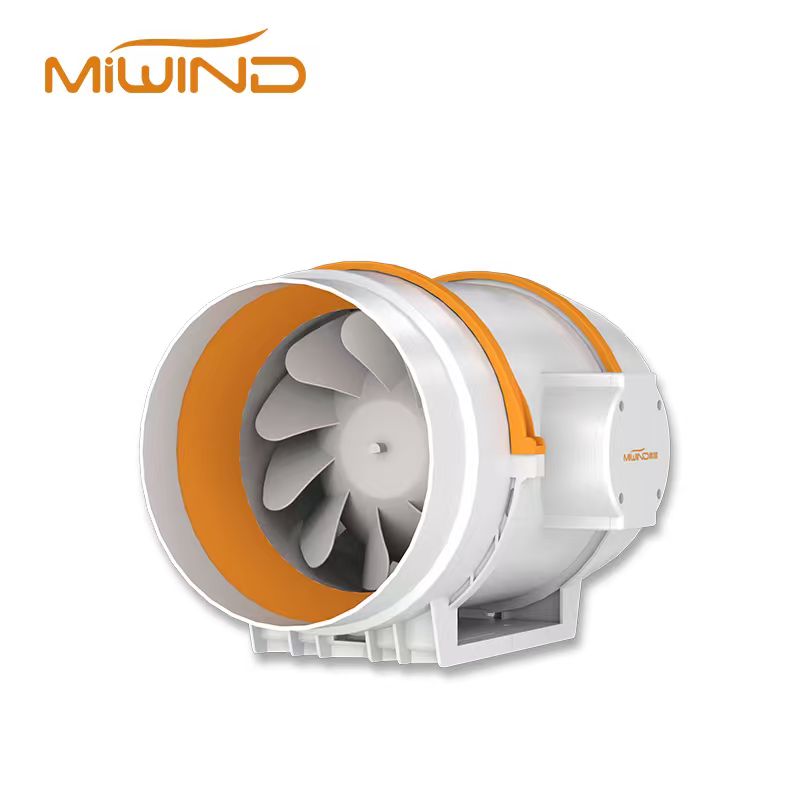
The comparison of mixed flow inline fan vs centrifugal fan formats should start with duct resistance, not a blanket claim that one wheel type is always better. Inline fresh-air runs, cabinet ventilation, compact duct layouts, equipment-room exhaust, filters, grilles, and long duct paths all change the decision.
This guide is for engineering buyers, distributors, contractors, OEM teams, and project owners comparing inline fan formats for ducted airflow projects. MIWIND can review the MIWIND Duct Fan Series, fresh air system duct runs, exhaust fan applications with higher duct resistance, technical resources, downloads, and project selection support through Contact Us.
Use this article as a format-comparison guide. Final selection should be confirmed with model-level fan curves, product datasheets, sound data, efficiency information, certification files if required, controls details, contractors, or project engineers. MIWIND can help review the product path after the buyer shares the duct route and target duty point.
Comparison Scope: Inline Fans and Duct Resistance
Keep the comparison narrow: inline fan format and duct resistance. The buyer's practical question is:
For this duct run, should the project consider a mixed-flow inline fan path, a centrifugal inline fan path, or a different exhaust/fresh-air approach?
The answer depends on airflow target, estimated pressure, duct route, sound expectations, installation space, service access, and whether the project is supply, exhaust, or mixed ventilation.
For static pressure background, see inline duct fan static pressure. For curve reading, see inline fan curve CFM.
Mixed-Flow Inline Fans for Moderate Resistance
A mixed-flow fan combines axial and centrifugal airflow behavior. In inline duct applications, mixed-flow products are often discussed for compact duct runs, fresh-air paths, general ventilation, and applications where the buyer wants useful pressure capability without a bulky fan arrangement.
Mixed-flow designs are often considered when the project needs an inline fan format with useful pressure capability, compact installation, and reasonable duct-system flexibility. The buyer should still compare the actual duty point instead of assuming the fan type alone decides efficiency, sound, or pressure performance.
Fresh-Air Runs and Space-Limited Ducts
MIWIND's local Duct Fan Series and Fresh Air System routes support discussion of inline fans, mixed-flow fans, heat-recovery ventilation products, compact duct runs, cabinet ventilation, and HVAC airflow projects. That makes mixed-flow a natural topic when the project involves:
- Fresh-air or HRV support.
- Compact ceiling or cabinet duct paths.
- Moderate duct resistance.
- Filters, grilles, or bends that need review.
- Space-sensitive installation.
- General ventilation where final choice still depends on duty point.
Mixed-flow is not automatically quieter, more efficient, or suitable for high static pressure. Treat it as a candidate format, then confirm the quoted model against airflow, resistance, sound, and installation constraints.
Centrifugal Inline Fans for Higher Resistance
Some centrifugal inline models may be candidates for higher-resistance or more complex duct routes, but fan type alone does not establish capability. Compare the selected model's curve with the required airflow and estimated system resistance.
Centrifugal inline options should be reviewed by curve and application, not by category name. Ask for the model data that shows the fan can meet the required airflow at the estimated static pressure, with acceptable sound, access, and maintenance conditions.
Exhaust Applications
Use exhaust fan applications with higher duct resistance only when the comparison turns toward exhaust paths. Exhaust applications may have contaminants, heat, moisture, grease, odor, or make-up air concerns that exceed a simple inline fresh-air comparison.
High-resistance exhaust routes should be confirmed with:
- Target airflow.
- Estimated static pressure.
- Duct route and fittings.
- Contaminant type and temperature conditions.
- Service access and cleaning requirements.
- Product datasheet and contractor review.
Selection Comparison Table
Use this table to guide questions, not to declare a winner.
| Selection factor | Mixed-flow inline fan discussion | Centrifugal inline fan discussion |
|---|---|---|
| Typical focus | Compact inline duct runs, fresh-air paths, moderate resistance. | Higher resistance, complex routes, or more demanding exhaust review. |
| Duct resistance | Often reviewed when pressure is moderate and layout is compact. | Often reviewed when resistance is higher and curve matching is critical. |
| Space | Can fit many inline duct layouts, subject to product dimensions. | May need more space or different access depending on product format. |
| Sound | Must be checked by product data and installation context. | Must be checked by product data and installation context. |
| Maintenance | Access to fan, filters, duct and grilles still matters. | Access may be more important in dirty or exhaust-heavy systems. |
| Final decision | Confirm duty point and available documents. | Confirm duty point and available documents. |
For both formats, use MIWIND Duct Fan Series as the starting point, then confirm fan selection for duct resistance with actual project data.

Where MIWIND Mixed-Flow and Inline Duct Fans Fit
MIWIND can discuss inline and mixed-flow duct fan options for fresh-air, compact duct runs, cabinet ventilation, heat-recovery ventilation, and broader HVAC airflow projects. The fresh air system ventilation products route is useful when the project includes outdoor air, HRV, or balanced ventilation.
Fresh-Air and Compact Duct Runs
For fresh-air and compact duct projects, send:
- Target airflow.
- Estimated duct resistance.
- Duct length, size, bends, filters, and grilles.
- Fan location and service access.
- Noise-sensitive rooms.
- Available installation space.
When Exhaust Routes Need More Project Confirmation
For exhaust routes, add:
- Exhaust source and contaminant type.
- Temperature, moisture, odor, or grease notes.
- Make-up air or building pressure concerns.
- Cleaning and maintenance access.
- Discharge location.
- Contractor or project engineer requirements.
Use technical resources for duct resistance review, download MIWIND product documents, and Contact Us when the project is ready for review.
FAQ
Is a mixed-flow inline fan always better than a centrifugal inline fan?
No. Mixed-flow fans may fit many compact or moderate-resistance duct runs, but final selection depends on the duty point, duct resistance, sound expectations, access, and product documents.
When should a centrifugal inline fan be reviewed?
Review centrifugal inline options when the duct path has higher resistance, complex fittings, exhaust conditions, or project requirements that need curve-based matching.
Can this article provide exact MIWIND sound or pressure ratings?
No. Exact sound and pressure ratings should come from the available product documents for the quoted model before final selection.
What should I send to compare fan formats?
Send airflow target, estimated duct resistance, duct route, fittings, filters, grilles, fan location, application type, noise expectations, photos, and document needs.
Next Step
Use Contact Us to request project fan selection support. Send your airflow target, estimated duct resistance, installation layout, duct route, fresh-air or exhaust role, space constraints, noise expectations, and required technical documents.