Fan Rating Guide for Ducted Ventilation: AMCA, HVI, ENERGY STAR, CFM and Sound
Compare ducted fan ratings by airflow, static pressure, sound and input power, and distinguish AMCA, HVI and ENERGY STAR evidence from compliance files.
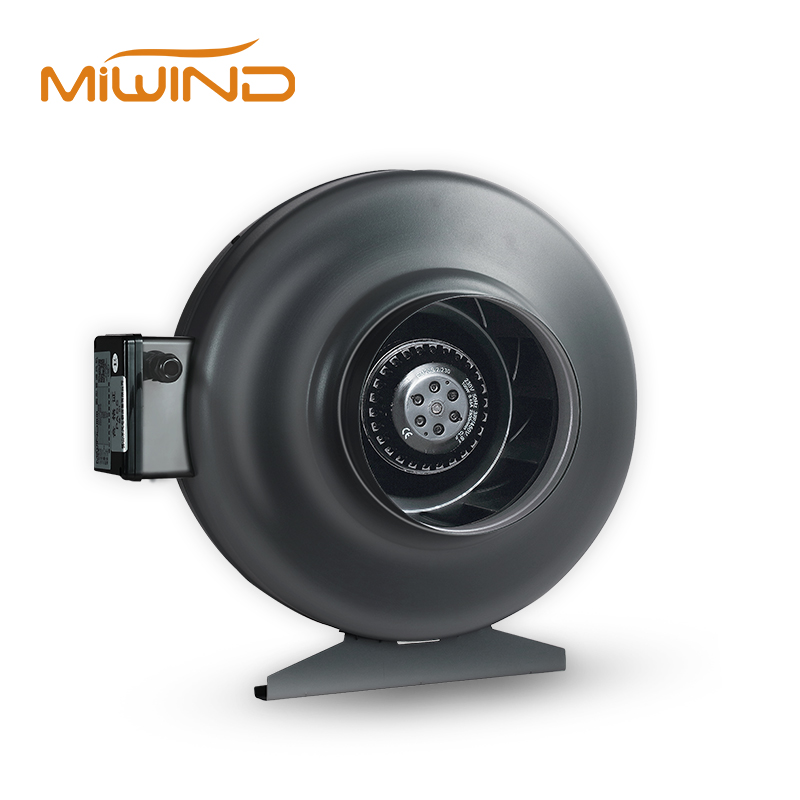
Ducted ventilation fan ratings matter when a buyer must compare suppliers, approve a submittal, or confirm that a fan has the right airflow and sound evidence for the project. A maximum airflow number is not enough. Procurement teams need to know the test point, static pressure, sound unit, certification body, and exact model evidence.
For a ducted-fan submittal, start with the proposed duct fan models, their technical documents and the project's required rating program. Ask MIWIND for the matching files through Contact Us.
This guide explains how buyers verify rating documents. Any AMCA, HVI, ENERGY STAR, UL, market-approval, certified CFM, certified sone, CFM/W, or test-pressure claim must come from current model-level documentation for the exact product being proposed.
Why Ratings Matter in Ducted Fan Procurement
Decision risk, document review, and model-level verification
Fan ratings reduce ambiguity. Without comparable ratings, one supplier may show free-air CFM, another may show airflow at a ducted static pressure, another may show a product-family claim, and another may provide a certificate that does not apply to air or sound performance.
That is risky in tenders, OEM sourcing, distributor listing, replacement projects, and engineering submittals. The purchasing file should answer three questions:
- Which exact model is being proposed?
- What airflow, pressure, sound, power, or efficacy value is being compared?
- Which document or public listing supports that value?
For product browsing, start with MIWIND ducted ventilation product families. For ratings literacy, keep third-party rating bodies separate from MIWIND local certificate files unless a model-level document proves a match.
CFM and Static Pressure Ratings
Compare the test point before comparing airflow numbers
CFM is only useful when the test condition is clear. A fan may show high free-air airflow but deliver less airflow after duct length, elbows, grilles, filters, dampers, or outlets add resistance. A stronger procurement request asks for airflow at the required static pressure or for a fan curve that lets the project team compare the operating point.
Greenheck's fan performance basics article is useful because it connects fan performance tables, fan curves, system resistance, and operating points. Use that concept to frame project questions; final airflow expectations require MIWIND product data and project review.
For more cluster background, review how to read an inline fan curve CFM and static pressure inline duct fan selection.
Sound Ratings: Sones, dB(A), and Installed Noise
Lab ratings vs field conditions
Sound data can be useful, but buyers must check what the number means. Some ventilation fan categories use sones; other fan documents may use dB(A), octave-band data, or application-specific acoustic information. Lab sound data also differs from field noise, where duct turbulence, mounting, grilles, outlets, and room finishes can change what users hear.
Review sound data together with duct turbulence, mounting, terminal devices and the acoustic conditions of the occupied space. Request the stated sound metric, test method, speed and measurement conditions before comparing models.
CE, CB, EMC, or LVD files should not be used as sound ratings. Those documents can be important, but they do not automatically prove airflow or acoustic performance ratings.
AMCA Ratings and Verification Paths
Certified ratings, publications, and directory checks
AMCA's certification section and AMCA publications section are useful starting points for buyers who see AMCA language in a specification. AMCA material should be treated as a verification route: identify the product type, standard, certified-rating program, directory or seal evidence, and exact model.
For a MIWIND buyer file, if AMCA certification or an AMCA-rated data sheet is required, ask for model-specific evidence and verify it against the relevant AMCA resource. Do not treat a supplier homepage, product-family brochure, or unrelated certificate as proof.
HVI Certification for Ventilation Fans
Airflow, sound, input power, and efficacy fields
The Home Ventilating Institute is common in residential and light-commercial ventilation fan discussions. The HVI Certified Ratings Programs overview and HVI Certified Ventilation Performance article show why buyers use certified data for airflow, sound, input power, and efficacy comparisons.
HVI references apply only when the product category and project requirement call for that listing path. When a buyer asks for an HVI certified ventilation fan, confirm whether the project requires a specific HVI listing, which model is being proposed, and which data fields must appear in the submittal.
ENERGY STAR Criteria for Ventilation Fans
CFM/W, sound limits, and installed-performance context
ENERGY STAR's ventilation fan page and key product criteria page are official references for buyers who see ENERGY STAR in a residential or light-commercial ventilation specification. ENERGY STAR criteria can include efficiency and sound-related requirements, but the buyer still needs the exact model, category, listing status, and current document.
Use ENERGY STAR language only when the proposed model and current listing support it. If the project requires ENERGY STAR, the supplier review should ask whether the proposed product is listed and what current document proves it.
MIWIND Document Checklist
Compare certificates, datasheets, and required market documents
MIWIND's certificate files can support export and product-document workflows for CE, CB, EMC, LVD, and related ventilation product-line files when available. That document family is useful for compliance support, distributor files, customs, and buyer review.

However, a CE attestation image for a circular duct fan is not AMCA, HVI, or ENERGY STAR evidence. It is also not an air-performance or sound-performance rating by itself. Keep those files in separate submittal sections.
Before approving a supplier or requesting documents from MIWIND, prepare:
- Product category: duct fan, exhaust fan, inline duct fan, or fresh-air system.
- Target market and project type.
- Required document type: AMCA, HVI, ENERGY STAR, CE, CB, EMC, LVD, declaration, datasheet, or quotation file.
- Required airflow and static-pressure test point if the specification states one.
- Sound-rating requirement and unit if stated.
- Procurement stage: comparison, sample, tender, OEM supply, distributor listing, or replacement.
- Company name, buyer role, country, quantity, and timeline.
Use technical resources for ventilation buyers to organize the document request. If EC motor or control language appears in the specification, review the EC motor inline duct fan variable speed guide so the control requirement stays separate from certification claims.
FAQ
Is CE the same as AMCA, HVI, or ENERGY STAR?
No. CE, CB, EMC, LVD, AMCA, HVI, and ENERGY STAR serve different document and verification purposes. Do not use one document type as proof of another.
Does free-air CFM equal installed airflow?
No. Installed airflow depends on the duct system, static pressure, fittings, accessories, and operating point. Ask for comparable test-point data or a fan curve when the project requires it.
Can this article confirm MIWIND certified ratings?
No. It explains how buyers should read and request fan rating documents. Current model-level documents must confirm any certification, listing, or rating claim.
Next Step
Use compare rating documents with MIWIND when the target product family, market, document requirement, airflow test point, sound requirement, procurement stage, quantity, and timeline are ready. A good rating-document review keeps performance data, certification status, and export compliance files in separate sections of the buyer file.