Balanced Fresh Air Ventilation vs Exhaust-Only Ventilation
Compare balanced supply-and-exhaust and exhaust-only ventilation by replacement-air paths, building pressure, humidity, ductwork, controls and maintenance.

Balanced fresh air ventilation and exhaust-only ventilation solve different project problems. Exhaust-only removes indoor air from a source or zone. A balanced fresh-air strategy plans both outdoor-air supply and exhaust so the building has a more intentional replacement-air path.
Compare the MIWIND fresh-air range, exhaust fans and duct fans against the proposed supply and exhaust paths. Send the airflow targets and project constraints through Contact Us.
Use this guide as a route-comparison brief before selecting equipment. ASHRAE or local-code compliance, IAQ goals, energy assumptions, humidity targets, comfort outcomes, HRV/ERV performance data, certified ventilation rates, and pressure balancing should be confirmed by the qualified project team and current product documents.
Quick Comparison: Balanced vs Exhaust-Only
| Topic | Exhaust-only ventilation | Balanced supply-and-exhaust strategy |
|---|---|---|
| Basic action | Removes indoor air from a space or source. | Plans outdoor-air supply and exhaust together. |
| Replacement air | Comes through available leakage paths, openings, or planned make-up routes. | More intentionally routed through a fresh-air path. |
| Typical discussion | Bathrooms, kitchens, workshops, odor, moisture, source exhaust. | Tight homes, villas, offices, IAQ planning, HRV/ERV or fresh-air distribution. |
| Pressure concern | Can depressurize a tight space if replacement air is not planned. | Aims to reduce pressure imbalance, but not to create perfect zero pressure. |
| Product route | Exhaust fans and ducted exhaust paths. | Fresh-air systems, heat-recovery products, ducts, and supporting fans. |
Building Science Info-611 is a useful background source for balanced ventilation system concepts. EPA's IAQ guidance is a useful boundary reminder: ventilation is one part of indoor air quality planning, not a universal guarantee.
When Exhaust-Only Ventilation May Be Enough
Exhaust-only ventilation can be appropriate when the project mainly needs to remove humid, stale, hot, or contaminated air from a source and the replacement-air path is acceptable for the building. Common examples include bathrooms, kitchens, workshops, storage rooms, utility rooms, and localized source exhaust.
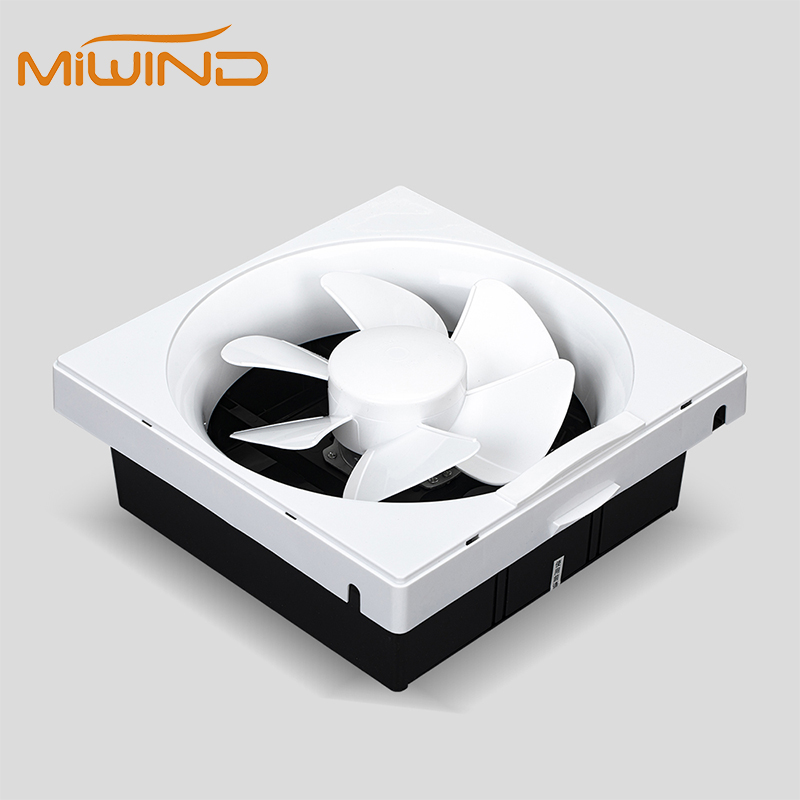
For MIWIND routing, use MIWIND exhaust fan route when the buyer is clearly focused on removing air from bathrooms, kitchens, workshops, public spaces, or ducted exhaust applications.
Whether exhaust-only ventilation is sufficient depends on building airtightness, replacement-air paths, moisture, source contaminants and the applicable ventilation requirements. Have the designer check those conditions before choosing the simpler system.
When a Balanced Fresh-Air Strategy Is Worth Evaluating
A balanced fresh-air strategy is worth evaluating when the project needs both planned outdoor air and planned exhaust. That often appears in tighter homes, villas, apartments, small offices, meeting rooms, renovations, or buildings where exhaust-only operation creates odor, humidity, comfort, or pressure concerns.
Building Science BSI-012 discusses why exhaust-only strategies can create pressure-related concerns in tight buildings. Treat that as engineering context and then compare it with the project's actual building tightness, source exhaust, and replacement-air path.
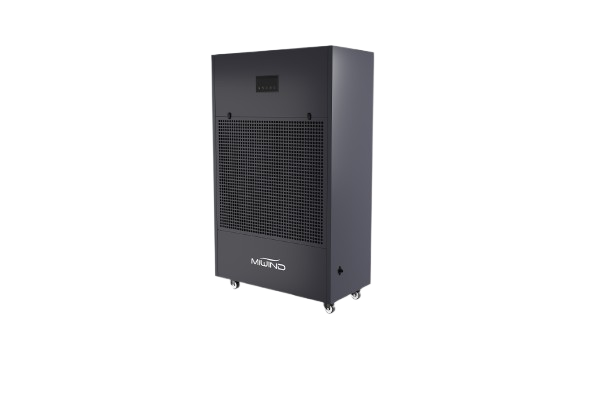
The MIWIND Fresh Air System route can support discussion of fresh air systems, inline duct fans, mixed-flow fans, and heat-recovery ventilation products for HVAC airflow projects. That is the natural product path when the buyer wants to compare fresh-air supply and exhaust together.
Pressure, IAQ, Humidity, and Ducting Tradeoffs
Balanced supply and exhaust still requires suitable ducts, filters, controls, service access and commissioning. Compare the added installation work with the need for a planned outdoor-air path, and include climate and humidity conditions in that decision.
Make-Up Air Path
Any exhaust fan removes air. The building must replace that air from somewhere. If the replacement path is uncontrolled, air may enter through cracks, doors, windows, adjacent rooms, shafts, or other leakage paths. In some projects that is acceptable; in tighter or more sensitive buildings it can create design concerns.
Supply and Exhaust Routing
Balanced systems require both supply and exhaust routing. That can add duct complexity, filter access, service access, and coordination with the HVAC system. If ducts are long or constrained, review sizing inline duct fans for long duct runs before treating the product type as the only decision.
Controls, Schedule, and Maintenance Access
The system has to run when needed, at the right airflow, without creating unnecessary noise or maintenance burden. Filters, heat-recovery cores, fan access, dampers, and controls should be reachable. A balanced system that cannot be maintained will not stay balanced in practice.

Project Inputs for MIWIND Route Selection
Before you ask MIWIND to compare ventilation routes, prepare:
- Project type: home, villa, apartment, office, retail, workshop, or OEM equipment.
- Current ventilation approach and problem to solve.
- Fresh-air goal, exhaust goal, or both.
- Airflow target if known.
- Duct length, layout, filters, grilles, and installation space.
- Noise requirement and nearby occupied areas.
- Humidity, odor, pressure, or source-control concerns.
- Schedule, controls, and maintenance expectations.
- Whether the buyer wants fresh-air system, exhaust fan, duct fan, or combined route discussion.
- Project country or region, expected quantity, and document needs.
MIWIND can compare fresh-air systems, heat-recovery products, exhaust fan products, and duct fan routes from the available product information. Final engineering, local code review, pressure balancing, and IAQ outcomes must remain with the qualified project team.
FAQ
Is a balanced fresh-air strategy always better than exhaust-only ventilation?
No. It may be better for projects that need planned outdoor-air supply and exhaust together, but exhaust-only can be appropriate for source exhaust when replacement air and building conditions are acceptable.
Does balanced ventilation guarantee better IAQ?
No. IAQ also depends on source control, filtration, humidity, maintenance, outdoor air quality, occupant behavior, and system commissioning. Ventilation is important, but it is not the only IAQ control.
Can MIWIND calculate pressure balance from this article?
No. This article explains route comparison. Send drawings, airflow targets, duct paths, room uses, and constraints so MIWIND can discuss product routes while the project team handles detailed engineering.
Next Step
To compare fresh-air and exhaust options with MIWIND, send the project type, current ventilation approach, fresh-air and exhaust goals, airflow target, duct layout, installation space, humidity or odor concerns, noise requirement, schedule, filtration needs, target product route, project market, and expected quantity.