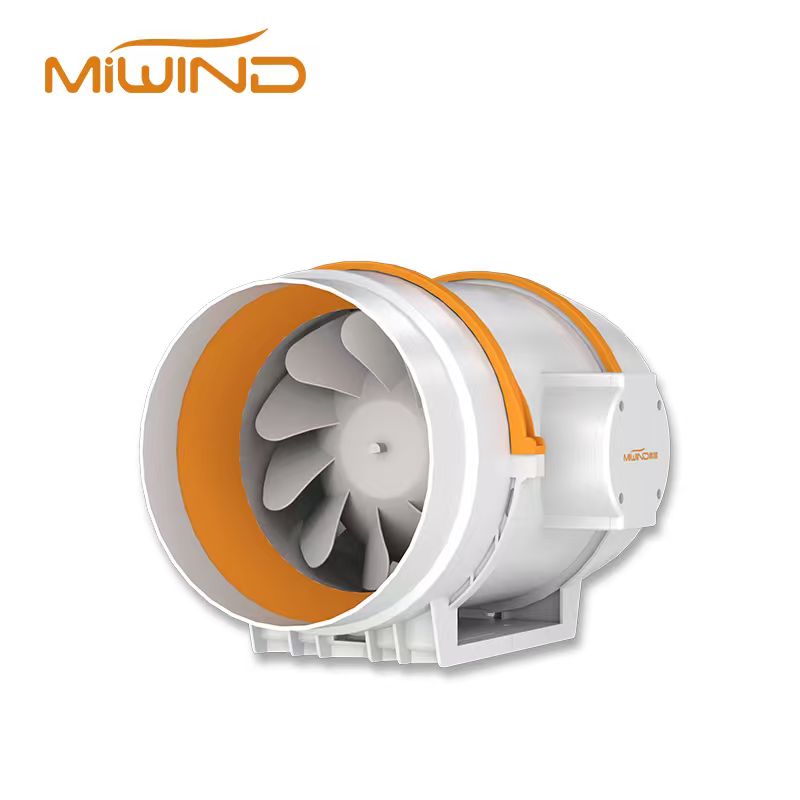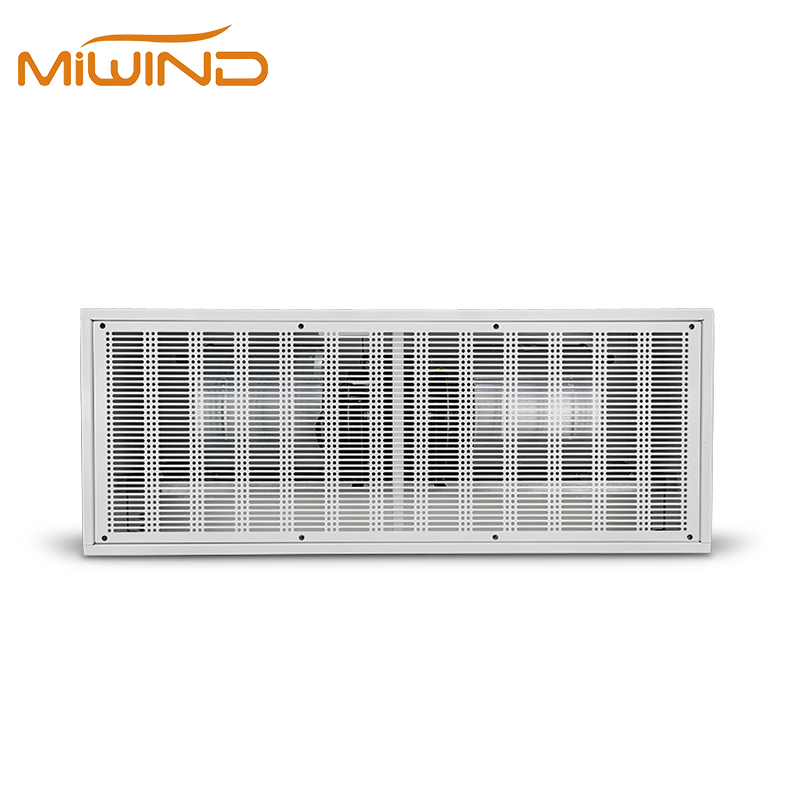
Inline duct fans are installed inside ductwork to push or pull air through a ventilation path. Their biggest value appears when a system has a long duct run, several bends, multiple intake points or a weak branch that does not receive enough airflow. The benefits are practical: better delivered airflow, easier distribution and more flexible installation than a fan placed only at the room opening.
Quick Answer: What Are the Main Inline Duct Fan Benefits?
- They boost airflow through long or restrictive duct runs.
- They help overcome static pressure from bends, grilles, filters and branches.
- They keep the motor and fan housing away from the occupied room.
- They can serve supply-air, exhaust and multi-room duct layouts.
- They make it easier to add airflow to an existing ventilation system.
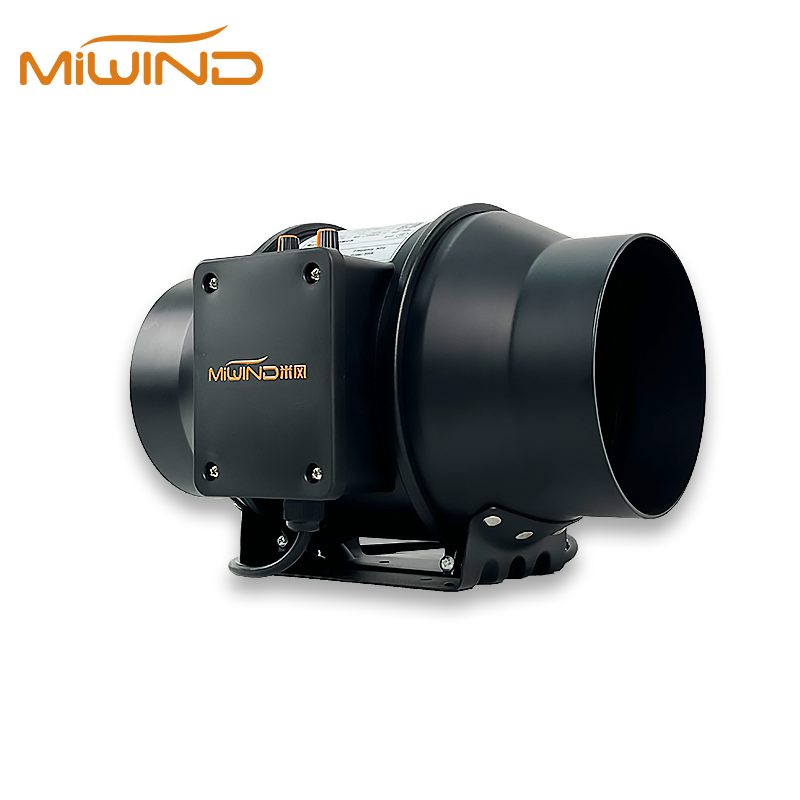
1. Better Airflow in Long Duct Runs
Pressure losses accumulate as a duct gets longer and adds bends, grilles, filters or branches. An inline fan adds pressure inside the duct so the system can deliver useful airflow at the far end instead of relying on a free-air rating measured without resistance.
2. More Flexible Supply and Exhaust Layouts
An inline duct fan can be installed in a fresh-air branch, bathroom exhaust route, workshop extraction line or commercial ventilation system. It can also support more than one intake point when the duct design and fan pressure are suitable. Compare the MIWIND fresh-air and duct fan range when the project needs a supply-air or mixed ventilation solution.
3. Easier Noise Control
Because the fan is positioned inside the duct and can be located away from the occupied room, the installation gives the designer more options for reducing perceived noise. Noise still depends on fan speed, duct velocity, vibration isolation and the grille, so the fan should not be selected on airflow alone.
4. Better Performance Against Static Pressure
Static pressure is the resistance the fan must overcome to keep air moving. Filters, narrow ducts, elbows and long runs all increase resistance. Mixed-flow or higher-pressure inline models are useful when a basic low-pressure fan cannot maintain the required airflow. Ask for the fan curve and compare the operating point with the complete duct resistance.
5. Useful for Retrofit Projects
Inline duct fans can add airflow to an existing branch without replacing the whole system. They are useful when a distant room is stale, an exhaust route is too long, or a commercial space has changed its layout. Confirm access for service, power supply, control method and mounting before installation.
6. Lower System Waste Through Correct Sizing
A correctly sized inline fan can deliver the required airflow without running at a higher speed than necessary. Use the target air volume, duct size, static pressure, operating hours and control method to choose the model. Oversizing can increase noise and energy use; undersizing can leave the original airflow problem unresolved.
When Is an Inline Duct Fan Worth It?
An inline fan is a strong candidate when the system has a long duct run, several bends, multiple rooms, uneven airflow or an exhaust point that cannot move enough air. It is less useful when the real problem is a blocked filter, closed damper, leaking duct or incorrectly sized grille. Inspect those causes before adding a booster.
Inline Duct Fan vs Exhaust Fan
An exhaust fan is usually selected to remove air from a room. An inline duct fan describes the installation position and can be used for either exhaust or supply. The decision should therefore follow the system purpose, not just the product name. Review the EC inline duct fan product range and the booster fan options against the project pressure requirement.
Selection Checklist
- Target air volume at the operating point.
- Total static pressure from ductwork, filters, grilles and branches.
- Duct diameter and available installation length.
- Noise limit, speed control and operating schedule.
- Access for cleaning, motor service and filter replacement.
Send the duct diameter, route length, airflow target and installation conditions through the MIWIND contact form for a project-level recommendation.