Demand-Controlled Kitchen Ventilation: A Chain Retrofit Guide
Assess kitchen demand-control retrofits using measured fan power, cooking schedules, hood capture, make-up air, controls compatibility and maintenance costs.
Demand controlled kitchen ventilation is a control strategy that adjusts kitchen exhaust and often make-up air fan operation based on cooking demand instead of running every fan at full speed all day. For chain restaurants with long operating hours, variable cooking loads, and repeatable store layouts, DCKV can be worth evaluating before a large retrofit or new prototype rollout.
This guide is for chain restaurant facility teams, energy managers, franchise operators, kitchen equipment planners, HVAC contractors, and procurement teams comparing control upgrades with simple fan replacement. MIWIND can discuss restaurant exhaust fan solutions, control-ready exhaust fan selection, fan technical resources, downloads, and the kitchen exhaust ventilation solution.
Define the product boundary before the chain builds a retrofit package. DCKV sensors, controllers, VFD software, control logic, commissioning, rebate documentation, and ROI modeling should be confirmed with the controls vendor and project team. MIWIND belongs on the exhaust fan selection side of the project: fan format, installation path, motor and power details, product documents, and the data a controls contractor needs before pairing a fan with a control package.
What DCKV Changes in a Kitchen Exhaust System
A traditional kitchen exhaust setup may run at a fixed speed during operating hours. That can be simple, but it does not reflect how many restaurants actually cook. Breakfast, prep, lunch rush, afternoon lull, dinner rush, cleaning, and late-night service may all have different exhaust demand.
DCKV is usually evaluated because full fan speed is not needed during every hour of kitchen operation. The control package may reduce fan speed during lower-demand periods while preserving capture, safety routines, and required operating modes.
Sensors and Control Logic at a High Level
DCKV systems typically use sensors and control logic to infer cooking activity or exhaust demand. Depending on the system, the control package may monitor temperature, smoke, optic signals, appliance status, or hood conditions. The controls then adjust exhaust and make-up air behavior.
For MIWIND review, keep the controls package separate from the exhaust fan package unless the quotation documents confirm otherwise.
Useful buyer questions:
- What cooking activity does the control vendor monitor?
- Which hoods and appliances are included?
- Does the control system modulate exhaust only, or exhaust plus make-up air?
- What fail-safe or full-speed modes are required?
- Who commissions and maintains the controls?
VFD Fan Speed Control and Exhaust Demand
Many DCKV projects rely on variable-speed fan operation. The fan, motor, drive, controls, wiring, and mechanical system must be reviewed as one package. A fan that was acceptable at fixed speed may need additional review before modulation, especially when grease, heat, pressure, duty cycle, or maintenance conditions are demanding.
Variable-speed discussions still depend on fan performance at real operating points. A control strategy does not remove the need for airflow, static pressure, duct, and installation data.
Capture and Safety Limits Govern Speed Reduction
The approved control sequence must preserve hood capture and containment, required minimum exhaust, replacement-air coordination and safety or fire-system interlocks. A lower speed is not acceptable solely because it saves fan energy. Have the designer and controls specialist establish the permitted operating range and verify it during commissioning.
When Chain Restaurants Should Evaluate DCKV
DCKV is most worth discussing when the operating pattern creates real modulation opportunity and the organization can repeat the learning across sites.
Long Operating Hours
A restaurant that runs hoods for many hours, including prep, slow periods, cleaning, and staggered service, may have more opportunity than a short-hour kitchen that operates near full load whenever open. Chains should map the true fan schedule before modeling anything.
Collect:
- Hood operating hours by daypart.
- Prep, cooking, holding, cleaning, and idle periods.
- Whether fans run before and after service.
- Whether stores override controls manually.
- Whether local code or corporate standards require minimum operation.
Variable Cooking Load
DCKV is easier to justify when cooking demand changes through the day. A store with a constant high-output cookline may have less modulation room than a site with bursts of cooking separated by quieter periods.
Review:
| Load pattern | DCKV question |
|---|---|
| Rush-heavy service | How much time is actually below peak exhaust need? |
| Multiple appliance banks | Can controls respond by hood or zone? |
| Seasonal menu shifts | Does cooking demand change enough to affect fan operation? |
| Open kitchens | Will noise, comfort, and capture expectations limit speed reduction? |
| Franchise variation | Are stores similar enough to standardize control assumptions? |
For a chain rollout, hoods, fans, make-up air, controls, comfort, maintenance, and store operations all belong in one design conversation.
Multi-Site Retrofit or Standardization Plans
Chain restaurants should evaluate DCKV differently from a single independent site. The question is not only "will this one kitchen save energy?" It is also whether the organization can standardize data collection, controls ownership, installation expectations, maintenance training, and documentation across a prototype or retrofit program.
Good triggers include:
- New store prototype redesign.
- Multi-site hood or fan replacement program.
- Corporate energy initiative.
- Rising utility or demand charges.
- Comfort complaints from make-up air or fan noise.
- Need to standardize controls documentation across franchise locations.
ROI Inputs to Model Before Approval
DCKV payback should be modeled with site or prototype data. A chain may see meaningful value, but the result depends on fan power, speed schedule, operating hours, utility rates, controls cost, make-up air interaction, HVAC heating/cooling impact, maintenance, and installation complexity.
Treat DCKV as an economic model, not just a controls feature. Before approving a rollout, collect baseline fan power, operating schedules, control costs, installation scope, and maintenance ownership for representative stores.
Utility Rates and Operating Hours
Model:
- Electricity cost by location.
- Demand charges if relevant.
- Fan operating hours before and after controls.
- Store schedules and override behavior.
- Seasonal heating and cooling impacts.
Baseline Fan Power and HVAC Load
Baseline measurement matters. A chain needs to know what the existing fans do, how much power they draw, what air volume they move, and whether make-up air creates heating or cooling load. A poor baseline can make ROI look better or worse than reality.
Collect:
| Input | Why it matters |
|---|---|
| Fan motor data | Defines starting point for control and replacement discussions. |
| Existing fan condition | Dirty, worn, or restricted fans may need maintenance before controls. |
| Static pressure | Shapes fan duty and variable-speed feasibility. |
| Make-up air | Reduced exhaust may affect replacement-air and HVAC operation. |
| Hood capture | Controls must preserve safe and acceptable capture. |
Controls, Integration, and Maintenance Cost
DCKV adds control hardware, integration, setup, user training, and maintenance. The chain should know who owns sensors, drives, troubleshooting, calibration, parts, and training after installation. A system that saves energy but creates service confusion can be hard to scale.
How MIWIND Supports Control-Ready Fan Selection
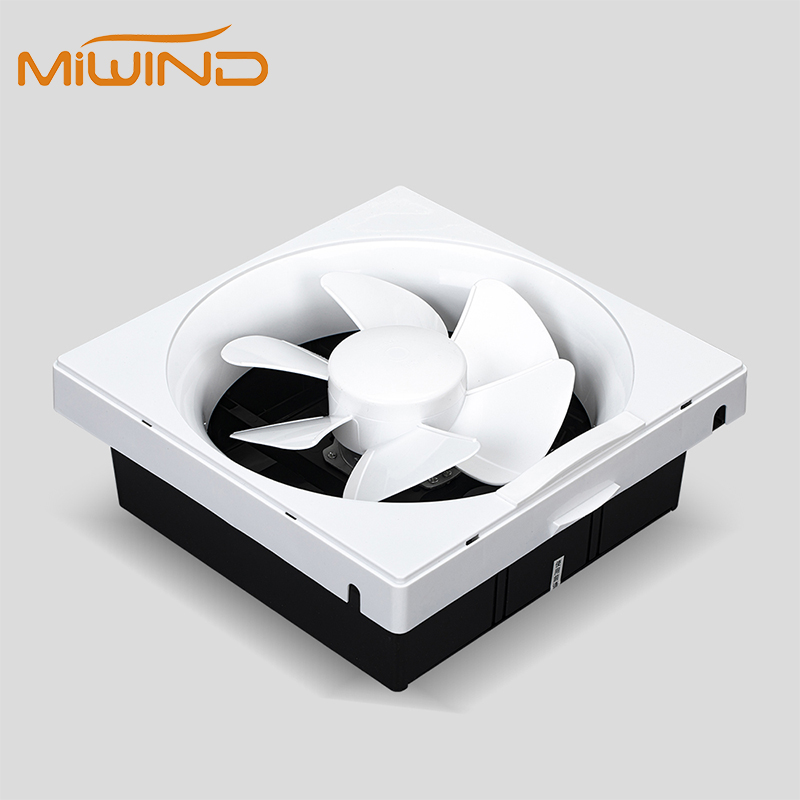
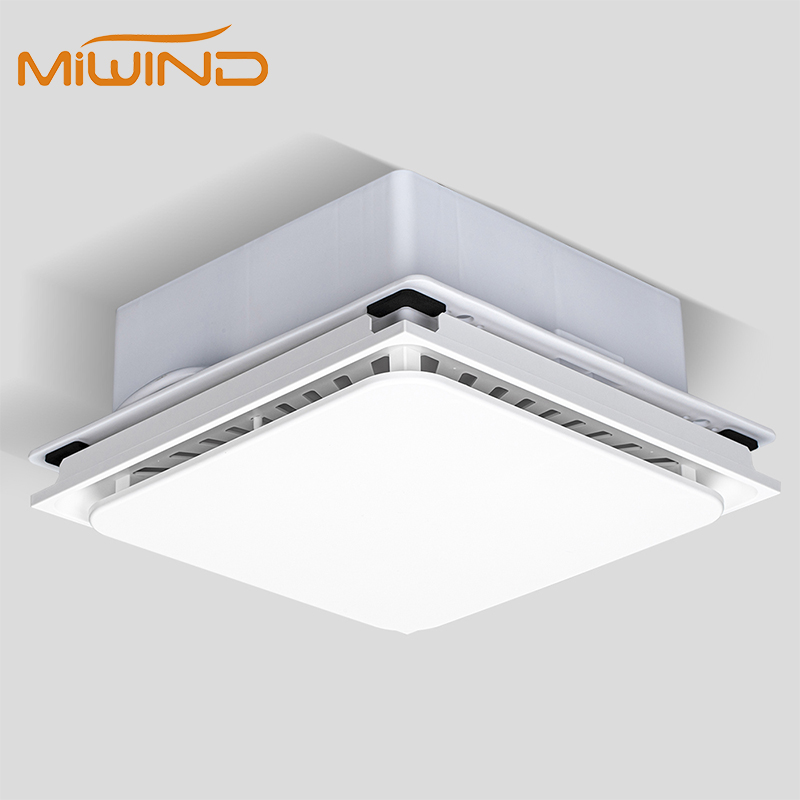
MIWIND can support the fan side of the discussion by helping buyers review product paths, installation formats, motor durability expectations, daily airflow needs, and document availability. The MIWIND Exhaust Fan Series is positioned for commercial and industrial ventilation, including kitchens, workshops, cabinets, and public-space ventilation.
For a DCKV discussion, ask MIWIND about the exhaust fan selection inputs, not about a full controls platform:
- Which exhaust fan format fits the duct route and installation space?
- What product documents are available for the selected fan?
- What voltage, motor, installation, and maintenance details should the controls contractor review?
- Are there product limitations that affect variable-speed operation?
- What information should be confirmed before pairing the fan with third-party controls?
For a retrofit, send the measured fan duty, motor and drive information, control sequence, hood requirements and make-up-air data through Contact Us. Confirm which fan-side documents are available before the controls contractor approves compatibility.

When a Simple Exhaust Fan Upgrade May Be Enough
Not every restaurant needs DCKV. Sometimes the immediate issue is a worn fan, dirty duct, poor maintenance access, wrong installation format, blocked discharge, weak motor, or missing project documentation. A simple exhaust fan review may be the right first step when:
- The kitchen operates near peak load most of the day.
- The site has no controls budget or maintenance owner.
- Existing fans are failing or poorly matched to the installation.
- Static pressure and duct problems are not yet understood.
- The chain needs reliable daily airflow before advanced controls.
- The project is a single-store replacement rather than a multi-site standard.
Use downloads, the exhaust fan catalog, and Contact Us to discuss the fan package first. Controls can be revisited once the mechanical baseline is known.
FAQ
What is DCKV?
DCKV adjusts kitchen exhaust and often make-up air fan operation based on cooking demand instead of running at full speed for all operating hours.
Does MIWIND provide DCKV controls?
Treat DCKV controls as a quotation-specific question. MIWIND can discuss exhaust fan selection inputs, while sensors, controllers, software, commissioning, and control logic should be confirmed with the controls vendor or project documents unless MIWIND supplies verified documentation for the quoted package.
When should a chain restaurant evaluate DCKV?
Evaluate DCKV when stores have long operating hours, variable cooking demand, repeatable layouts, energy goals, multi-site retrofit plans, and an owner for controls maintenance.
Can DCKV ROI be estimated without site data?
Only roughly. Useful ROI inputs include utility rates, fan power, operating hours, static pressure, make-up air impact, controls cost, installation scope, maintenance, and store override behavior.
Next Step
Use Contact Us to discuss a DCKV retrofit or control-ready exhaust fan selection. Send operating hours, cooking load, hood list, existing fan data, duct route, static pressure if known, voltage, make-up air notes, control vendor requirements, maintenance expectations, photos, and required technical documents.