Duct Booster Fan Pressure Switches: Activation and Checks
Specify duct booster activation using the sensed pressure, pickup location, switch limits, HVAC interlocks, motor compatibility and commissioning checks.
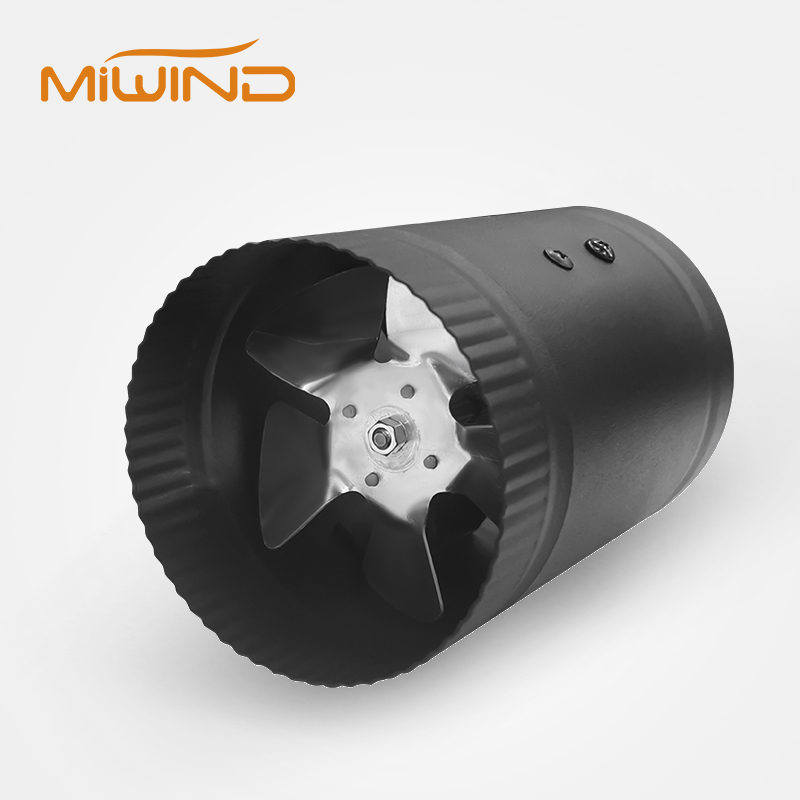
A duct booster fan pressure switch starts or stops a control circuit when the sensed pressure reaches a defined condition. Specify what pressure is sensed, where it is measured and how the booster is interlocked with the main HVAC system. The switch does not size the fan or establish the delivered airflow.
This guide is for OEM buyers, HVAC and MEP engineers, distributor technical sales teams, installers, facility managers, and project owners comparing automatic activation for branch ducts or auxiliary airflow. MIWIND can review duct fan series for booster applications, technical resources for duct fan selection, download fan catalog materials, and project details submitted through Contact Us.
Use this guide as a specification checklist before requesting fan and control matching. A quotation or submittal should still confirm the current product documents, compatible control options, electrical ratings, wiring responsibilities, noise expectations, and commissioning scope. Site wiring and final control logic should be handled by qualified electrical personnel according to the project requirements.
What a Pressure Switch Should Decide
A pressure switch is often discussed when the booster should start automatically instead of relying on a manual switch. In duct booster projects, the practical question is:
What condition should tell the fan to run, and how should that condition be verified?
The duct booster fan pressure switch should not be treated as a sizing answer. It does not define the airflow target, duct resistance, fan curve, or installation location by itself. It only helps describe an activation method after the airflow problem and duct path are understood.
Treat the switch as a coordination item, not as a shortcut around fan selection. The RFQ should describe the airflow symptom, the parent HVAC system, the duct path, and the desired operating sequence so MIWIND can check whether a booster fan and control package fit the application.
Pressure Sensing Is Not the Same as Airflow Proof
Identify whether the switch senses duct pressure relative to a reference or differential pressure between two pickup points. Record the pickup locations and the expected pressure with the main blower running, stopped and operating in each relevant mode. A pressure signal can remain present when a duct is restricted, so it should not be treated as proof of adequate airflow without the appropriate sensing arrangement and commissioning.
Specify the activation and release conditions, allowable adjustment range and hysteresis, the difference between switching on and switching off. Confirm the switch contacts, controller or relay and motor electrical requirements from the product documents. Test the approved sequence under normal operating conditions; do not bypass safety interlocks.
Specification Checklist for Automatic Activation
A good specification begins with the sequence of operation. If the parent blower runs, should the booster run every time? Should the booster run only during certain system modes? Should it be disabled during service? Should a manual override exist? Who confirms the behavior on site?
Use this checklist before asking MIWIND or any supplier for fan/control matching.
Activation Signal
Define the signal that should start the booster fan. In pressure-switch discussions, the signal is often related to pressure or airflow condition in the duct, but the exact sensing method, trigger setting, and switch compatibility must be confirmed by product documentation.
Use current product documents for trigger settings, electrical ratings, and compatible wiring arrangements. Do not assume that a pressure switch, controller, and fan from different packages will work together without a documented match.
Parent HVAC Relationship
A booster fan may be tied to a larger air handler, furnace, ventilation system, branch duct, or auxiliary airflow path. The parent system relationship matters because the booster should not create an unexpected operating condition.
Clarify:
- Does the booster run only when the main blower runs?
- Is the project supply air, return air, exhaust, transfer air, or cabinet ventilation?
- Is this a retrofit to an existing duct run or a new design?
- Are there zoning controls, dampers, or balancing devices nearby?
- Who owns final system responsibility: OEM, contractor, engineer, installer, or facility team?
Inline duct fans and duct boosters are often discussed together, but the application is different. A booster request should identify the branch or weak-airflow zone it serves; a broader inline fan request may involve fresh air, exhaust, transfer air, or equipment ventilation.
Speed Setting and Fan Behavior
Some booster discussions involve speed levels or speed controllers. Define the expected behavior in the RFQ: one fixed speed, field-adjustable speed, or a documented control package. That lets the supplier and installer confirm whether the selected fan can operate the way the project expects.
Ask:
- Should the fan have one operating speed or adjustable speed?
- Is the fan expected to run briefly or for long cycles?
- Is the space noise-sensitive?
- Is the branch duct already weak because of length, fittings, or poor layout?
- Will the final commissioning include airflow verification?
Service Access and Electrical Responsibility
Controls that cannot be accessed are difficult to commission and maintain. A pressure switch, controller, wiring junction, or fan buried behind finished construction may create avoidable service risk.
Electrical work should be handled by qualified personnel according to product documentation and local code. The buyer should request wiring information and control compatibility documents as part of the submittal package rather than treating the article as an installation manual.
Commissioning Questions
Commissioning is where the specification becomes a real installation. Before handover, the project team should confirm:
- Does the booster activate under the expected parent system condition?
- Does it stop when expected?
- Is airflow improved at the target location?
- Is noise acceptable in the occupied space?
- Are access panels and service points reachable?
- Are the electrical responsibility and documentation complete?
Commissioning does not guarantee a comfort result. It verifies whether the installed fan/control arrangement behaves as specified.
Where MIWIND Fits in Fan and Control Matching
The MIWIND Duct Fan Series covers inline fans, silent ventilation models, heat-recovery products, compact duct runs, cabinet ventilation, and larger fresh-air exchange systems. MIWIND can discuss fan/control matching after the buyer explains the airflow problem and activation expectation.

Before you ask MIWIND about fan/control matching, prepare:
- Application type and room or equipment served.
- Airflow target or symptom to solve.
- Duct length, layout, and installation location.
- Parent HVAC equipment relationship.
- Desired activation method.
- Speed setting preference, if any.
- Noise requirement.
- Service access limits.
- Electrical responsibility or installer role.
- Drawings, photos, target market, and expected quantity.
If the project lacks airflow or pressure context, review how static pressure affects inline duct fan selection before treating the control accessory as the main issue.
Related Duct Fan Resources and Next Steps
Use technical resources for duct fan selection and download fan catalog materials when the project needs product documents, catalogues, or supporting files. Use Contact Us when the question is still an application review.
A useful inquiry is:
We need a duct fan/control recommendation for this airflow path. Here is the duct layout, parent HVAC relationship, activation goal, service access, and commissioning expectation.
That sentence is more useful than asking for a pressure switch in isolation.
FAQ
Does a pressure switch solve weak airflow by itself?
No. A pressure switch can help define automatic activation, but airflow still depends on fan selection, duct resistance, installation location, controls, and commissioning.
Where should buyers get trigger-pressure or wiring details?
Use current MIWIND product documents and project electrical requirements. Send the project details to MIWIND so compatible fan and control options can be checked before purchase.
Who should handle pressure switch wiring?
Qualified electrical personnel should handle wiring according to product documentation and local code. This article is a specification guide, not an installation manual.
Next Step
To ask MIWIND for fan/control matching, send the airflow target, duct layout, parent HVAC relationship, desired activation method, speed expectation, service access, noise requirement, available drawings or photos, installer role, target market, and expected quantity.