Supermarket Deli Exhaust: Hood Duty, Airflow and Fan Selection
Plan supermarket deli exhaust using the appliance lineup, hood duty, customer-area impact, grease requirements, duct route, make-up air and cleaning access.
A supermarket deli exhaust fan should be selected around the prepared-food operation, not around a generic supermarket ventilation label. Fryers, rotisseries, ovens, bakery equipment, steam tables, dishwashing, hot bars, customer counters, and nearby refrigerated displays all change the RFQ package.
For a supermarket deli, collect the appliance and hood schedule together with the sales-floor layout. Use the Exhaust Fan Series and kitchen exhaust application to request model documents after the required exhaust duty is defined.
Use this guide to prepare the exhaust-fan RFQ, not to replace hood approval or code design. Grease-rated documentation, Type I/Type II hood requirements, NFPA/AHJ/UL/NSF review, fixed CFM calculations, fan curves, static pressure values, sound ratings, grease-laden-air approvals, odor treatment, VFD/control compatibility, and make-up-air design should be confirmed through project documents, contractors, local reviewers, and product-specific files.
Prepared-Food Exhaust Fan RFQ Checklist
Supermarket prepared-food zones mix commercial kitchen conditions with customer-facing retail expectations. A deli may have a fryer and rotisserie behind the counter, an oven near a bakery display, a steam table next to a hot bar, and dishwashing or prep activity behind a staff door. That makes the exhaust fan RFQ more specific than "supermarket ventilation."
Prepared-food ventilation rarely sits alone. It may connect with sales-floor comfort, service doors, receiving routes, nearby refrigerated displays, and customer seating. The RFQ should therefore describe the deli as a zone within the supermarket, not as an isolated fan replacement.
Fryer, Rotisserie, Oven and Bakery Areas
List the equipment before asking for a model. Grease, smoke, heat, steam, and odor affect the exhaust discussion differently.
Send:
- Fryer count, fryer location, and peak use period.
- Rotisserie, griddle, oven, pizza, bakery, or hot-case equipment.
- Hood type and drawings if available.
- Whether the equipment is customer-facing, back-of-house, or beside a retail aisle.
- Existing fan location, age, photos, nameplate, and maintenance notes.
- Grease, smoke, heat, steam, odor, or condensation complaints.
Hoods, exhaust fans, make-up air, controls, and building comfort interact. A supermarket deli fan should not be selected from airflow alone.
Steam Table, Dishwashing and Hot Bar Zones
Prepared-food areas do not always create the same exhaust load as heavy frying. Steam tables, dishwashing, soup stations, bakery proofing, and hot bars may be dominated by moisture, heat, odor, or customer comfort. The RFQ should describe the source condition instead of assuming every location is grease exhaust.
| Zone | RFQ details to collect |
|---|---|
| Steam table | Heat, moisture, covers, service hours, customer distance, and local exhaust point. |
| Dishwashing | Steam, humidity, operating cycle, door opening, and nearby prep or storage. |
| Hot bar | Food covers, customer queue, odor complaints, and display-counter layout. |
| Bakery | Oven type, heat release, moisture, service hours, and display area proximity. |
| Prep room | Cutting, packaging, washdown, odor, general ventilation, and service door location. |
Customer-Adjacent Exhaust Considerations
Supermarket delis often sit beside customers. That changes the selection conversation. Noise, odor, heat, drafts, visible equipment, service access, and cleaning routines can matter as much as raw fan capacity.
Odor movement depends on source control, hood capture, cross-drafts, replacement air, cleaning, and discharge location. Fan selection can support the exhaust path, but it should not be treated as an odor-elimination promise by itself.
Separate Cooking Exhaust from General Ventilation
Have the designer classify each appliance and hood. Grease-laden exhaust, heat or moisture exhaust and general room exhaust can require different equipment and construction. A fan suitable for a prep room is not automatically suitable for fryer or rotisserie exhaust. Confirm the required grease-duty documents before comparing formats, and identify which branches may be combined under the approved design.
Map checkout lanes, refrigerated cases and customer queues relative to replacement-air outlets and the deli hood. Record drafts or odor migration during normal cooking; correct supply direction and hood capture before assuming a larger fan will solve the complaint.
Choose the Right Exhaust Fan Format
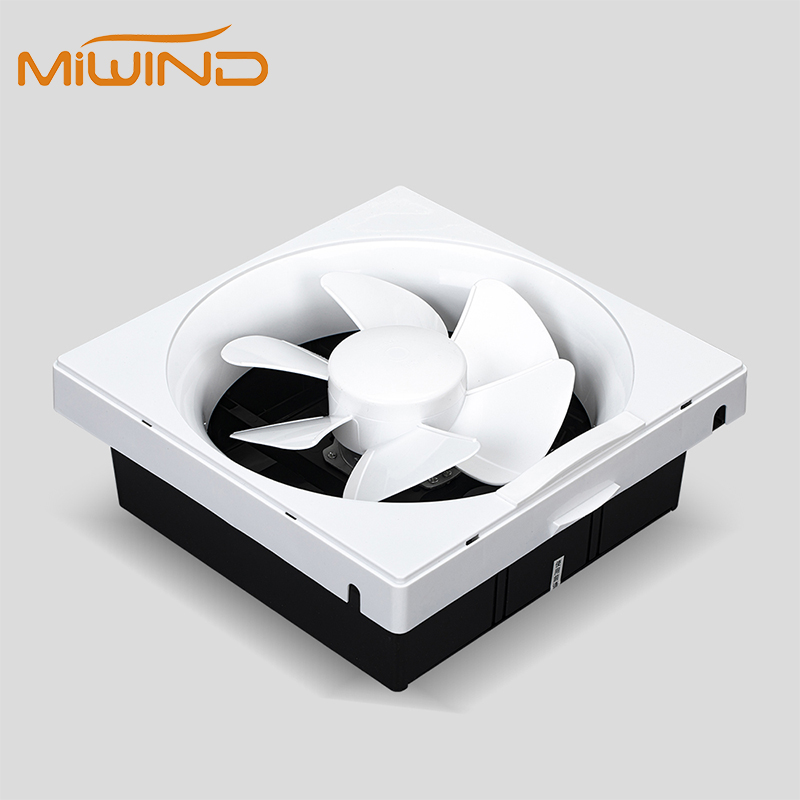
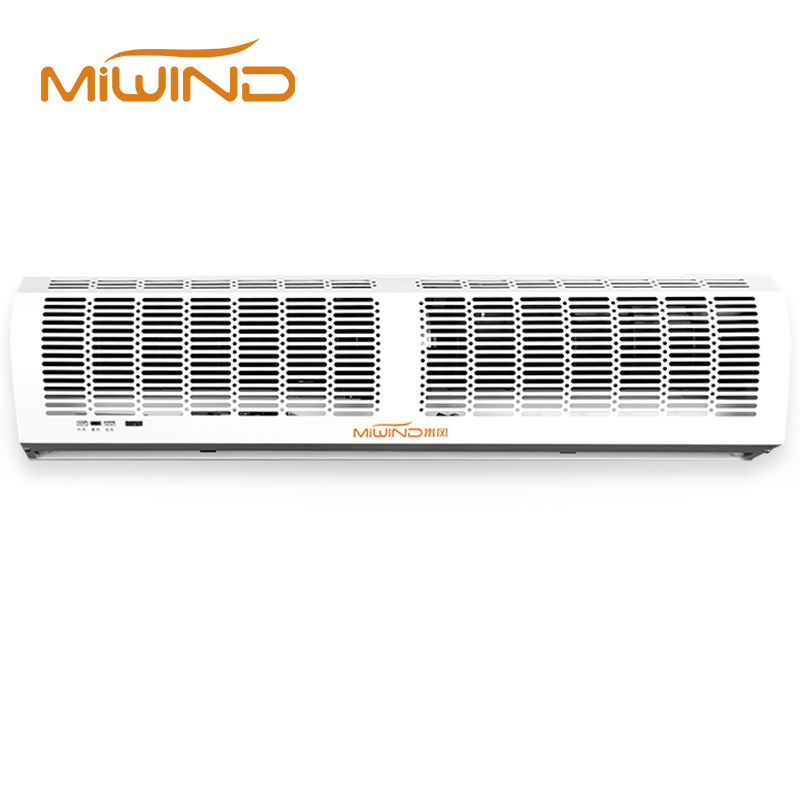
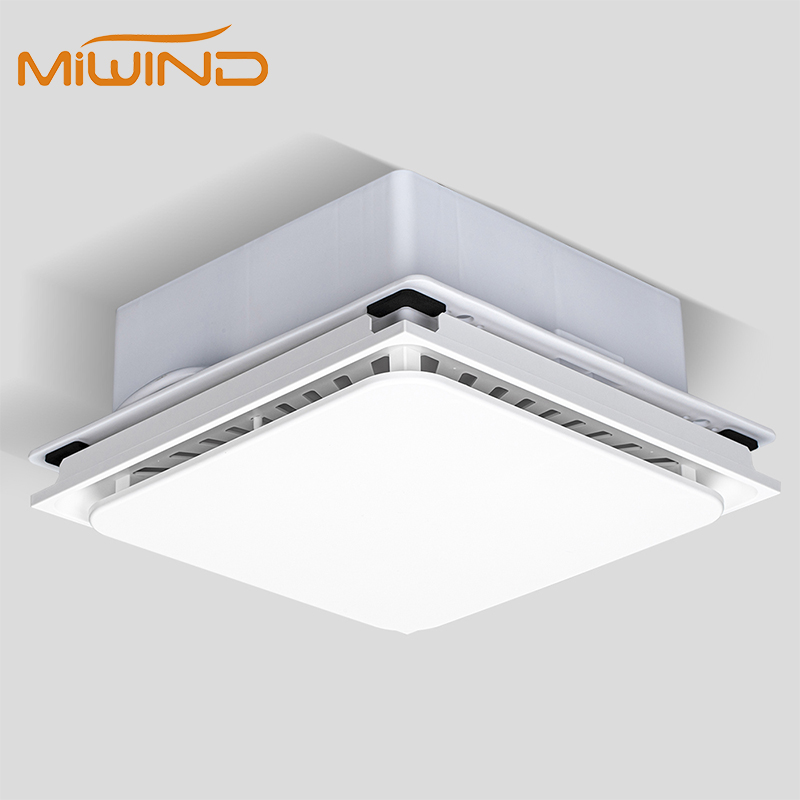
MIWIND's local product page positions the Exhaust Fan Series as wall, roof, and ducted exhaust fan products for commercial and industrial ventilation. For a supermarket deli, format depends on where the source is, where the duct can run, how maintenance happens, and what documents the project requires.
Wall Exhaust Fan Products
Wall-mounted exhaust may enter the conversation when the deli or prep space has a short path to an exterior wall and practical service access. Confirm discharge clearance, grease or moisture conditions, nearby sidewalks or public areas, and local reviewer expectations before treating a wall format as suitable.
Roof Exhaust Fan Products
Roof exhaust may be discussed when the prepared-food zone routes upward through a shaft or roof curb. The buyer should provide roof access notes, duct route, grease or moisture conditions, structural limits, cleaning access, and discharge location requirements.
Ducted Exhaust Fan Products
Ducted or inline discussions matter when the fan is remote from the source, installed above ceilings, routed through service corridors, or part of a longer exhaust path. This is where static pressure, elbows, dampers, filters, and service clearance become important.
For more general restaurant sizing preparation, see commercial kitchen exhaust fan sizing. For supermarket deli and prepared-food projects, keep the RFQ tied to the equipment lineup, sales-floor impact, service access, and document requirements.
Coordinate the Exhaust Path Before Selection
The exhaust fan is only one part of the path. The hood, duct, fittings, access doors, filters, discharge point, make-up air, and cleaning plan should be mapped before quotation.
Maintenance Access and Daily Airflow Review
For prepared-food kitchens, pair product review with maintenance questions:
- How will the fan, duct, filters, and hood be cleaned?
- Is service access possible without disturbing customer areas?
- Does the deli run early morning, lunch, dinner, or all day?
- Are there odor or noise complaints near service counters?
- What documents are needed for owner, contractor, or distributor review?
Make-Up Air Coordination Support
Supermarket delis can affect the sales floor, entrance, cold displays, and service doors if exhaust removes air without planned replacement. Use the kitchen exhaust ventilation solution to organize exhaust-path questions, then keep make-up-air equipment design and building balance with the project HVAC team.
If the project references local plan-check rules, retail food construction requirements, or NFPA 96, include those requirements in the RFQ. The project team and local reviewer should confirm which hood, ventilation, fire, and inspection documents apply.

Why Use MIWIND Exhaust Fan Series
Use MIWIND Exhaust Fan Series when the buyer needs product matching and quotation support after the prepared-food details are known. MIWIND can help buyers:
- Compare wall, roof, and ducted exhaust fan formats.
- Check documented motor ratings, permitted operating conditions and installation requirements.
- Review kitchen exhaust and service-zone airflow paths.
- Coordinate catalog, quotation, and export-document needs.
- Route buyers to MIWIND product downloads and the option to download the exhaust fan catalog.
If the project requires grease-exhaust certification, hood approval, fire-code review, sanitation approval, odor-control treatment, or engineering calculations, request those documents before quotation approval.
Send Project Details for Product Matching
Before asking MIWIND for exhaust fan model matching and quotation, send:
| Field | What to include |
|---|---|
| Equipment lineup | Fryers, rotisseries, ovens, bakery, steam tables, hot bar, dishwashing, and prep areas. |
| Hood and exhaust path | Hood type if known, duct route, fan location, discharge point, and access. |
| Airflow and pressure | Required CFM and static pressure if provided by contractor or project documents. |
| Format preference | Wall, roof, ducted, ceiling, inline, or unknown, with photos and constraints. |
| Customer impact | Odor, heat, smoke, steam, noise, drafts, and proximity to counters or aisles. |
| Maintenance | Cleaning access, grease or moisture notes, service schedule, and existing fan problems. |
| Documents | Catalog, installation notes, certificates, drawings, reviewer comments, and quotation needs. |
FAQ
What makes a supermarket deli exhaust fan different from a general store fan?
A deli exhaust fan is tied to prepared-food equipment, hoods, heat, grease, steam, odor, customer proximity, cleaning access, and make-up air. A generic store ventilation fan may not cover those conditions.
Can MIWIND confirm Type I or Type II hood approval?
Treat hood type and approval as project-document and contractor review items. If a quoted fan must support a Type I or Type II hood package, request the exact documentation required by the contractor and local reviewer before ordering.
What should I send for a prepared-food exhaust fan quote?
Send equipment lineup, hood drawings, duct route, fan location, discharge point, required airflow and static pressure if known, photos, maintenance needs, power, documents, and customer-area complaints.
Does a fan alone solve supermarket deli odors?
No. Odor depends on source control, hood capture, exhaust path, make-up air, cross-drafts, cleaning, discharge location, and operating procedures. Fan selection is one part of that system.
Next Step
Use Contact Us to request exhaust fan selection support. Send your deli equipment lineup, installation format, exhaust path, make-up air notes, catalog requirements, photos, and quotation needs so MIWIND can review the right Exhaust Fan Series path.