Fan Energy Index (FEI): How HVAC Buyers Compare Fan Efficiency
Use FEI only for covered fan types and a defined duty point. Compare it with airflow, pressure, curve, motor, control and installation data.
Fan Energy Index (FEI) compares a covered fan's electrical input with a reference fan at a defined operating point. Buyers should record the required airflow and pressure, then compare FEI alongside the fan curve, motor and control data, and installation conditions. FEI does not replace application review.
This guide is for HVAC buyers, engineers, distributors, OEM procurement teams, and contractors comparing fan submittals. MIWIND can help review technical resources, duct fan series, exhaust fan series, and project data through Contact Us.
MIWIND should discuss FEI only where published, model-specific data is available. If FEI is not listed for a product, buyers should compare verified airflow, pressure, fan curves, motor/control data, and noise documentation instead of adding an unsupported value to the submittal.
What Is Fan Energy Index (FEI)?
The fan energy index FEI compares fan efficiency at a specific duty point against a reference fan concept. In buyer language, it is a way to ask whether a fan is efficient for the airflow and pressure condition being discussed. It is not meaningful if the operating point is missing.
AMCA describes FEI in its Fan Energy Index overview. ANSI/AMCA 208 defines an FEI calculation method; ANSI/AMCA 214 covers test procedures for FEI and fan electrical power. Check the applicable fan category, standard edition, specification, and local rule before treating FEI as a compliance requirement.
The practical takeaway is simple: ask what airflow, pressure, speed, and installation condition the number represents. A fan can look efficient at one point and be a poor fit at another. That is why FEI belongs in a technical review, not in a short product slogan.
The metric is most useful when it improves the RFQ conversation. Instead of asking whether a fan is "efficient" in a general way, the buyer can ask whether the quoted fan has documented performance at the duty point the project actually needs. That keeps the comparison closer to engineering data and farther from generic energy language.
Why the Duty Point Matters
Airflow, static pressure, and part-load context
A duty point combines airflow and pressure. The same fan can operate at different points depending on duct length, elbows, filters, dampers, grilles, discharge conditions, and control settings. If the duty point changes, the efficiency story can change too.
Part-load context matters because fans do not always operate at one fixed speed. EC motors, variable-speed control, demand control, and system changes can move the fan across a range. A submittal that only shows one peak condition may not answer the buyer's real operating question.
The DOE fans and blowers page is a useful regulatory reference because it collects rulemaking and notice material for fans and blowers. The DOE standards and test procedures page is broader context for how energy standards and test procedures are handled across covered equipment. Use those sources to understand the regulatory background, then check whether the quoted fan type and model have applicable published documentation.
FEI vs Fan Selection
The fan energy index FEI can help compare documents, but real fan selection still needs application data. A buyer should review:
- Required airflow.
- Static pressure.
- Fan curve or performance table.
- Noise target.
- Duct layout and system effect risk.
- Control strategy.
- Electrical data.
- Installation space and service access.
- Duty cycle and operating schedule.
If two fans show different FEI values, the buyer should first confirm that they are being compared at the same duty point and under the same scope. If the scope is different, the comparison can mislead procurement.
For MIWIND review, keep the request practical. The buyer sends the operating condition and current submittal. MIWIND reviews what product documents are available and whether more data is needed before quoting or comparing options.
This is also where system effects should be called out. A fan placed after a restrictive elbow, a crowded transition, or a poorly matched outlet can lose installed performance even if the document looks strong. The metric should support the application review, not distract from it.

What to Request in Procurement Docs
Before comparing fan specifications, request a complete document set:
- Product line or model family.
- Airflow requirement.
- Static pressure requirement.
- Duty point used for comparison.
- Fan curve or performance table.
- Motor and control type.
- Part-load or speed-control expectations.
- Noise data.
- Installation scenario.
- Region or regulatory context.
- Current submittal or consultant specification.
If FEI is not published for the quoted model, keep the comparison on verified performance data and request supplier confirmation before using FEI in a submittal or compliance matrix. A document-led review is safer than attaching an unsupported metric to a product family.
How MIWIND Supports Spec Review
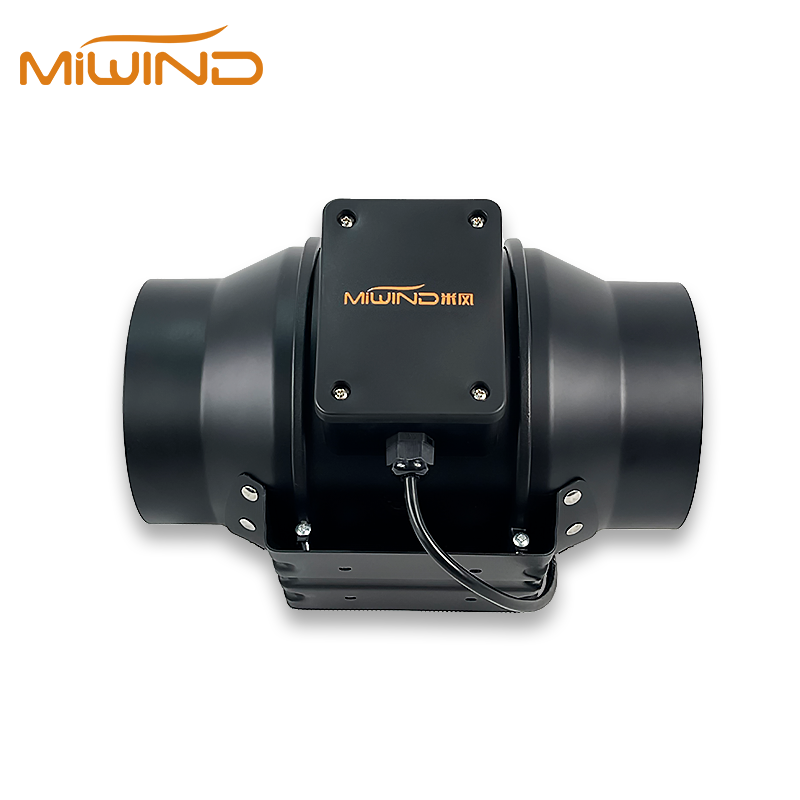
MIWIND can support the buyer by collecting the fan application data, pointing to available product documents, and clarifying which information is missing. Use technical resources and downloads for document review, then compare the relevant duct fan series or exhaust fan series.
For a first review, send:
- Product line or fan type.
- Required airflow and static pressure.
- Duty point or consultant specification.
- Installation layout.
- Control method.
- Region or compliance context.
- Current submittal files.
When a fan energy index FEI value is present in the project documents, MIWIND can help read it against the duty point and the rest of the fan data. When the value is not present, the conversation should stay with verified airflow, pressure, noise, motor, and control documents.
FAQ
Is FEI a universal fan certification label?
FEI is a comparison metric used in standards and specification contexts. It does not replace model selection, application review, or verified submittal data.
What should be checked next to FEI?
Check airflow, static pressure, duty point, fan curve, motor/control type, part-load behavior, and installation conditions.
Where can buyers confirm MIWIND model-specific FEI data?
Model-specific FEI values should be confirmed from current MIWIND documentation, test files, or project submittal records before they are used in procurement or compliance language. If that value is not available, keep the review on airflow, static pressure, fan curves, motor/control data, and noise documentation.
Next Step: Ask for Fan Performance Data
Use Contact Us with the duty point, airflow, static pressure, installation scenario, and current submittal. MIWIND can then help review available fan documents without treating FEI as a one-number purchasing answer.