Fresh Air CFM: How to Set an Outdoor-Air Design Basis
Fresh-air CFM depends on building use, occupancy, adopted standards and system design. Gather the inputs engineers need before selecting a fan.
There is no single fresh-air CFM value that fits every home or office. The design rate depends on the space, occupancy, ventilation standard adopted for the project and the distribution system. Confirm those inputs with the project engineer before choosing a fan or fresh-air unit.
This guide is for OEM buyers, HVAC and MEP engineers, distributor technical sales teams, installers, owners, and facility managers preparing an outdoor-air planning brief. MIWIND can review MIWIND Fresh Air System, duct fan series for air movement routes, technical resources for ventilation planning, and project inputs sent through Contact Us.
Use this guide as a planning brief before selecting fresh-air equipment. Final outdoor-air rates, ASHRAE or local-code calculations, IAQ goals, energy assumptions, HRV/ERV performance data, and certificate requirements should be confirmed with the qualified project team and current product documents.
What Outdoor-Air Volume Means in Early Planning
Outdoor-air volume is not the same as picking the largest fan. Outdoor air has to be introduced, filtered, distributed, and sometimes tempered or recovered through a system that fits the building and its operating pattern.
ASHRAE Standard 62.1 addresses ventilation and acceptable indoor air quality in nonresidential buildings; Standard 62.2 addresses dwelling units. ASHRAE lists 2025 editions for both standards, but local codes may adopt a different edition. Identify the project requirement and calculation method before requesting equipment. See ASHRAE's official standard scopes and confirm the applicable edition with the project engineer.
EPA's indoor air quality guidance frames ventilation as one part of IAQ along with source control and air cleaning. More outdoor air is not the only IAQ action, and one fresh-air system should not be expected to solve every indoor air problem by itself.
Inputs That Change the Outdoor-Air Target
The outdoor-air target changes with the people, rooms, schedule, contamination sources, climate, filtration strategy, and duct path. A home office, open office, villa, meeting room, clinic waiting area, and small shop can all need different planning assumptions.
Building Type and Occupancy
Start with building type and occupancy pattern:
- Is the project residential, office, retail, school, hospitality, clinic, villa, or small commercial?
- How many people normally use the space?
- Is the occupancy steady, intermittent, seasonal, or event-based?
- Are there meeting rooms, sleeping rooms, workrooms, or public areas with different use patterns?
Use occupancy as an input for the engineer, local code review, and supplier discussion. It helps define the target, but it is not enough to choose equipment without duct, filtration, noise, and climate context.
Room Use, Schedule, and Filtration
Room use affects the ventilation brief. A quiet office may need low sound and steady distribution. A small gym or training room may have peak occupancy. A renovation may need attention to materials, odors, and source control. A filtered fresh-air path may have different fan review needs than a simple open intake.
Filtration is also part of the discussion. Filters add resistance, require maintenance, and should be considered before the fan is selected. If the fan path includes filters and ducts, review inline fan curve and CFM basics so the conversation stays tied to installed airflow.
Climate, Ducting, and Local Requirements
Climate affects whether the project needs heat recovery, humidity planning, condensation awareness, or additional HVAC coordination. Ducting affects the installed airflow. Local requirements affect what the engineer must verify.
OSHA's indoor air quality overview is useful for office discussions because workplace IAQ can involve ventilation, temperature, humidity, renovation, contaminants, and maintenance. That reinforces why a CFM target should be paired with a broader site brief.
Why a Single CFM Number Is Not Enough
Buyers often ask, "How many CFM do I need?" That is a reasonable starting question, but it is not enough for selection. The supplier also needs to know where that outdoor air enters, how it is filtered, where it is delivered, how ducts are routed, what noise is acceptable, and what product path is being considered.
A useful early brief includes:
- Building type and room use.
- Occupancy range and schedule.
- Fresh-air target or the standard/local rule being referenced.
- Duct length, layout, and installation space.
- Filtration requirement.
- Climate or location.
- Noise requirement.
- Whether heat recovery, inline duct fans, mixed-flow fans, or a simple air movement route should be compared.
After Inputs Are Collected: Choose a Fresh Air System Route
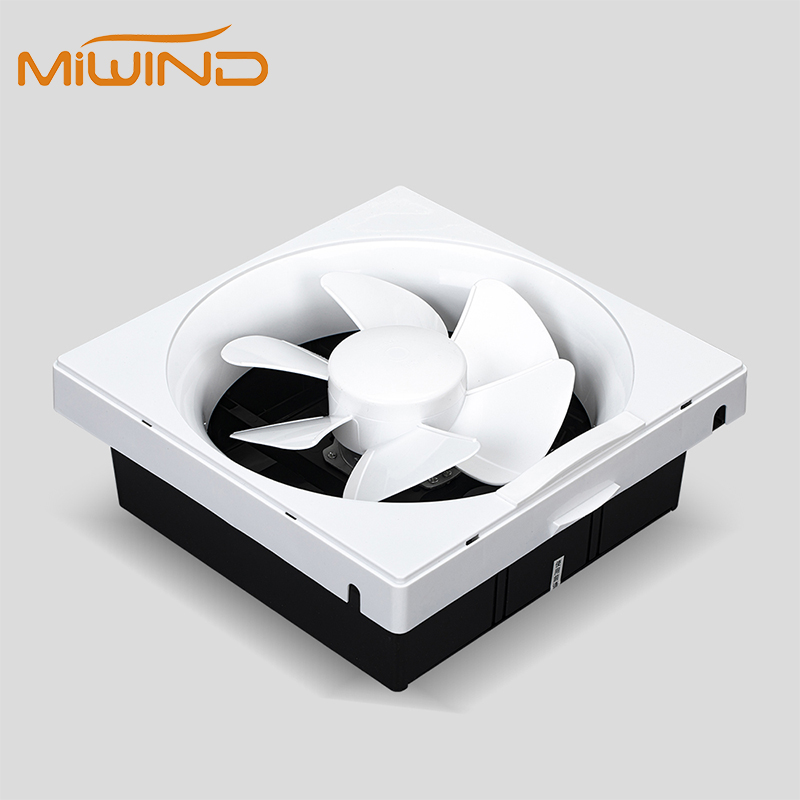
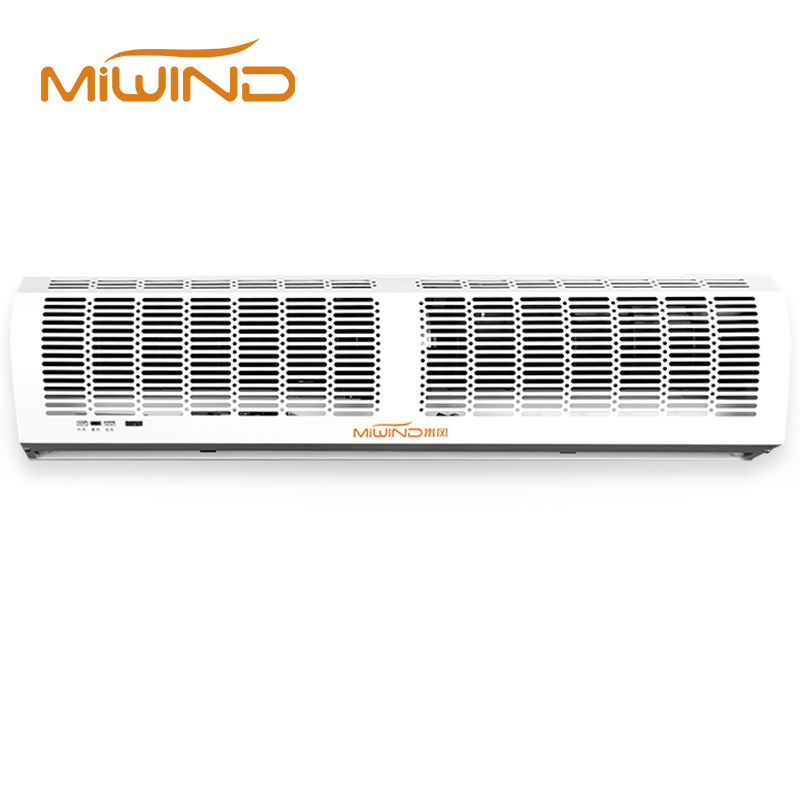
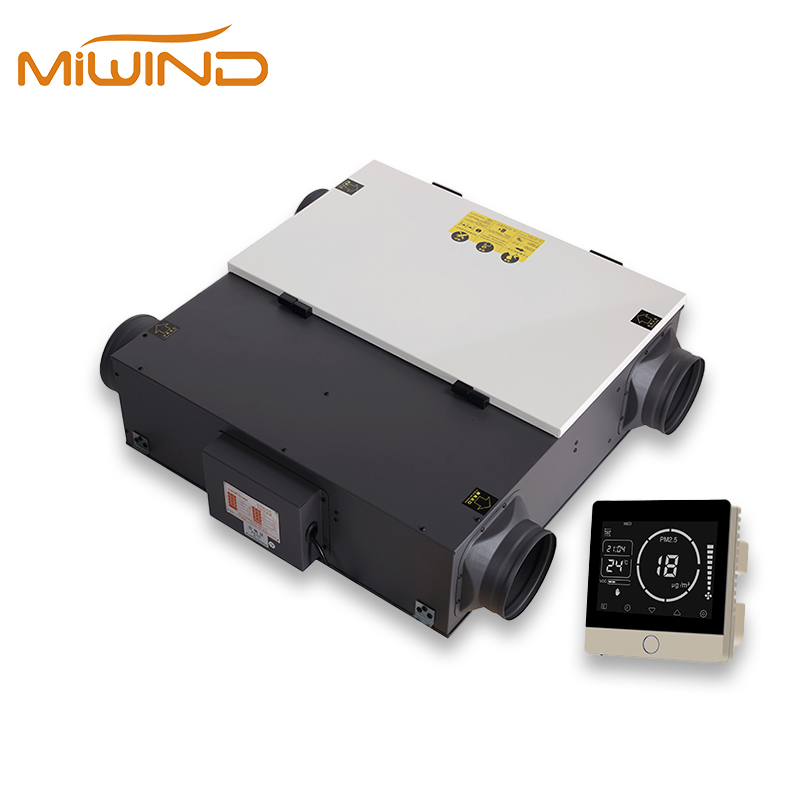
The MIWIND Fresh Air System route can be used to compare fresh air systems, inline duct fans, mixed-flow fans, and heat-recovery ventilation products for HVAC airflow projects. The MIWIND Duct Fan Series can support inline fan, silent ventilation, compact duct run, cabinet ventilation, and larger fresh-air exchange discussions.

Supplier Brief for MIWIND
Before you contact MIWIND to plan fresh-air CFM, prepare:
- Building type and room list.
- Normal and peak occupancy pattern.
- Operating schedule.
- Fresh-air goal, local code context, or design standard reference.
- Duct route, duct length, and installation space.
- Filtration requirement and service access.
- Climate or project location.
- Noise requirement.
- Whether the project is residential, office, commercial, OEM, retrofit, or new construction.
- Expected quantity and document needs.
MIWIND can then discuss whether the project should review fresh-air equipment, heat-recovery products, inline duct fans, mixed-flow fans, or a combination. Final engineering, code compliance, and project-specific CFM calculations remain the responsibility of the qualified project team.
FAQ
Can this article calculate outdoor-air volume for my building?
No. It explains planning inputs. A qualified engineer or project team should apply the correct standard, local code, room data, and system design before final selection.
Does more outdoor air always improve indoor air quality?
Not by itself. EPA frames ventilation as one IAQ strategy alongside source control and air cleaning. Outdoor air also interacts with filtration, climate, humidity, ducting, and HVAC capacity.
Can MIWIND confirm ASHRAE compliance from an inquiry?
MIWIND can review product options against the information provided, but compliance judgments belong to the qualified project team. Buyers should share the standard or local requirement being used before requesting model guidance.
Next Step
To plan fresh-air CFM with MIWIND, send the building type, occupancy pattern, room use, schedule, fresh-air target or design basis, duct route, filtration requirement, climate, installation space, noise requirement, project market, and expected quantity.