IEC 60335-2-80 for Fans: Scope and Procurement Evidence
Check whether IEC 60335-2-80 applies to the fan type and verify model-specific certificate or test-report evidence before purchase.
Technical buyers often ask a simple question that does not have a simple answer: does this fan comply with IEC 60335-2-80? The better procurement question is more specific. What kind of fan is it, what voltage and frequency will be supplied, where will it be installed, and what evidence is available for the exact model?
IEC 60335-2-80:2024 is the fourth edition of the standard for household and similar electrical fans. The IEC states that it does not apply to fans intended exclusively for industrial purposes or to fans incorporated into other appliances. Buyers should first confirm the product's intended use and the standard's scope, then verify evidence for the exact model and configuration.
MIWIND supports technical file review by helping buyers map fan category, model ID, voltage, intended application, and destination market to available certificate and test-report files. Buyers can start with technical resources, then check certificates, products, or contact MIWIND through Contact Us.
What IEC 60335-2-80 Covers at Buyer Level
The official IEC catalogue entry for IEC 60335-2-80:2024 identifies the standard's scope and exclusions. It is not evidence that a specific product has been tested or certified. For technical interpretation, use the full standard and the applicable market requirements with the responsible engineer or conformity-assessment body.
For procurement, the key point is scope. A buyer should not ask only whether a supplier has "IEC." That wording is too broad. The buyer should ask whether the product has evidence that references IEC 60335-2-80, whether the evidence is a certificate, test report, declaration, or technical assessment, and whether it applies to the exact model being purchased.
Fan design, intended use, installation, electrical ratings and included controls can affect the applicable safety assessment. Do not infer coverage for a different model from a similar product name or product-family certificate.
Why Scope and Fan Category Matter
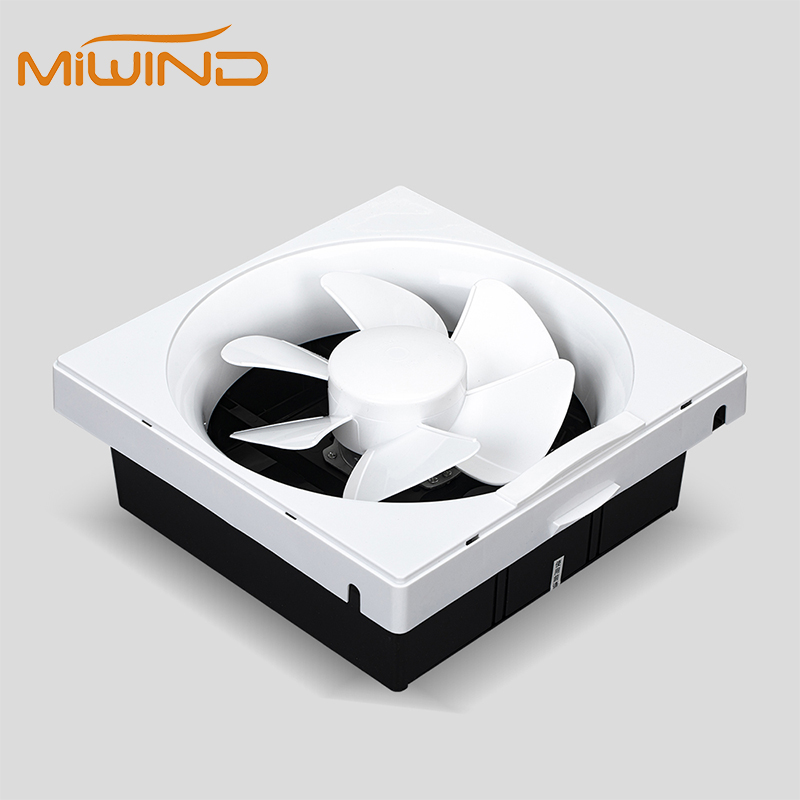
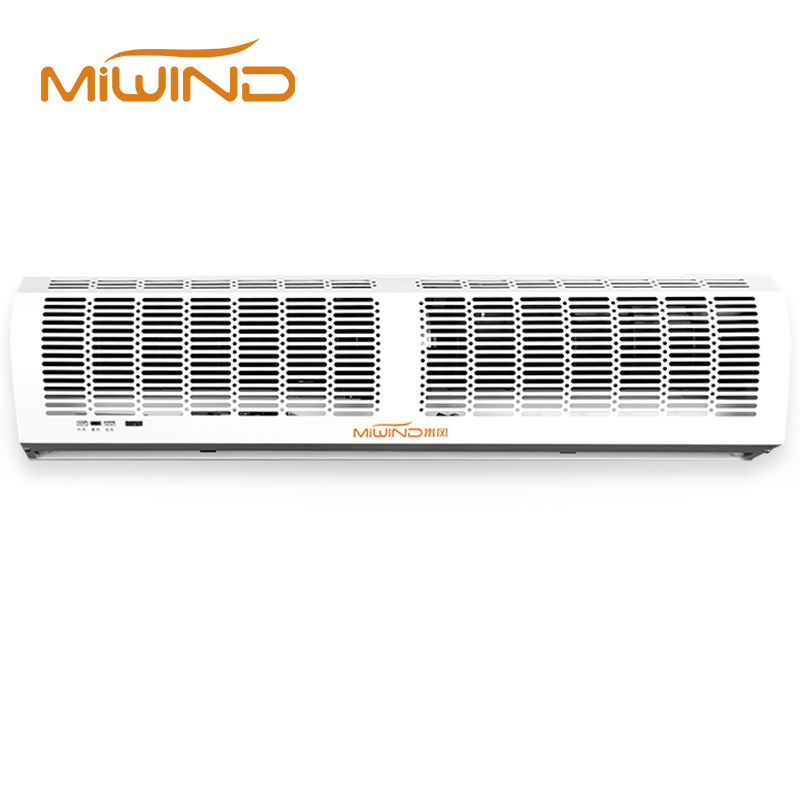
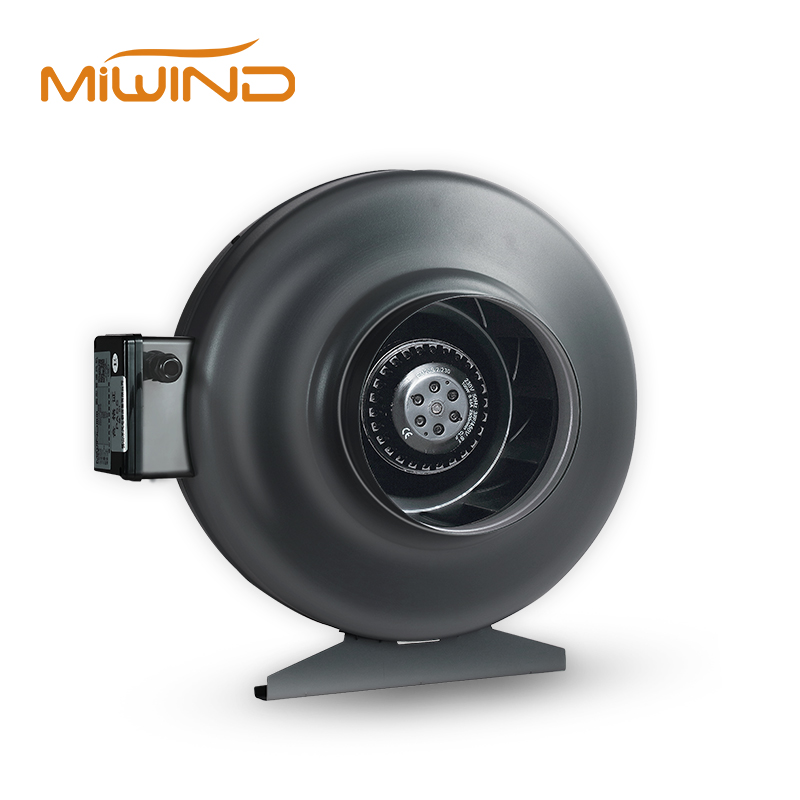
Fan category comes first because standards are not product marketing labels. A circular duct fan, wall exhaust fan, axial fan, centrifugal fan, air curtain fan assembly, or component fan may not be treated the same way in safety evaluation. Even within one commercial product family, model changes can affect evidence.
Buyers should define the product in procurement language before asking for documents. Useful questions include:
- Is the product a finished appliance, a component, or part of a larger system?
- Is it intended for household, commercial, industrial, or HVAC installation use?
- Is it ducted, wall-mounted, ceiling-mounted, portable, or built into equipment?
- What are the rated voltage and frequency?
- Does it include electronic speed control, remote control, heaters, sensors, or accessories?
- What destination market will require review?
IEC 60335-2-80 electric fan procurement becomes more reliable when the supplier and buyer agree on the category before collecting files. Otherwise, teams may exchange documents that look relevant but do not support the intended application.
IEC Relevance vs Certified Model Status
There is an important difference between a standard being relevant and a model being certified or tested to that standard. A product category may fall near the scope of IEC 60335-2-80, but that does not prove that a specific model has a certificate, CB test report, or current approval record.
Buyers should ask for exact evidence. A strong document request identifies the model ID, voltage and frequency, product family, certificate number if available, test report number if available, issuing body, issue date, and destination market need. If the supplier provides a family certificate, the buyer should confirm whether the ordered model appears on the certificate or its annex.
Procurement teams should also check whether the file is current for the configuration being supplied. Changes in motor supplier, PCB design, enclosure material, wiring, plug, heater option, or control system may affect the technical file.

The image above is a certificate-pack visual only. It should not be described as IEC, CB, or model-specific safety proof without matching documents.
How CB Scheme Documents May Reference IEC Standards
The IECEE CB Scheme is often used in international electrical product compliance because CB certificates and CB test reports can reference IEC standards. For buyers, CB documentation can be useful when planning multi-market procurement, but it should be understood correctly.
A CB certificate is not the same as automatic market access in every destination. Local deviations, national certification rules, importer obligations, labeling, factory inspection requirements, and additional standards may still apply. A buyer should treat CB documents as part of a technical evidence package, not as a universal approval shortcut.
When reviewing CB-related files, check the certificate number, issuing National Certification Body, product description, model list, ratings, standard edition, test report number, and any national differences or conditions. Also confirm that the certificate is connected to the same fan product being purchased.
If a buyer is planning an IEC 60335-2-80 electric fan route, the request should be precise: ask whether available CB certificates or test reports reference that standard for the requested model and rating. If they do not, ask what alternative documentation exists and what additional testing or review would be required.
Procurement Checklist for Fan Safety Documents
Before placing an order or issuing a supplier approval, procurement and engineering teams can use a short checklist:
- Fan category and intended use.
- Exact model ID and product family.
- Voltage, frequency, phase, and rated power.
- Installation type and environmental conditions.
- Control method, speed control, wiring, plug, and accessories.
- Destination market and importer requirements.
- Applicable safety route requested by the buyer.
- Certificate number, if available.
- Test report number, if available.
- Model list or annex confirming coverage.
- Label artwork and rating plate consistency.
- Manual, installation instructions, and warnings.
- Change-control process for critical components.
This checklist helps prevent a common sourcing problem: receiving a document pack that belongs to a similar fan, a previous generation, or a different rating.
How MIWIND Supports Technical File Review
MIWIND's role is to help buyers organize the technical review process. For fans, that means connecting the product category, model ID, voltage and frequency, destination market, and application to available files. MIWIND can help buyers identify which documents are already available, what evidence should be requested, and where certificate or test-report references need model-level confirmation.
This support should not be read as a claim that every MIWIND fan has IEC or CB coverage. It also does not confirm that IEC 60335-2-80 applies to every fan type or that a CB document guarantees destination-market acceptance. The correct route depends on product category, installation, configuration, and local requirements.
Use technical resources to start a document review, certificates for available compliance files, and products to identify the product family. To request IEC or CB support, open the inquiry modal through Contact Us and include fan category, model ID, voltage/frequency, destination market, intended application, requested IEC/CB route, certificate number if available, test report need, and approval deadline.
FAQ
Does IEC 60335-2-80 apply to every fan?
No. Applicability depends on product type, intended use, construction, ratings, and destination-market requirements. Buyers should verify scope before assuming the standard applies.
What should I request from a supplier?
Ask for model-specific evidence, including certificate number if available, test report number if available, model list, voltage/frequency ratings, issuing body, and the standard edition referenced.
Is a CB certificate enough for market access?
Not by itself. CB documents can support technical review, but local market rules, national deviations, labeling, importer obligations, and additional approvals may still apply.
Can MIWIND confirm IEC or CB documents for a fan model?
MIWIND can help organize available model-specific files and identify what evidence is needed. Buyers should provide the fan category, model ID, voltage/frequency, destination market, and approval deadline.
Next Step: Request IEC/CB Support
Open the inquiry modal through Contact Us. Include fan category, model ID, voltage/frequency, destination market, intended application, requested IEC/CB route, certificate number if available, test report need, and approval deadline.
Compare the duct fan range and exhaust fan range using the project's model and documentation requirements.