Inline Exhaust Fans for Equipment Rooms: What to Specify
Plan equipment-room exhaust from heat sources, air paths, duct resistance, controls, service access and safety requirements.
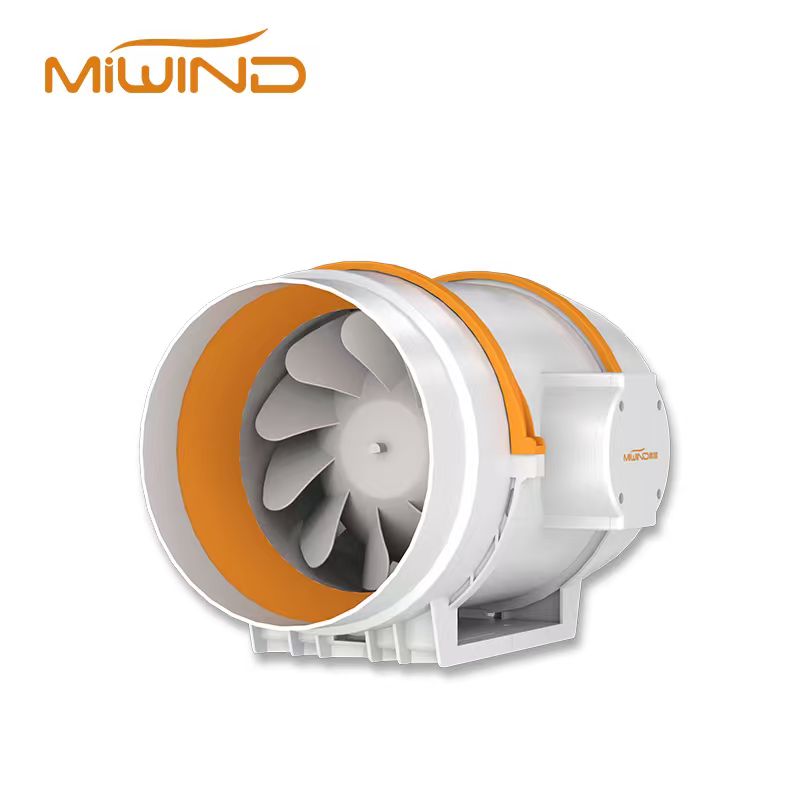
An inline exhaust fan equipment room review starts with heat, air path, and duct reality. AV closets, electrical rooms, control cabinets, small server closets, and equipment rooms often fail because the heat source is understood, but the intake path, exhaust route, duct resistance, and noise limits are not written into the fan inquiry.
This guide is for OEM buyers, HVAC and MEP engineers, electrical contractors, distributor technical sales teams, facility managers, and retrofit teams preparing an equipment-room exhaust fan request. MIWIND can discuss equipment room exhaust fan options, the inline duct fan series for compact duct runs, ventilation solutions by application, and project details sent through Contact Us.
Exact CFM, static pressure, acoustic data, electrical details, temperature-reduction expectations, enclosure ratings, listings, hazardous-location suitability, battery-room requirements, fire or smoke control, life-safety ventilation, and code compliance must be reviewed against project documents and product documentation.
Why Equipment Rooms Overheat Before Fan Selection
Heat sources, device load, and target temperature concern
Equipment rooms overheat when electrical devices, network equipment, AV racks, drives, transformers, controls, chargers, or cabinet components release heat into a small space faster than the room can remove it. The useful first question is not "which fan size?" It is "what heat load and target condition are we trying to manage?"
nVent TRACHTE's equipment-room HVAC sizing article is useful background because it frames equipment-room cooling around heat-producing equipment and environmental requirements. For a MIWIND inquiry, buyers should send the device list, estimated watts if available, room volume, cabinet count, and the temperature concern that triggered the project.
An inline fan can help move hot air out of a room or enclosure. It does not create cooling capacity like an air conditioner, and it cannot protect sensitive equipment if the replacement air is too hot, dirty, humid, or restricted.
Map the Air Path Before Choosing an Exhaust Fan
Intake path, exhaust route, and short-circuit airflow risks
An exhaust fan only works if replacement air can enter. In a closet, cabinet, or electrical room, the intake may be a door grille, transfer opening, louver, undercut, adjacent room path, or planned outdoor-air path. If the intake is missing or too restricted, the fan may run loudly and still fail to move enough air.
Short-circuit airflow is another common problem. If the intake opening is too close to the exhaust pickup, cool air can travel directly to the fan without sweeping across the heat source. The room may still have hot pockets around equipment racks or cabinets.
AC Infinity's closet and room fan systems and CLOUDLINE T8 product page show how the category often combines closet heat removal, ducted fan placement, and environmental control language. MIWIND selection should still be based on project data and MIWIND product documentation.
When an Inline Exhaust Fan Fits Equipment Room Duty
AV closets, electrical rooms, control cabinets, and compact duct runs
An inline exhaust fan may make sense when the project has a defined exhaust route, enough intake air, a manageable duct path, and a heat-removal goal that can be handled by ventilation. Typical discussion contexts include AV closets, compact equipment rooms, electrical closets, network cabinets, control cabinets, and small utility rooms where heat must be moved to a permitted discharge path.
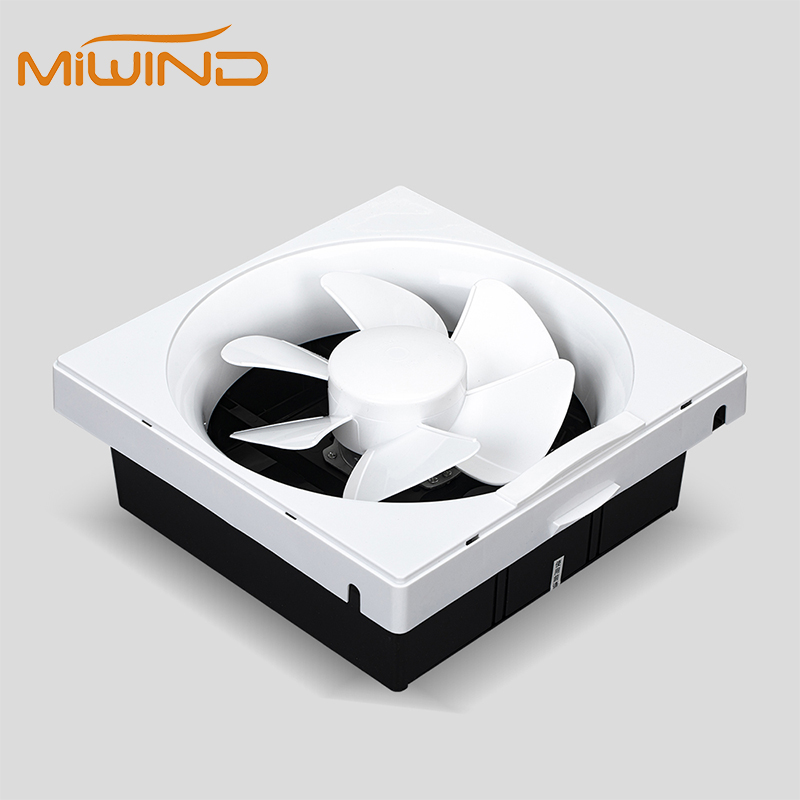
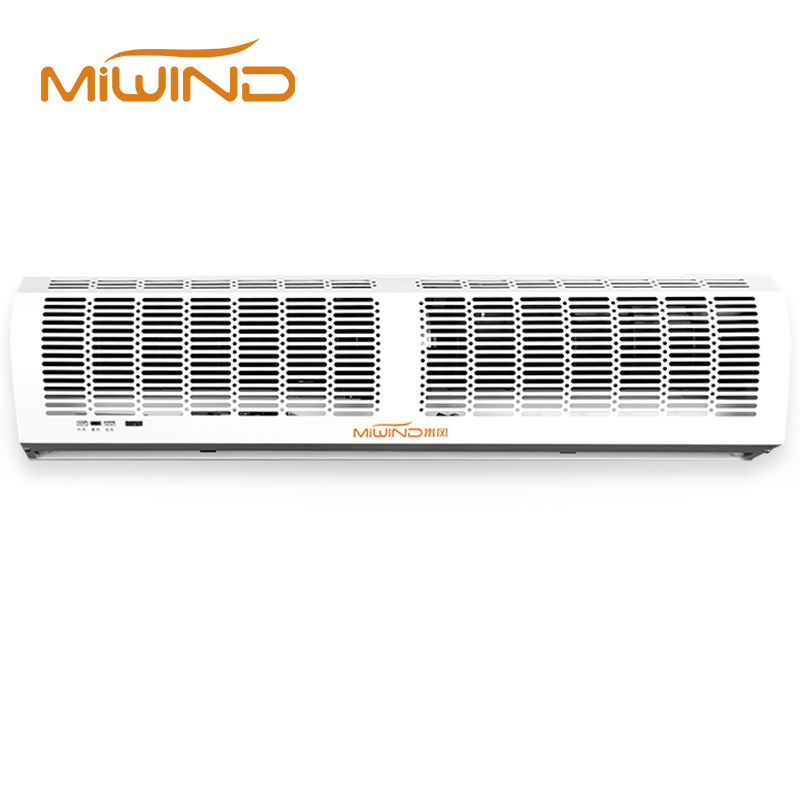
MIWIND's exhaust fan route covers exhaust fan products for bathrooms, kitchens, workshops, cabinets, electrical cabinet cooling, and public-space ventilation. That makes it the right first route when the project is mainly removing heat or stale air from a defined technical space.
If the installation needs an inline ducted product, compact duct routing, cabinet ventilation discussion, or fresh-air related options, the inline duct fan series for compact duct runs is the stronger product-family path.
Duct Inputs That Change Installed Airflow
Diameter, length, elbows, grilles, filters, and static pressure
The fan cannot be separated from the duct. A short, straight exhaust route with a generous grille behaves differently from a long duct with tight elbows, small diameter, screens, filters, backdraft dampers, or an obstructed outlet.
Greenheck's fan system effects article is a useful engineering reference because it explains why real inlet and outlet conditions can change fan performance compared with ideal test conditions. Greenheck's SQ inline fan page also shows the market pattern of specifying inline fans with installation and performance context.
For related selection details, see the inline fan static-pressure guide, fan-curve guide, and fan placement guide. This article focuses on equipment-room heat and airflow inputs.
Control and Noise Questions for Facility Teams
Temperature control, speed preference, access, and occupied-room noise
Specify the expected control sequence: continuous operation, operation with the equipment, thermostat control, or a building-management signal. Confirm the sequence with the project designer and the selected fan documentation before wiring.
Noise matters when the equipment room is near offices, conference rooms, classrooms, hotel areas, retail counters, or homes. Noise can come from fan speed, duct velocity, vibration transfer, grille restriction, or the outlet path. The inquiry should identify where noise is sensitive: inside the room, at the fan body, through the duct outlet, or in the occupied area nearby.
Maintenance access belongs in the same request. A fan hidden above a ceiling or inside a cramped cabinet may be hard to service. Send access dimensions, photos, and any filter or dust-control expectation before asking for product guidance.
MIWIND Routing for Equipment-Room Ventilation
Exhaust fan options vs inline duct fan series
The practical routing is simple:
- Use equipment room exhaust fan options when the project is mainly exhaust from a cabinet, electrical closet, workshop-adjacent room, utility room, or public-space technical area.
- Use the inline duct fan series for compact duct runs when the fan must sit inside a duct route or support compact ducted ventilation.
- Use ventilation solutions by application when the project belongs to a broader facility, OEM, distributor, hotel, public-building, or industrial-site application.

This routing keeps the article useful without pretending that one visible fan picture can solve every equipment-room heat problem.
FAQ
Can an inline fan replace air conditioning in an equipment room?
No. An inline exhaust fan can help remove warm air when the intake and exhaust path are planned correctly. It does not add cooling capacity, control humidity by itself, or replace precision HVAC for sensitive equipment.
What should I send before asking for a recommendation?
Send the room type, equipment list, heat estimate if available, room dimensions, target temperature concern, required airflow if calculated, duct diameter, duct length, elbow count, exhaust route, intake path, noise sensitivity, access limits, voltage or control preference, buyer role, country, quantity, and timeline.
Is this suitable for battery rooms, hazardous rooms, or smoke exhaust?
Battery rooms, hazardous locations, fire or smoke control, life-safety ventilation, and code-regulated electrical spaces need project-specific engineering and verified product documentation.
Next Step
Use request an equipment-room fan recommendation when the project inputs are ready. The best equipment-room fan inquiry includes both the heat problem and the air path, so MIWIND can review whether the exhaust fan route, inline duct fan route, or a broader solution discussion is the right starting point.