Restaurant Make-Up Air and Exhaust: Draft and Smoke Diagnosis
Use hard doors, drafts, smoke spillage and operating patterns to prepare a restaurant exhaust and replacement-air review.
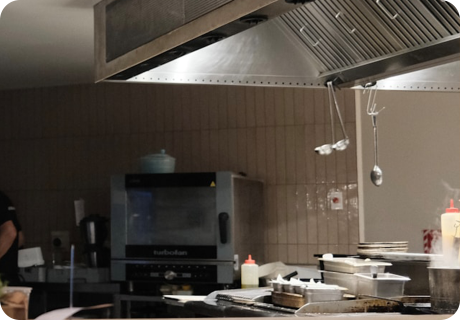
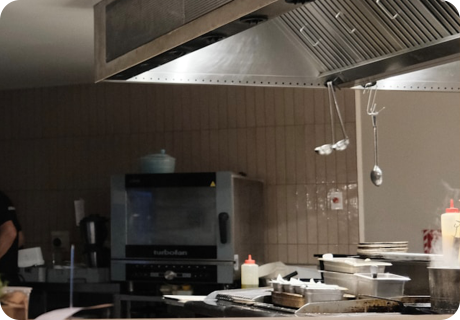
Hard doors, inward drafts, smoke spillage, weak hood capture, and odor movement can point to a restaurant airflow problem. Before changing exhaust equipment, check how kitchen exhaust, replacement air, HVAC supply, doors, and operating schedules interact.
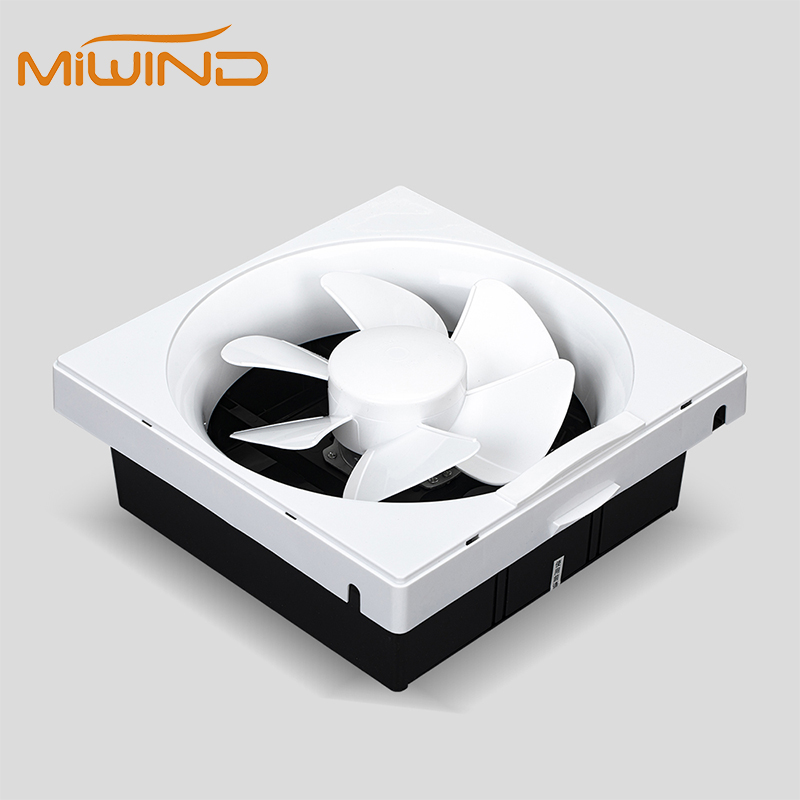
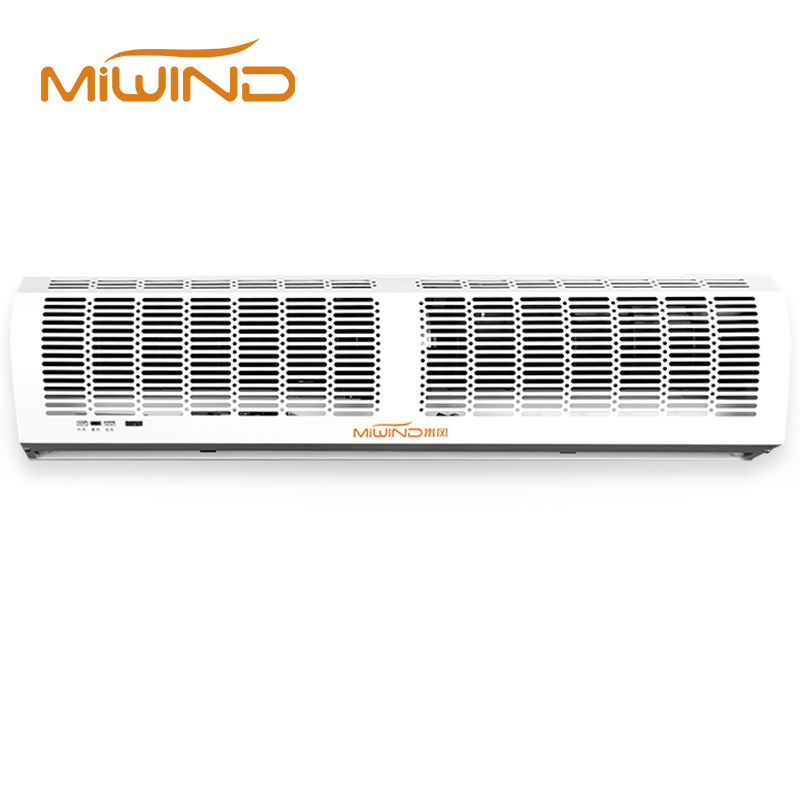
This article is for restaurant owners, facility managers, HVAC service teams, franchise operators, foodservice contractors, and buyers deciding whether to upgrade exhaust equipment, review make-up air, or add entrance airflow support. MIWIND can discuss restaurant exhaust fan options, the kitchen exhaust ventilation solution, restaurant ventilation solution examples, the MIWIND Exhaust Fan Series, and air curtains for entrance comfort.
Use this article as a symptom map before changing equipment. Complete make-up-air system design, building balance calculations, smoke-capture verification, pressure diagnosis, and code review should be handled by qualified mechanical professionals. MIWIND can help organize the exhaust fan, kitchen airflow, and doorway air-curtain discussion once the site symptoms and project documents are clear.
Symptoms of Poor Exhaust and Make-Up Air Balance
Restaurant pressure problems usually show up through daily annoyances before anyone measures airflow. Staff feel the symptoms first.
Hard Doors and Pressure Complaints
If doors become hard to open when the hood runs, the building may be pulling air inward through the easiest openings. The front door, back door, delivery entrance, service window, and wall gaps can become unplanned make-up air paths.
Look for:
- Doors that pull inward or slam shut during peak cooking.
- Air rushing through cracks, sweeps, or frames.
- Whistling around doors or windows.
- Staff propping doors because they are hard to operate.
- Entrance comfort complaints that appear when kitchen exhaust is active.
The core issue is straightforward: when exhaust removes air and replacement air is not planned, negative pressure can affect exhaust performance and door behavior. Document when the hard-door symptom appears, what exhaust equipment is running, and whether any supply or transfer-air path is operating at the same time.
Smoke Spillage and Weak Capture
Smoke spillage, cooking odor in the dining area, and weak hood capture can have several causes. The exhaust fan may be dirty or underperforming. The hood may be poorly matched to the appliance duty. Cross-drafts may disturb capture. Make-up air may be off, blocked, or delivered in the wrong place.
Ask when the symptom appears:
| Symptom | Useful observation |
|---|---|
| Smoke rolls out of the hood | Does it happen at startup, during peak cooking, or only with certain appliances? |
| Odor reaches dining or service areas | Is the exhaust path weak, or is transfer air pulling odors across rooms? |
| Hood feels weak | Is the fan dirty, belt-driven and slipping, blocked, or fighting high static pressure? |
| Staff feel strong drafts | Is make-up air too cold, too concentrated, or entering near the cookline? |
Treat kitchen ventilation as a group of connected parts: exhaust, make-up air, hoods, controls, HVAC supply, doors, and staff routines.
Drafts, Insects, and Entrance Discomfort
A restaurant pressure complaint may include insects, street odor, dust, or a weak doorway air curtain. That does not mean the doorway product is the only issue. If the kitchen is strongly negative, the entrance may be pulled into the exhaust system's replacement-air path.
For hood position, overhang, and cross-draft questions, see kitchen hood capture and containment. For general replacement-air planning, read make-up air for exhaust fans.
Why Exhaust Fans Can Create Negative Pressure
A kitchen exhaust fan removes air from the building. That is the point of the system. The problem begins when the removed air is not replaced through planned make-up air, transfer air, or controlled supply. The restaurant then borrows air from doors, windows, dining rooms, ceiling gaps, and neighboring zones.
Restaurant exhaust and replacement air need coordination. A fan upgrade, hood service, make-up air review, and doorway air-curtain discussion should use the same symptom map instead of being treated as separate complaints.
Common pressure drivers include:
- Exhaust fan capacity increased without reviewing supply air.
- Make-up air unit turned off, undersized, poorly located, or uncomfortable.
- Filters, belts, dampers, or ducts reducing installed exhaust performance.
- Seasonal HVAC modes changing how air moves between kitchen and dining areas.
- Open back doors, service windows, or patio entrances creating new pressure paths.
- Multiple hoods, restrooms, dryers, or other exhaust systems running together.
MIWIND's kitchen exhaust ventilation solution can support the exhaust-path and equipment discussion. Building pressure correction still depends on the complete HVAC and make-up-air design.
What to Check Before Changing Fan Capacity
Do not automatically order a larger exhaust fan because the kitchen feels smoky. More exhaust can help only if the rest of the system can support it. It can also make negative pressure worse if replacement air is already short.
Fan Condition, Duct Blockage, and Filters
Start with maintenance:
- Is the exhaust fan clean and operating normally?
- Are belts, bearings, motors, guards, and wiring in good condition?
- Are filters, hood baffles, duct access points, or discharge openings dirty or blocked?
- Is the discharge path restricted by weather caps, louvers, dampers, or roof conditions?
- Has the system changed since the original design?
The MIWIND Exhaust Fan Series can be reviewed after the existing fan condition, installation format, and exhaust duty are clear. Product selection should not hide a dirty or obstructed system.
Make-Up Air Paths and Building Pressure
Make-up air should enter in a way that supports hood capture and comfort. If it enters too fast, too cold, too close to the hood, or through a door, it can create new complaints.
Collect:
| Check | What to note |
|---|---|
| Make-up air equipment | Is there a unit, supply fan, transfer path, or fresh-air opening? |
| Operating sequence | Does make-up air run whenever exhaust runs? |
| Supply location | Does air enter near the hood, dining area, ceiling, back door, or service corridor? |
| Comfort impact | Are staff cold, hot, or in a strong draft? |
| Pressure clues | Hard doors, inward drafts, odor migration, air curtain stream bending, or whistling gaps. |
If the restaurant has no known make-up air strategy, involve an HVAC or mechanical contractor before increasing exhaust fan capacity.
Seasonal HVAC and Entrance Conditions
Restaurant airflow changes with weather and operation. A doorway may feel acceptable in mild weather and uncomfortable in winter or summer. Patio doors, pickup windows, and delivery entrances can add pressure paths. Dining HVAC may also interact with kitchen exhaust.
Use photos and short videos to show:
- Door behavior with exhaust on and off.
- Air curtain stream behavior at the entrance.
- Smoke or odor path during peak cooking.
- Which doors or windows are open during service.
- Staff drafts at the cookline, pickup counter, or host area.
Where Air Curtains Help and Where They Do Not
An air curtain can support entrance comfort and separation at a doorway. It may reduce outdoor air movement, insects, dust, or drafts at an active opening when installed and selected correctly. In restaurants, that can be valuable because doors open often for staff, customers, deliveries, trash routes, or pickup service.
But an air curtain does not:
- Replace make-up air.
- Balance restaurant pressure.
- Fix smoke spillage from poor hood capture.
- Remove grease, odor, or cooking contaminants.
- Guarantee insect control.
- Correct an undersized, dirty, or restricted exhaust system.
- Replace HVAC, pest-control, sanitation, or code review.
If the entrance complaint appears only when the kitchen exhaust runs, review the exhaust and make-up air context first. Then discuss whether air curtains for entrance comfort should be part of the final project.
How to Discuss Exhaust Fan Upgrades With MIWIND
Use MIWIND when the restaurant needs a clearer product path and better quotation inputs. A useful request is:
"We have hard doors, drafts, or weak smoke capture. Please review the exhaust fan side together with make-up air and entrance comfort conditions."
Send:
- Kitchen appliance list and hood details.
- Existing exhaust fan type, location, photos, age, and maintenance condition.
- Duct route, discharge point, visible restrictions, and cleaning history.
- Make-up air equipment or fresh-air notes.
- Door, entrance, service window, and air curtain symptoms.
- When symptoms happen: startup, lunch rush, dinner rush, weather changes, or all day.
- Required catalogs, technical files, or project documents.
Use technical resources, downloads, and Contact Us after the symptom evidence is clear.
FAQ
What is an exhaust and make-up air balance problem?
It is a balance issue where kitchen exhaust removes air and the building does not replace it through planned, comfortable paths. Symptoms may include hard doors, drafts, smoke spillage, weak capture, and entrance discomfort.
Will a larger exhaust fan stop smoke spillage?
Not always. The hood, duct, fan condition, static pressure, make-up air, cross-drafts, and appliance duty must be reviewed. A larger fan can worsen negative pressure if replacement air is short.
Can an air curtain fix restaurant negative pressure?
No. An air curtain can support doorway comfort and separation, but it cannot replace make-up air, balance pressure, or fix hood capture. It should be considered after the exhaust and pressure context is understood.
What should I send before asking MIWIND for help?
Send appliance and hood details, existing fan photos, duct route, make-up air notes, door symptoms, air curtain complaints, timing of the issue, and required documents.
Next Step
Use Contact Us to share your restaurant pressure symptoms. Send kitchen exhaust details, make-up air notes, door behavior, smoke or odor complaints, air curtain context, fan photos, duct route, maintenance notes, and any project documents.