A certification file is only useful when it can be tied to the exact model on the quote. Ventilation product certification documents need to confirm model code, variant, voltage, heater option, control version, applicable standard, report number, certificate holder, validity date, and label consistency — miss any one of these, and the buyer is left holding a document that proves nothing about the SKU actually being ordered.
This guide is written for OEM/ODM buyers, compliance coordinators, importers, distributors, and purchasing teams preparing ventilation RFQs. Where MIWIND can help, buyers can go directly to downloads, certificates, OEM/ODM service, or Contact Us.
Scope note: nothing in this article should be read as a claim of CE, CB, RoHS, AMCA, or notified-body approval, certificate validity, test-report coverage, EU market-entry approval, legal compliance, or label approval for any MIWIND model. Every document referenced here must be verified against the specific product quoted.
Start With Certificate-To-SKU Matching
Model code and variant
Before anything else, confirm which model codes, lengths, voltages, heater options, controls, and accessories the certificate actually covers. A certificate listing only a "family name" isn't enough — request the full model coverage list. If the product is being sold under a private label, ask the supplier to map the buyer's SKU directly to the underlying factory model number.
Holder, lab, standard, and date
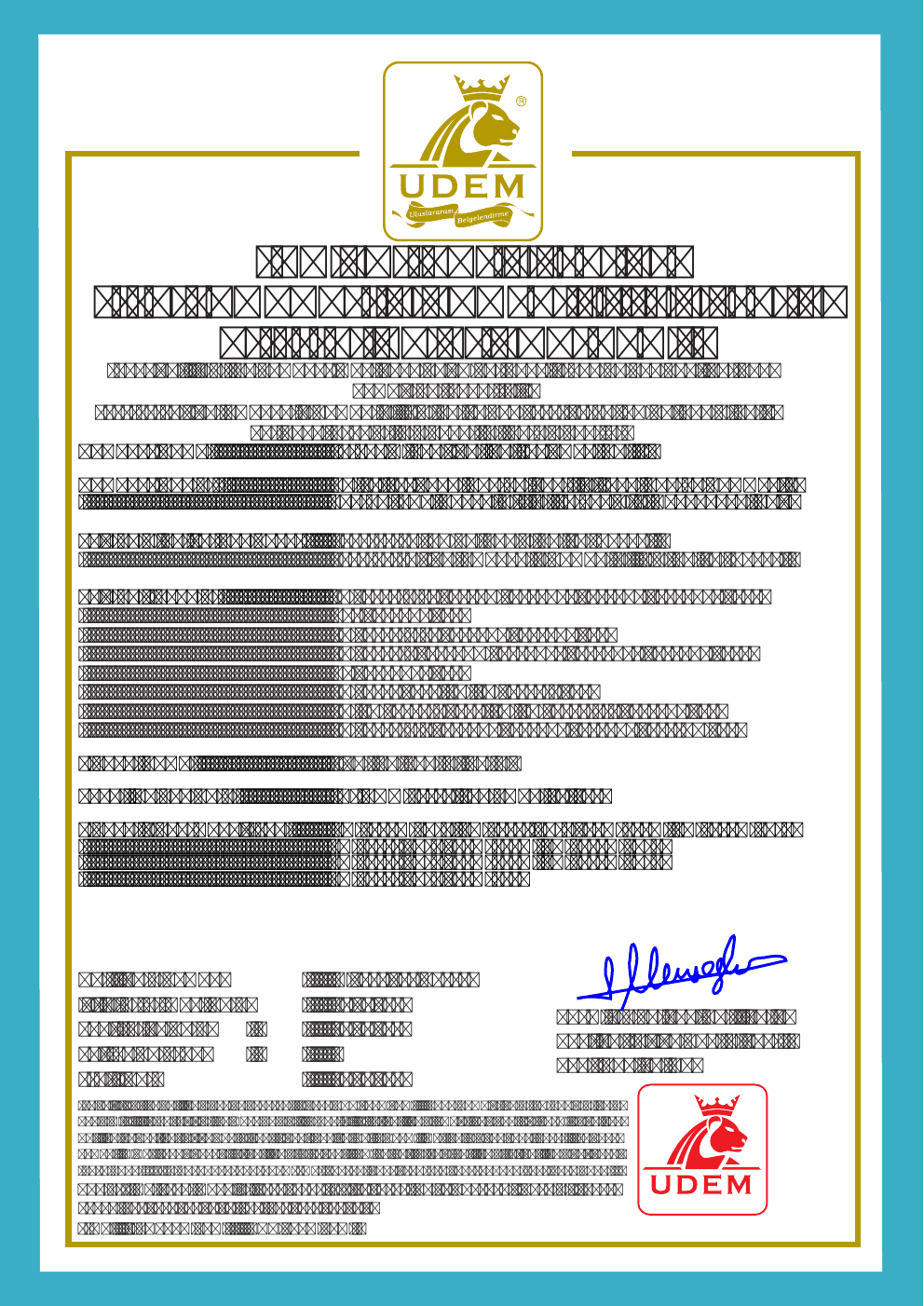
Every certificate file should carry five identifying details: the certificate holder, the issuing lab or body, the report number, the standard version tested against, and the issue date (plus expiry or renewal notes where applicable). A cropped screenshot with no visible report number or model scope isn't sufficient evidence for a serious RFQ comparison — treat it as incomplete until the supplier fills the gap.
Cross-check these fields against the ventilation fan spec sheet checklist so the technical spec and the certificate tell the same story.
Buyers evaluating multiple suppliers should build a simple file register before comparing anything: certificate name, file date, model code, covered variants, report number, issuer, standard, label match, and any open questions. This turns a stack of PDFs with inconsistent naming conventions into something the team can actually compare side by side.
CE, CB, RoHS, And AMCA Questions
CE marking
Under EU rules, the manufacturer carries responsibility for identifying applicable requirements, preparing technical documentation, issuing the Declaration of Conformity, and determining whether notified-body involvement is required — see the EU's own CE marking guidance for the underlying framework. This article stops short of determining CE applicability for any specific MIWIND model; that determination belongs to the manufacturer and, where required, the notified body.
What a buyer can reasonably request: the Declaration of Conformity itself, the directives or regulations it references, the standards list, the model list it covers, label photos, and confirmation that a technical file exists.
CB Scheme
Intertek's CB Scheme overview frames CB as an international testing and certification system rather than a single national mark. In practice, the useful buyer request is to pair the certificate with its underlying test report, then confirm voltage, plug type, national deviations, and model coverage line up with the quote.
RoHS
The European Commission's RoHS Directive page sets out the official restrictions on hazardous substances in electrical and electronic equipment. A buyer's job here is narrower: ask whether the supplier holds a RoHS declaration or material evidence tied specifically to the quoted product, not to the product line in general.
AMCA
AMCA maintains a clear line between certified listings and general performance claims — its certification program page and air curtain certified product directory both make this distinction explicit. Before relying on an AMCA reference, check whether the exact quoted model appears in the directory, not just the product category.
Document Mismatch Red Flags
A handful of patterns show up repeatedly during RFQ document review, and each one is worth pausing on rather than waving through:
- The quoted model doesn't appear in the certificate's coverage list.
- Voltage or frequency on the certificate doesn't match the label or the quote.
- The certificate holder is a different entity than the supplier, with no explanation given.
- Files are undated or the validity period has lapsed.
- Certificate pages are cropped in a way that removes the report number.
- A private-label model has no documented link back to the factory code.
- The test report covers a "similar" model rather than the exact one quoted.
- A RoHS or CE claim is made with no declaration or technical file backing it up.
When one of these surfaces, the answer isn't to soften or reword the claim for a buyer catalog — it's to go back to the supplier for clarification, updated files, or model-specific confirmation. Some of these are quick fixes, like tracking down a missing report number. Others take longer. Either way, resolve it before the claim goes anywhere near a public-facing catalog.
On the distributor side, it helps to assign clear ownership: compliance interprets the certificate itself, purchasing chases the supplier for missing documents, marketing controls how the claim is worded in catalog copy, and logistics handles what customs actually requires at import. Without this split, the same document question tends to resurface in every single order cycle.
MIWIND Certification File Checklist
When requesting documentation from MIWIND, it's worth asking for the following as a set, rather than piecemeal:
- Which certification files apply to the exact quoted model — not the product family.
- A model coverage matrix broken down by size, voltage, heater, control, and accessory.
- The certificate copy, declaration, test report, report number, issuing lab or body, and standards version.
- Product-label photos, checked against the physical nameplate.
- Private-label model mapping, if the buyer is ordering under a distributor code.
- RoHS declaration or supporting material evidence.
- Confirmation of the AMCA directory record, if certified performance is a requirement.
- Validity date, renewal status, and current file version.
It's also worth asking how these files should be stored and shared internally. Sales, compliance, customs brokers, and ecommerce teams often need different summaries or file names for their own workflows — but every version should still trace back to the same original model and report, so nothing gets disconnected from its source document over time.
For related reading once this article is live, see the CE technical file guidance, the CB Scheme and CE/UL comparison, and the RoHS documentation guide.
FAQ
What are ventilation product certification documents?
They're the full set of files — certificates, declarations, test reports, labels, standards references, model coverage tables, and technical documentation — used to verify that a quoted product matches its claimed compliance status.
Can a certificate for one model cover another model?
Not by default. Model coverage, voltage, variant, control option, standard, report number, and any private-label mapping all need to be confirmed before a buyer relies on someone else's certificate for their own SKU.
Does this article prove MIWIND CE, CB, RoHS, or AMCA coverage?
No. This is a buyer-side checklist, not a certification claim. MIWIND's actual coverage depends entirely on the specific model being quoted.
Why check certificate files before samples or bulk orders?
Because gaps in documentation surface later at the worst possible moments — during RFQ comparison, customs review, catalog publishing, or when a customer asks a question the sales team can't answer. Catching them before order approval is simply cheaper.
Next Step: Check Certificate Files
Start with check certificate files or go straight to contact MIWIND with this checklist in hand. Accurate ventilation product certification documents only reduce RFQ risk when each claim is anchored to a model-level file — not a product-family reference.