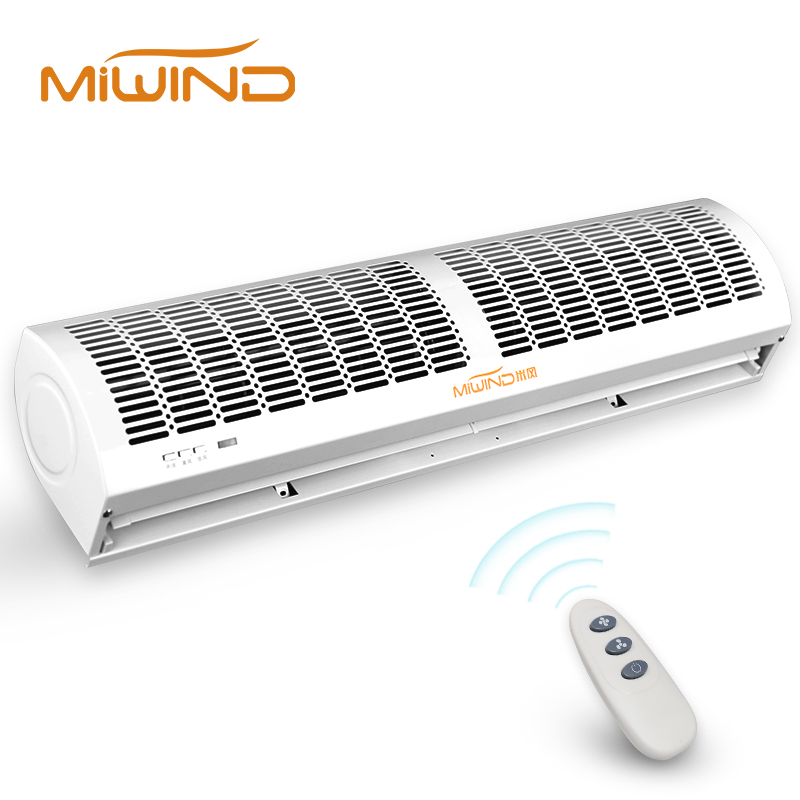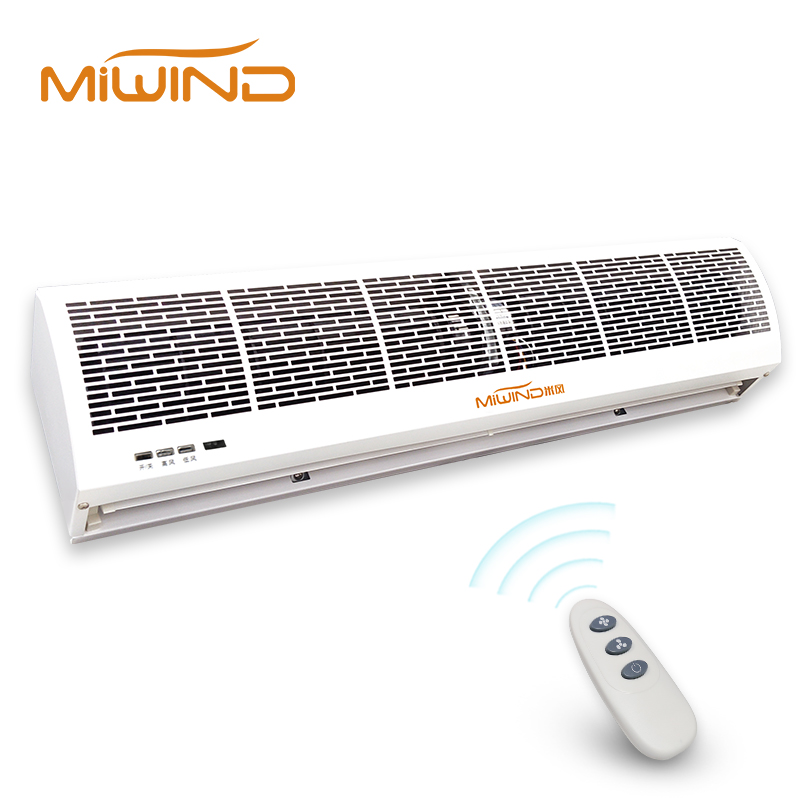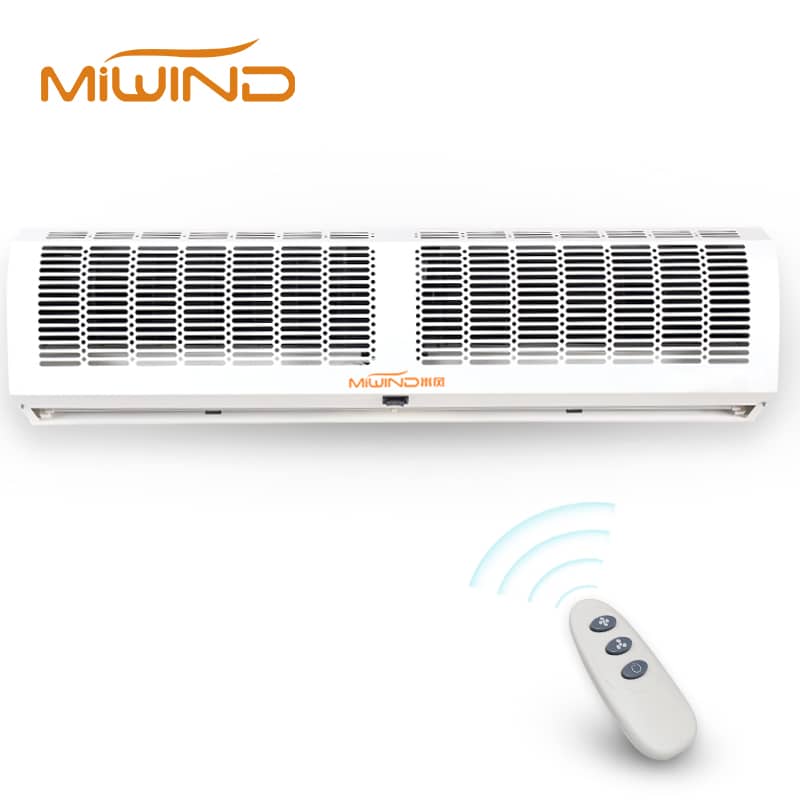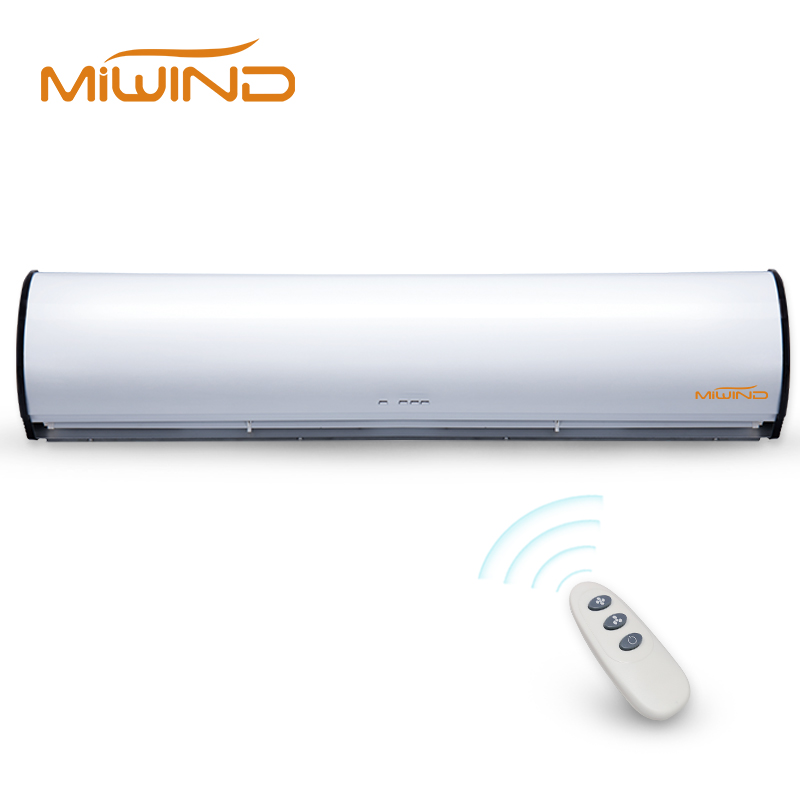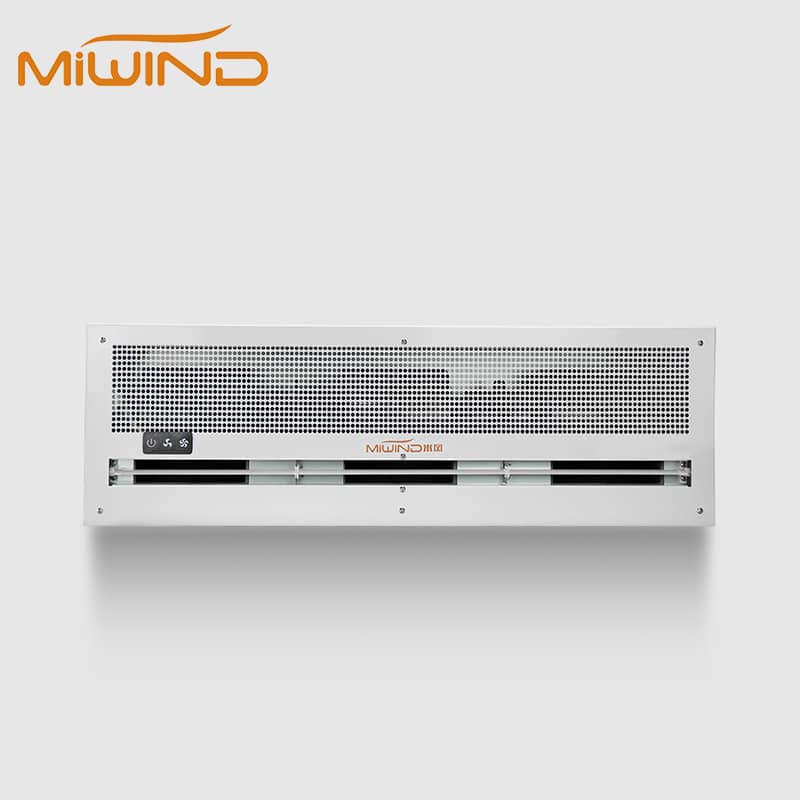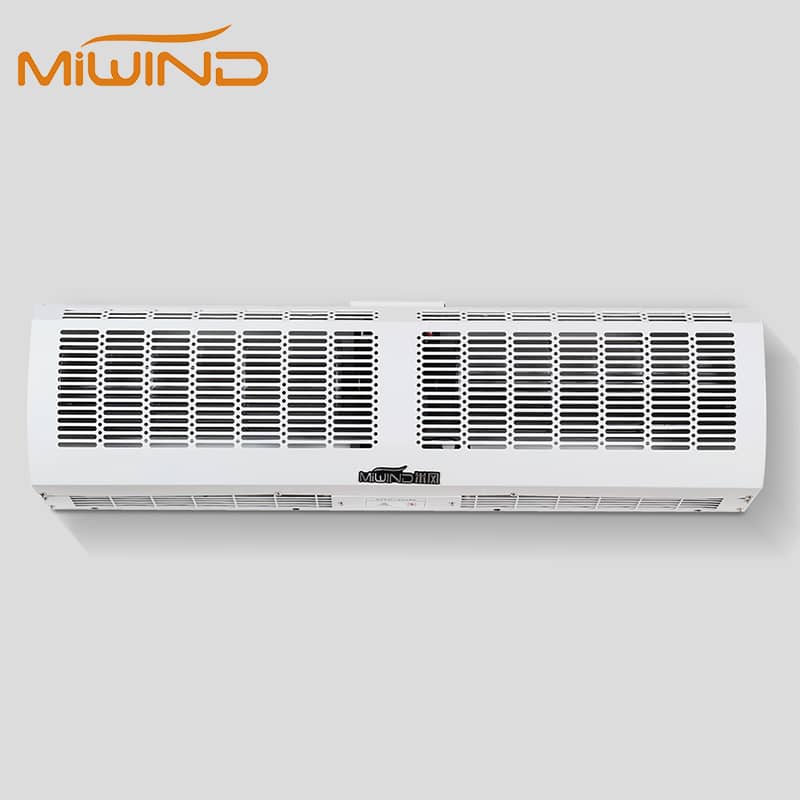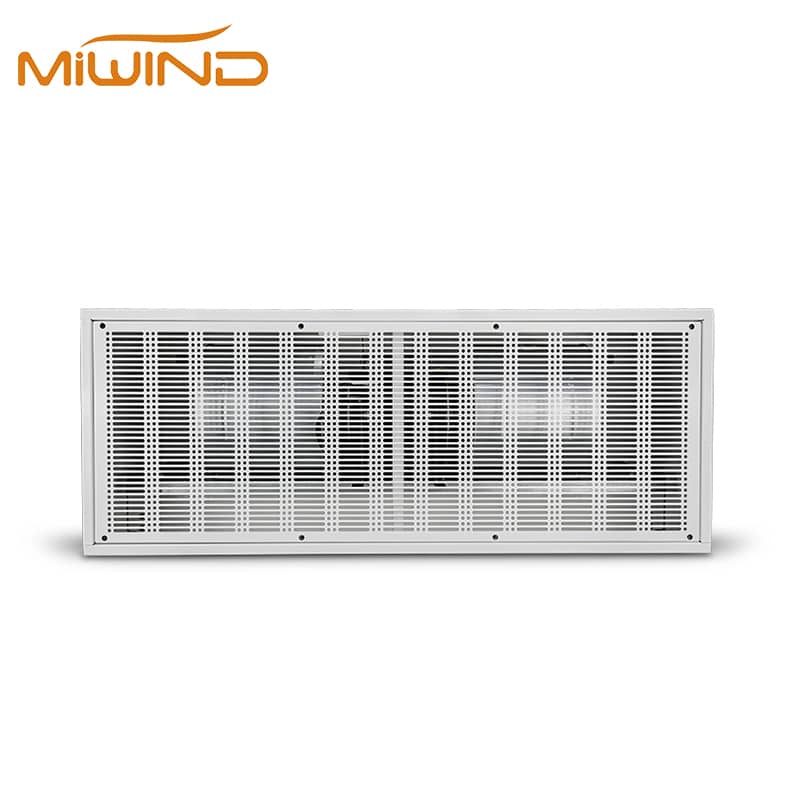
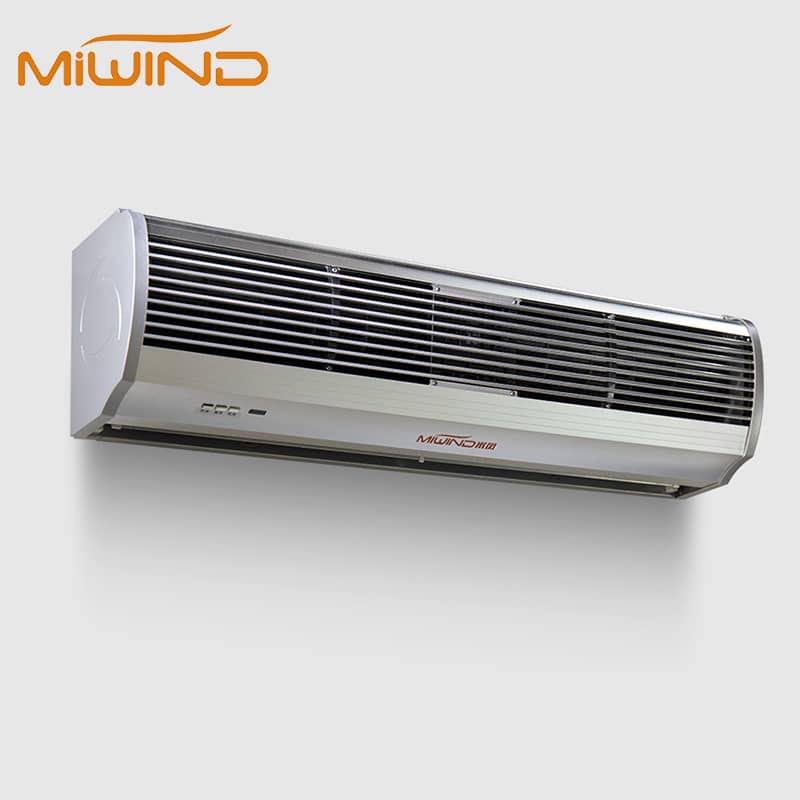
Air curtains, also called air doors, are devices designed to create an invisible air barrier across entrances. A correctly designed and installed air curtain can be used to prevent cold air from escaping and warm air from entering, making them highly effective for cold storage, retail, and restaurant applications. This technology is particularly useful in maintaining temperature control, especially in environments where cold air needs to be preserved. In this article, we will explore how air curtains function, their benefits in keeping cold air out, and considerations for their effective use.
Air curtains are fan-powered devices that blow a controlled stream of air across a doorway. They answer common questions such as "do air curtains work," "do air curtains keep bugs out," and "do air curtains save energy" while maintaining temperature control and hygiene. This stream of air acts as a barrier that separates two different environments—typically the conditioned indoor air from unconditioned outdoor air. They are commonly used in commercial buildings, warehouses, and cold storage facilities to prevent the mixing of indoor and outdoor air.
Air curtains operate by pulling air from the interior space and accelerating it through a narrow discharge along the length of the curtain. The resulting laminar airflow creates a barrier that minimizes the exchange of air, addressing concerns like "do curtains block air flow" and ensuring that the curtain functions as intended in cold storage or commercial environments. The effectiveness of an air curtain is influenced by several factors:
Velocity: The speed at which the air is blown out is crucial. Higher velocities can better block out unwanted external air.
Discharge Angle: Adjusting the angle of the airflow can optimize performance by ensuring that the stream reaches the floor without losing pressure.
Installation Position: Proper positioning above doorways enhances effectiveness by minimizing gaps where outside air can infiltrate.
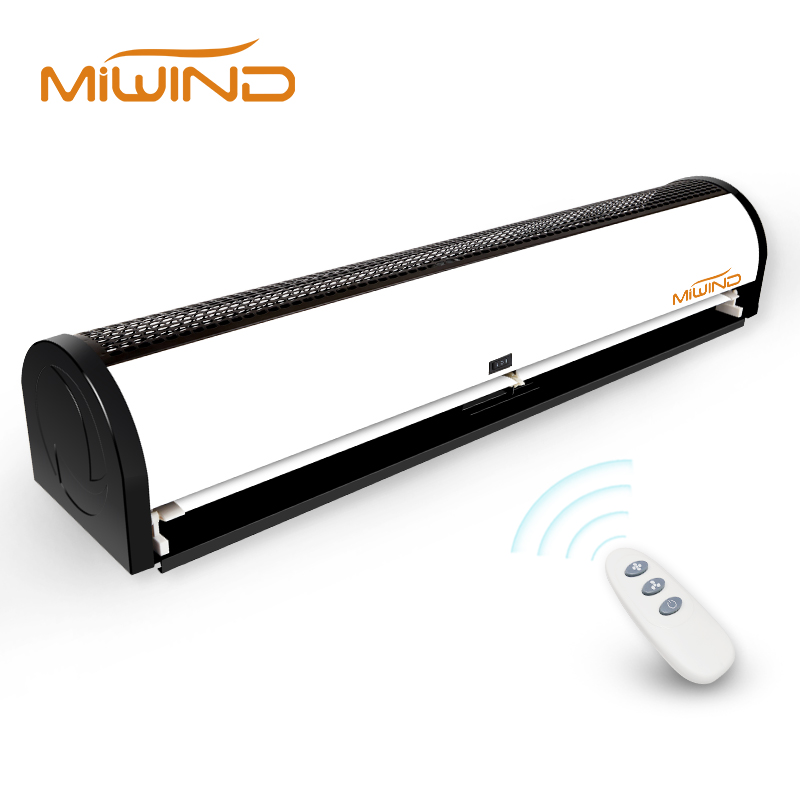
Air curtains offer multiple benefits for maintaining indoor temperatures and controlling airflow, particularly in cold storage facilities and commercial spaces:
While air curtains offer significant benefits, they are not without limitations:
Imperfect Sealing: Unlike solid doors that completely seal off an opening, air curtains cannot entirely eliminate airflow between environments. Typically, they allow for some air exchange—about 20% under certain conditions—so while air curtains are effective, they do not create a perfect seal. This addresses concerns like "are air curtains effective" and "do air curtains really work."
Energy Consumption: Although they save energy overall by reducing HVAC load, air curtains themselves require electricity to operate. Depending on usage patterns and climate conditions, this can lead to increased energy costs if not managed properly.
Noise Levels: Some models may produce noticeable noise during operation, which could be disruptive in quieter environments such as offices or healthcare facilities.
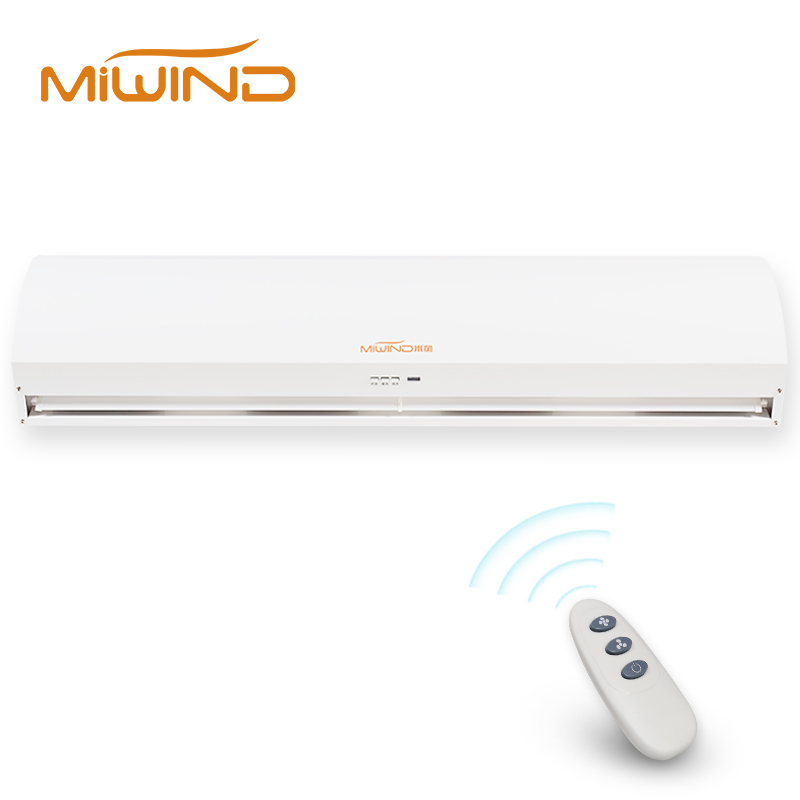
To maximize the effectiveness of air curtains in keeping cold air out, consider the following best practices:
Proper Sizing: Choose an air curtain that fits your doorway correctly. Curtains that allow air flow should be avoided for cold storage or energy-sensitive areas to ensure maximum effectiveness.An undersized unit may not provide sufficient airflow to create an effective barrier.
Regular Maintenance: Keep filters clean and perform routine checks on the unit to maintain optimal performance. Neglected units can become less effective over time.
Strategic Placement: Install the curtain as close to the entrance as possible to minimize gaps where outside air can enter.
Monitor Performance: Regularly assess how well the curtain is performing in terms of energy savings and temperature maintenance. Adjust settings as needed based on seasonal changes or operational demands.
When looking for an effective solution like an air curtain for retail, selecting a reliable cross flow air curtain manufacturer is crucial. MiWind stands out as one of the best air curtain companies in the industry. With a focus on quality and innovation, MiWind offers a range of products tailored to meet various commercial needs. Our expertise as a cross flow air curtain manufacturer ensures that you receive high-performance solutions designed specifically for your environment. Additionally, MiWind operates its own factory, allowing for better quality control and customization options for clients seeking specific solutions.
In conclusion, air curtains are effective tools for controlling airflow and keeping cold air out, whether in cold storage, commercial, or restaurant settings. They save energy, improve comfort, and prevent pests, answering common questions like "do air curtains really work" and "are air curtains effective." When correctly designed and installed, air curtains are a practical and reliable solution for maintaining indoor climate and hygiene. By creating an invisible barrier at doorways, they help maintain stable indoor temperatures and reduce energy costs associated with heating and cooling systems. However, it is essential to understand their limitations and implement best practices to ensure optimal performance. When used correctly, along with products from trusted manufacturers like MiWind, which specializes in both retail and restaurant applications, air curtains can significantly contribute to sustainable operational practices in commercial settings.