Air Curtain Dust Control for Warehouse Door Openings
Assess warehouse doorway dust intrusion by checking airflow direction, wind, building pressure and maintenance, while keeping source-control duties clear.
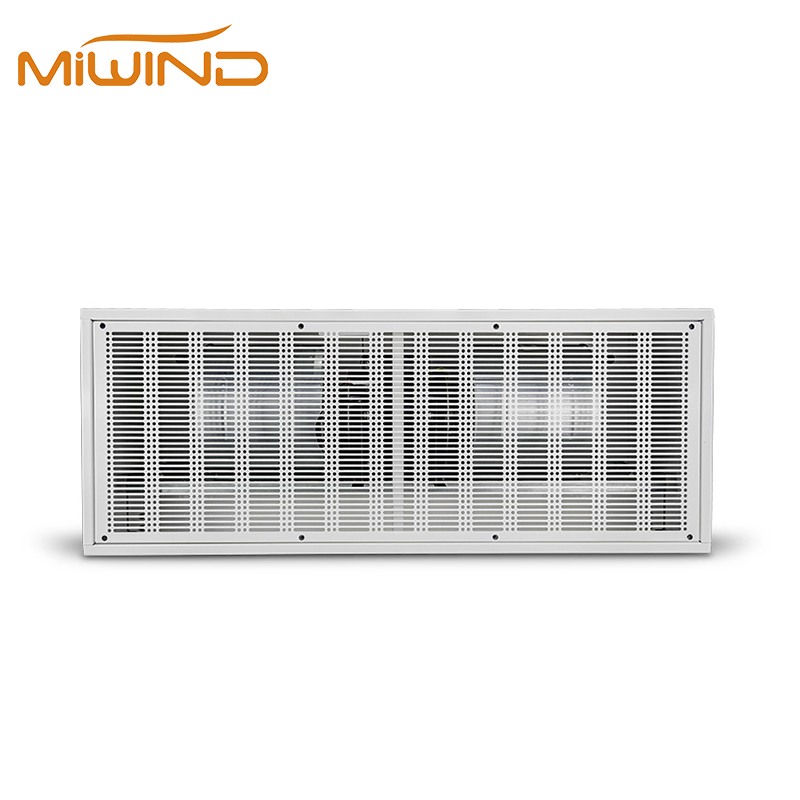
An air curtain can help reduce dust intrusion through an open warehouse doorway when the selected model, mounting and site airflow support separation. First identify the dust source and direction of movement. Dust generated indoors, vehicle exhaust and process fumes require their own source-control and ventilation measures.
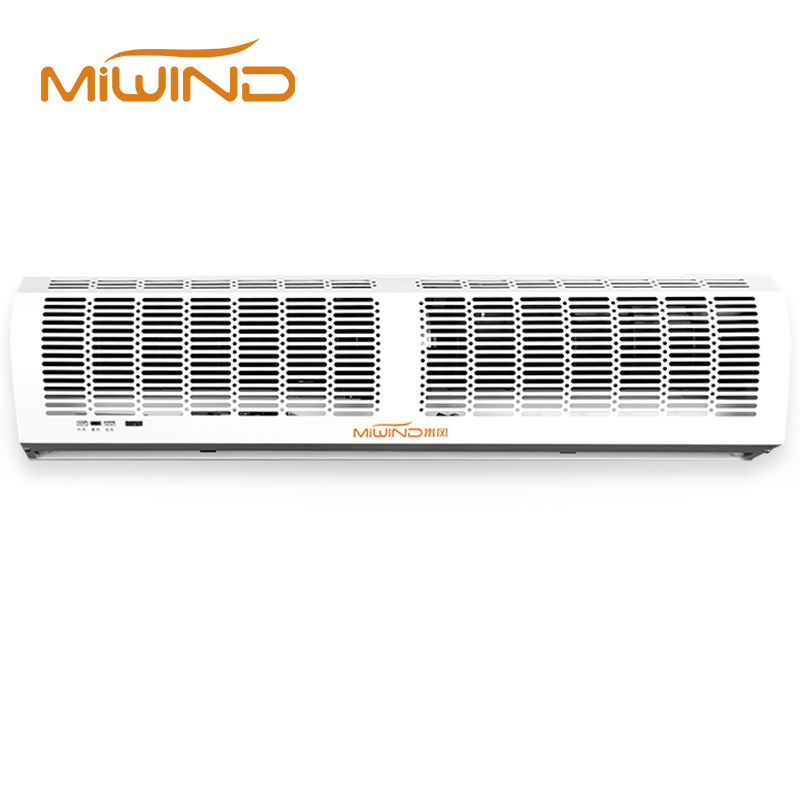
For MIWIND projects, the Air Curtain Series is the doorway airflow review path. It is used to examine whether a directed air stream can reduce intrusion through an active opening while traffic continues. Exhaust, make-up air, source capture, housekeeping, door repair, and EHS controls still need their own review when the pollutant source is larger than the doorway.
For a broader loading-door guide, see Warehouse Dock Door Air Curtains. If the facility is comparing physical strip barriers with active airflow, see Air Curtains vs Strip Curtains for Warehouses.
Why Warehouse Doorways Bring in Dust and Exhaust
Industrial door openings are often placed exactly where contaminants are generated. Trucks idle near docks. Forklifts cross thresholds. Outdoor yards carry dust. Wind can push debris through open doors. Exhaust fans may pull make-up air from the nearest large opening. Production spaces can also move smoke, odor, or fine particles toward pressure paths.
OSHA's warehousing hazard guidance discusses vehicle exhaust as one of the warehouse hazards to manage. OSHA's powered industrial truck workplace guidance also highlights indoor air quality and carbon monoxide concerns around forklift use in enclosed or hazardous areas. For a buyer, that means doorway airflow can be part of a site improvement plan, but it cannot stand in for ventilation design, carbon monoxide control, smoke control, or occupational exposure review.
A warehouse door can become a pollution pathway when:
- Outdoor dust is carried by vehicle movement or wind.
- Diesel trucks idle near the receiving bay.
- Forklifts move through an exterior door throughout the shift.
- Exhaust fans or process hoods create negative pressure.
- Opposite doors create a crossflow path through the building.
- Strip curtains are missing, tied aside, or damaged.
- Intake grilles on existing air curtains are dirty.
- Door seals, sweeps, or dock equipment leave gaps.
Before selecting equipment, separate the problem into three checks:
| Check | What to look for | Why it changes the answer |
|---|---|---|
| Source location | Yard dust, idling trucks, forklifts, process smoke, adjacent room odor, or indoor dust generation | A doorway air stream only addresses movement through the opening |
| Airflow direction | Air rushing inward, crosswind, opposite doors open, roof fans running, or exhaust hoods pulling air | Pressure and wind can overpower or bend the air stream |
| Door condition | Damaged seals, missing sweeps, tied-back strip curtains, dirty air curtain grille, blocked discharge | Simple maintenance or door repair may be needed before product selection |
What an Air Curtain Can Help Reduce
Doorway contaminants
An air curtain creates a directed air stream across the opening. At a warehouse or industrial door, that stream can help reduce the movement of outdoor air and airborne debris through the doorway while traffic continues.
For a warehouse buyer, the practical role is shown below.
| Contaminant pathway | What the air curtain may help with | What still needs review |
|---|---|---|
| Yard dust moving through an open door | Reduce air movement through the door plane. | Yard cleaning, wind exposure, door discipline, and seals. |
| Diesel exhaust near dock doors | Reduce inward airflow at the opening. | Vehicle policy, ventilation, exhaust, and make-up air. |
| Smoke or odor from adjacent areas | Limit migration through a doorway. | Source capture, room pressure, process exhaust, and code review. |
| Loose debris and leaves | Reduce direct entry through active openings. | Housekeeping, dock maintenance, sweeps, and exterior conditions. |
| Dusty strip curtains | Remove a contact surface if switching to active airflow. | Cleaning plans, traffic routes, and product maintenance. |
The best use case is a doorway where the pollutant is moving through the open plane of the door. If the pollutant is generated inside the room, an air curtain at the door is not the primary control.
Equipment checks before quotation
When the doorway is the likely path, the supplier still needs more than a door height. Ask for review around door width coverage, discharge height, floor-level air movement, traffic speed, mounting clearance, side gaps, wind exposure, sound tolerance, voltage, and control method. These details decide whether the project belongs to a standard doorway review, a stronger industrial air curtain series review, or a broader Industrial Series solution.
When Another Control Must Lead
Some warehouse contamination problems begin outside the air curtain scope. Use the table below to decide when to bring in ventilation, source control, maintenance, or EHS review before expecting a doorway product to solve the issue.
| Problem description | Air curtain role | Control that should lead |
|---|---|---|
| Process dust is created inside the room | May limit migration through a doorway | Dust collection or local source capture |
| Diesel smell comes from idling trucks or forklifts | May reduce inward airflow through the door | Vehicle policy, ventilation, make-up air, carbon monoxide review |
| Smoke is tied to a process or fire/smoke requirement | May help doorway separation only when allowed by the project design | Qualified smoke-control, code, and EHS review |
| Dust appears when roof fans or exhaust fans start | May be overpowered by negative pressure | Make-up air and exhaust balance |
| Leaves, grit, or debris enter at the threshold | May reduce direct air-carried entry | Yard cleaning, dock maintenance, sweeps, seals, and traffic control |
| The unit performance has weakened over time | Maintenance review is required | Grille cleaning, discharge clearance, blower condition, mounting security |
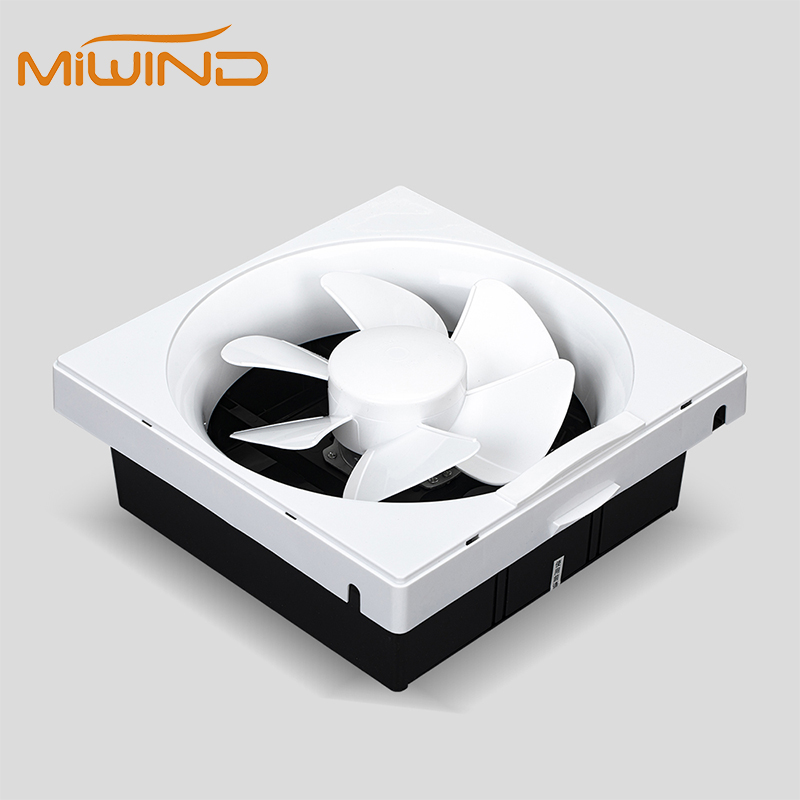
The MIWIND Exhaust Fan route can support discussions where the project involves stale air, contaminated air removal, or ventilation balance. It should not be described as a complete answer to every pollutant source without project review.
Pressure, Crosswind, and Dirty Intake Limits
Air curtains are sensitive to the conditions around the opening.
Negative pressure is a common problem. If exhaust fans pull more air out than the building receives, the warehouse may draw outdoor air through dock doors. In that case, the air curtain is working against the building pressure. A buyer may report that dust still enters even when the unit is running. The real issue may be make-up air, open opposite doors, or exhaust imbalance.
Crosswind is another limit. A wind-exposed door can bend the air stream away from the opening. That matters for exterior docks, exposed factory doors, and doors facing open yards.
Maintenance also matters. Berner's maintenance and cleaning guidance points to intake, grille, and internal cleanliness as part of air curtain care. For dusty warehouses, cleaning intervals should follow the exact MIWIND model documents and site conditions, and buyers should include grille condition and service access in the RFQ.
For a deeper pressure-focused article, see Warehouse Pressure Problems That Reduce Air Curtain Performance.

Exhaust, Make-Up Air, and Source Control Still Matter
A useful dust and exhaust review separates the doorway layer from the source-control layer.
| Site symptom | Doorway layer | System layer |
|---|---|---|
| Dust enters when exterior dock doors are open | Air curtain, door seals, strip curtain review, door discipline. | Yard cleaning, wind screens, housekeeping. |
| Diesel smell near receiving | Air curtain may reduce doorway infiltration. | Vehicle policy, ventilation, make-up air, exhaust review. |
| Smoke migrates from a process room | Air curtain may limit doorway migration. | Local exhaust, room pressure, fire/smoke code review. |
| Dust appears only when roof fans run | Air curtain may be overpowered. | Make-up air and exhaust balance. |
| Unit seems weaker over time | Maintenance and cleaning review. | Dirty grille, blower, filters if present, and service access. |
For warehouse and factory airflow context, review the Industrial Series solution. For product literature, catalog files, installation references, and maintenance documents, use technical resources and downloads.
MIWIND RFQ Checklist
When the buyer is ready to send project data, organize the inquiry around the doorway, the contamination source, the traffic pattern, and the building system.
| RFQ field | What to include |
|---|---|
| Door dimensions | Clear width, clear height, and mounting height. |
| Door type | Roll-up, sectional, sliding, high-speed, dock door, or open passage. |
| Traffic | Forklift type, pallet traffic, door-open time, peak loading schedule. |
| Pollutant source | Yard dust, truck exhaust, forklift traffic, smoke, process odor, debris, or mixed sources. |
| Symptoms | Where dust or odor appears, time of day, weather, and whether it follows fan operation. |
| Ventilation | Nearby exhaust fans, roof fans, process hoods, make-up air, air rushing symptoms, and known airflow direction. |
| Outdoor exposure | Wind direction, yard condition, truck positions, and nearby roads. |
| Existing barriers | Strip curtains, seals, sweeps, doors, dock shelters, or damaged components. |
| Maintenance | Current air curtain condition, intake grille cleanliness, discharge clearance, vibration, and access for cleaning. |
| Power and controls | Voltage, phase, control preference, door switch needs, and operating schedule. |
| Photos/video | Door front, side view, exterior yard, header area, traffic path, and visible dust pattern. |
The Warehouse Industrial Door Project can help buyers understand the kind of doorway information used for industrial airflow review, such as opening size, traffic pattern, installation position, and selection basis. Site-specific diesel exhaust, process dust, carbon monoxide, or smoke-control outcomes require separate project evidence and qualified review.
FAQ
Can an air curtain help with warehouse dust control?
It can help reduce dust intrusion through an active doorway when the dust is carried by outdoor air, traffic, or wind. It does not collect dust at the source or filter the warehouse air.
Can it treat diesel exhaust or smoke?
No. Diesel exhaust, smoke, and process fumes require source control, ventilation, make-up air, EHS review, or specialized systems. An air curtain may help reduce migration through the doorway, but it is not an exhaust or smoke-control device.
Can an air curtain replace OSHA or EHS ventilation controls?
No. Health, carbon monoxide, fire, smoke, and occupational exposure concerns must be handled through the facility's qualified safety and ventilation process. A warehouse air curtain can only be reviewed as a doorway airflow layer.
Why can dust still enter with an air curtain running?
Common reasons include negative pressure, crosswind, an oversized or highly exposed opening, poor mounting position, dirty intake grille, blocked discharge path, damaged seals, or pollutants generated inside the space.
What should be checked before selecting a warehouse door air curtain?
Check door width and height, mounting space, traffic frequency, pollutant source, pressure symptoms, outdoor wind, existing seals and strips, nearby exhaust fans, make-up air, and maintenance condition.
How should dusty air curtains be maintained?
Follow the exact MIWIND model documents and site safety procedures. In dusty warehouses, include intake grilles, discharge path, blower condition, controls, vibration, mounting security, and service access in routine inspection.
Next Step
Use Contact Us to send warehouse doorway data: dimensions, pollutant symptoms, traffic patterns, exhaust and make-up air details, wind direction, maintenance condition, and photos. MIWIND can review the Air Curtain Series, the industrial airflow context, and whether the inquiry also needs an Exhaust Fan discussion.