Air Curtains as Vestibule Exceptions: ASHRAE 90.1 and IECC Compliance Checklist
Prepare a vestibule-exception review with the adopted code, doorway drawings, performance evidence, installation instructions, controls and commissioning records.
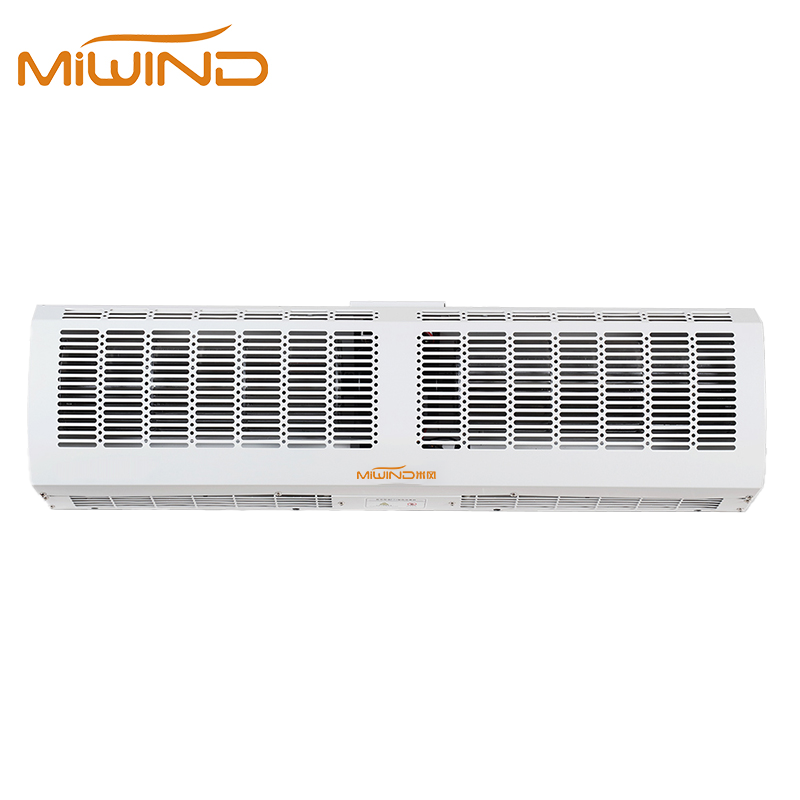
A vestibule-exception submittal for an air curtain should connect the adopted code to the exact opening and model. Collect the code clause, doorway drawings, performance evidence, installation instructions, control sequence and commissioning requirements before submitting the package for review.
This guide is for MEP engineers, architects, distributors, commercial entrance buyers, public-project procurement teams, and compliance reviewers. MIWIND can help organize available certificates, technical resources, downloads, and air curtain documents so the project team can compare them with the reviewer’s evidence list.
Eligibility depends on the adopted code edition, local amendments, the specific doorway condition, model documentation, controls, installation, and AHJ or reviewer acceptance. Treat the air curtain as one part of the document package, not as automatic approval.
When Air Curtains May Be Reviewed as a Vestibule Exception
The air curtain vestibule exception appears in commercial energy-code discussions when a project is trying to document an entrance condition without building or using a full vestibule. The phrase can sound simple, but the review is usually specific: which code edition applies, which opening is being reviewed, which test method is referenced, and which records the reviewer expects to see.
ASHRAE 90.1-2019 Addendum ao is often cited in air-curtain and vestibule discussions because it addresses test standards, installation, commissioning, floor-level jet velocity, and automatic control tied to door operation. The ICC 2021 IECC page is useful context for confirming which IECC edition or code path the project team is using before the submittal is built.
The project team should also understand that code editions and local amendments can differ. A consultant specification may cite ASHRAE 90.1, IECC, or an owner-specific standard. A checklist-led approach keeps the review tied to the actual opening and the required documents instead of assuming one air curtain path applies everywhere.
IECC and ASHRAE 90.1 Checkpoints
Start with the adopted code and the project opening
Before asking MIWIND for product documents, the buyer should confirm:
- Which code edition or owner standard is being used.
- Whether the project follows IECC, ASHRAE 90.1, a local amendment, or a consultant specification.
- Whether the opening is a public entrance, service entrance, vestibule door, or special-purpose opening.
- Whether the project is requesting a vestibule exception or only comparing entrance options.
- Whether the reviewer needs product data, installation records, commissioning records, or field measurements.
For broader context on the design decision, use Air Curtain vs Vestibule for Commercial Entrances. That article explains the entrance-planning question. This article narrows the task to the compliance document pack.
Separate code language from product language
Use the adopted code or project specification to establish the acceptance criteria. Then compare those criteria with the proposed model's test evidence, controls, installation instructions and commissioning records. A supplier's general explanation cannot establish approval for a particular installation.
Opening Size, Floor-Level Velocity, and Controls
The data reviewers usually ask for
If the air curtain vestibule exception is being considered, the review should gather field and product data before the submittal is sent. The most useful items are:
- Opening width and height.
- Mounting height and location.
- Door type, traffic pattern, and whether doors are self-closing.
- Vestibule status, if any.
- Floor-level jet velocity basis.
- ANSI/AMCA 220 or other test-method reference when required by the project.
- Automatic controls tied to door opening and closing.
- Manufacturer installation instructions.
- Commissioning notes or field record format.
The checklist is deliberately narrow. It avoids a common mistake: sending a general catalog page when the reviewer asked for a code-specific packet.
Why automatic controls and commissioning records matter
Controls are not decoration in this kind of file. If the cited language expects operation tied to door opening and closing, the submittal should show how that will happen. A magnetic door switch, automatic control sequence, BMS interface, timer, or field setting may need to be described in plain language.
Commissioning records matter for the same reason. A reviewer may need to see that the air curtain was installed according to manufacturer instructions and that the control sequence was checked. MIWIND can help supply product and document references, but the project team owns site-specific commissioning records.

Documents to Collect Before Submittal
A practical vestibule-exception file should include:
- Project code basis or specification section.
- Door schedule or entrance drawing.
- Opening dimensions and mounting height.
- Proposed model or product family.
- Product data sheet.
- Installation instructions.
- Control sequence or wiring note.
- Available test or performance references.
- Field photos, if the project is a retrofit.
- Commissioning checklist, if required by the reviewer.
- Deadline and reviewer contact path.
MIWIND's air curtain product documents, downloads, and certificates can support this document request. Keep those files organized by document type. A CE, CB, EMC, or other compliance file may be useful, but it is not the same as a vestibule-exception approval.
What Project Information MIWIND Needs Before Document Review
Send MIWIND the opening drawings, cited code language, control sequence and submittal deadline. Ask which documents are available for the proposed model and which items the project team must supply.
Send MIWIND:
- Door type and whether a vestibule exists.
- Opening width, height, and mounting condition.
- Floor-level velocity requirement, if stated by the project.
- Control method expected by the reviewer.
- Adopted code, consultant note, or owner standard.
- Required test, installation, or commissioning records.
- Approval deadline.
For model-specific review, share the proposed MIWIND model, doorway dimensions, mounting height, control requirement, and cited code language so the available documents can be checked against the project requirement.
FAQ
Does an air curtain automatically qualify for a vestibule exception?
Not automatically. Qualification depends on the adopted code, local amendments, project conditions, model evidence, installation, controls, and reviewer acceptance.
What is the first document to collect?
Start with the code or specification language that creates the requirement. Then match the product documents, opening data, and control records to that requirement.
What documents are usually needed for review?
Most review packets start with the adopted code or specification clause, door schedule, opening dimensions, proposed model, installation instructions, control sequence, available test references, and any commissioning record requested by the reviewer.
Can MIWIND approve the exception?
MIWIND can help organize product documents and answer air curtain questions. Code approval belongs to the authority or project reviewer.
Next Step: Request Project Compliance Documents
Use Contact Us to request available MIWIND documents for a vestibule-exception review. Include the door data, local code basis, controls, required records, and deadline so the team can return a focused packet instead of a generic catalog.