Restoration Dehumidifiers: LGR, Desiccant and Jobsite Data
Compare restoration dehumidifiers using temperature, humidity ratio, wet materials, air movement, containment, power and drainage, with qualified site review.
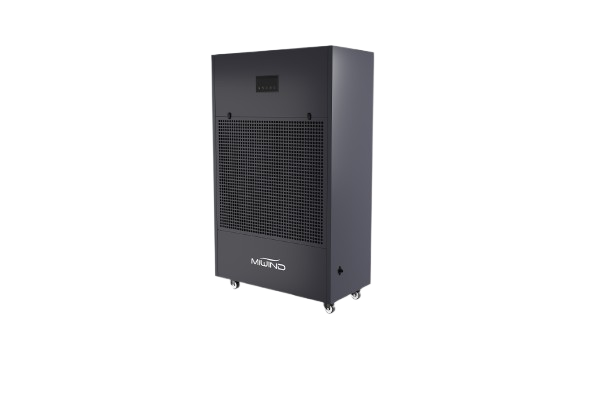
A water damage restoration dehumidifier is selected for a temporary drying job, not for the same reason an industrial facility selects permanent humidity control. Water events, construction moisture, soaked materials, cubic footage, air movement, temperature, GPP, drainage, and drying documentation all change the equipment discussion.
Temporary drying requires jobsite measurements and a restoration plan before equipment selection. Compare the available dehumidifier products with the required temperature range, mobility, power and drainage. Request written confirmation of any LGR, desiccant or restoration-duty capability through Contact Us; a general industrial product category does not establish those features.
Restoration plans must be led by qualified professionals using applicable standards, instruments, and documentation. MIWIND can support equipment review for dehumidification projects, while IICRC certification, emergency restoration services, mold remediation, insurance compliance, drying-time commitments, and structural safety judgments require the appropriate professional scope.
First Decide: Temporary Drying or Permanent Humidity Control
Water-event drying vs ongoing industrial RH control
Temporary drying starts with a specific event: water intrusion, construction moisture, wet materials, a leak, a flood response, or a controlled drying phase before finishing work. Permanent humidity control starts with an ongoing building or process condition: warehouse RH, condensation, production moisture, storage protection, or seasonal humidity.
The difference matters. Temporary drying may use aggressive equipment, air movers, containment, frequent readings, and drying logs. Permanent RH control may use a long-term capacity review, installation plan, drainage strategy, controls, maintenance access, and monitoring. Treating both as one problem can lead to a poor RFQ.
IICRC's S500 standard page is a useful reference because professional water damage restoration is tied to process, psychrometry, instruments, documentation, and risk management. C&R Magazine's dehumidification webinar page also points to job conditions, GPP, LGR and desiccant decisions, and containment. Use these references to frame the drying question before comparing equipment.
LGR vs Desiccant vs High-Capacity Dehumidifiers
When each option is typically considered
LGR means low-grain refrigerant. It describes refrigerant equipment designed to continue removing moisture at lower humidity ratios than basic refrigerant equipment under suitable conditions. Desiccant equipment uses a moisture-absorbing medium and may suit lower dew-point or colder applications, subject to its design. High capacity describes the amount of moisture removal, not a separate technology; either technology can be supplied at different capacities.
A water damage restoration dehumidifier comparison should not be reduced to capacity alone. Temperature, relative humidity, grains per pound, material wetness, air movement, containment, power, drainage, ducting, portability, and daily readings all affect the choice.
Sylvane's water damage dehumidifier collection and restoration equipment guide show how buyers often compare dehumidifiers with air movers, moisture meters, and other jobsite tools. For technology background, see refrigerant vs desiccant industrial dehumidifier before applying any general comparison to a specific job.
Choose the technology from measured conditions and the required drying result. Then compare the necessary capacity, electrical supply, drainage or regeneration arrangements, transport limits and service access within that technology. Have the restoration professional confirm the equipment and monitoring plan.
RH, GPP and Material Moisture Measure Different Things
Relative humidity depends on temperature. GPP means grains of water vapor per pound of dry air, a humidity-ratio measurement. Material moisture readings describe the wet materials rather than the surrounding air. Record the instrument, units, locations and times so changes in air temperature are not mistaken for material drying.
Field Data Needed Before Choosing Equipment
Cubic footage, material affected, temperature, RH/GPP, air movement, power, drainage, and duration
Before asking MIWIND to compare equipment, collect:
- Cubic footage of the drying area.
- Water event type and whether the source is controlled.
- Materials affected: concrete, drywall, framing, insulation, flooring, pallets, goods, or machinery.
- Starting temperature and RH.
- GPP or dew point if available from instruments.
- Moisture readings and affected-area map.
- Planned containment or zoning.
- Air movement plan and number of air movers if known.
- Power availability, voltage, and circuit limits.
- Drainage route or condensate handling plan.
- Access, portability, wheel, stair, lift, and placement constraints.
- Target schedule, drying log requirements, and inspection cadence.
A water damage restoration dehumidifier request is much stronger when it includes measurements. Without that data, a supplier can only discuss broad equipment categories and missing questions.
For capacity language, use industrial dehumidifier sizing and dehumidifier capacity ratings explained. Those guides explain why rated moisture removal must be interpreted against test conditions and actual site conditions.
Supporting Equipment and Documentation
Temporary drying normally depends on more than a dehumidifier. Air movers help expose wet surfaces to drier air. Moisture meters help track material conditions. Temperature readings and RH readings support psychrometric decisions. Containment can reduce the volume that must be dried. Drainage keeps removed water from becoming a new site problem.
Documentation is not decoration. A drying log records readings, equipment placement, changes, and observations. It helps the team show what was measured and what changed. MIWIND can review dehumidifier-related conditions, but the restoration professional or buyer remains responsible for jobsite safety, material decisions, mold risk decisions, and any insurance or standard-related process.
For a warehouse condensation problem that is not an active water event, use prevent condensation in warehouse. That path is closer to permanent dew point and RH planning than restoration drying.

Where MIWIND Fits in the Comparison
MIWIND can support equipment review for humidity-control and dehumidification questions. The industrial dehumidifier series route can support product comparison, while industrial dehumidifier can support application review. The downloads area may help buyers request catalog or support files before procurement.
Ask a focused question: "This temporary drying area is this size, with these materials, temperature, RH or GPP readings, air movement plan, drainage access, power limits, and portability constraints. Which MIWIND documents and product options should we compare?" That gives the equipment conversation a factual base.
Do not use a dehumidifier quote as a substitute for professional site inspection. Water category, class of loss, hidden moisture, contaminated materials, microbial risk, and structural safety require qualified judgment outside the scope of a product article.
FAQ
Is restoration drying the same as long-term humidity control?
No. Restoration drying responds to a water event or construction moisture. Long-term humidity control supports an ongoing building, storage, or production condition.
When are LGR units considered?
LGR units are often considered for restoration drying where temperature and humidity conditions support refrigerant operation and lower grain removal is useful. The jobsite data decides whether that category fits.
When are desiccant systems considered?
Desiccant systems are often considered when low dew point, cooler conditions, dense materials, or specialized drying conditions are central to the plan. Verified equipment data is needed before selection.
Can MIWIND guarantee drying time?
No. Drying time depends on the water event, materials, temperature, humidity, air movement, access, containment, and professional drying process.
Next Step: Compare High-Capacity Drying Options
Use compare high-capacity drying options with the checklist. A clear water damage restoration dehumidifier brief helps MIWIND compare equipment routes while keeping professional restoration responsibilities separate from product selection.