Cold Storage Dehumidification: Fog, Frost and Moisture Loads
Investigate cold-storage fog, frost and ice by tracing humid-air entry, door cycles, adjacent-space dew point, refrigeration and equipment operating limits.
Cold storage dehumidification questions often start with visible symptoms: fog at freezer doors, frost on frames, ice on floors, wet packaging, coil icing, or condensation near a cold-room transition. These symptoms usually come from warm humid air entering a colder space and meeting surfaces below the dew point.
This guide is for cold-chain warehouse operators, food logistics teams, facility managers, refrigeration contractors, EHS teams, and distributors. MIWIND can discuss solutions, industrial dehumidifier applications, industrial dehumidifier series, and project questions through Contact Us.
For a useful review, collect the cold-room symptoms and operating data before selecting equipment. Frost, ice, fog, condensation, floor safety, coil icing, and energy use can involve refrigeration, doors, drainage, pressure balance, traffic, and humidity control together. MIWIND can review the moisture-control route, while freezer performance and safety procedures should be confirmed with the project team.
Why Moisture Builds Up in Cold Storage
Warm humid air creates cold-room symptoms
When humid air enters a freezer or cold room, moisture can condense or freeze. The symptom may appear as fog in the doorway, frost on frames, ice on floors, wet packaging, or buildup on coils. The problem may be strongest during loading, rainy weather, long door-open periods, or traffic peaks.
In practical terms, the review should identify where warm humid air enters, how often it enters, and which cold surfaces show symptoms first. That gives the project team a better basis for deciding whether the main issue is room humidity, doorway infiltration, refrigeration operation, or workflow.
Door behavior often drives the load
A freezer with disciplined, short door cycles behaves differently from a freezer where doors remain open for staged pallets. The first step is to understand how moisture enters. Use warehouse humidity control when the adjacent warehouse itself is humid.
Map the moisture path before discussing equipment. The main source may be a receiving door, a humid staging area, slow traffic, a damaged seal, poor pressure balance, wet pallets, or a refrigeration condition that needs specialist review.
Door Openings, Infiltration, and Dew Point
Fog and frost symptoms
Fog, frost, and ice are clues. Fog suggests warm humid air mixing with colder air. Frost near a frame may point to leakage, surface temperature, or air path. Ice on the floor may involve condensation, drainage, traffic, and safety routines.
Use prevent condensation in warehouse when the team needs to think through dew point, cold surfaces, and symptom timing.
Wet packaging and product moisture
Packaging can absorb moisture when products move through transition zones. Wet cartons, softened labels, and damp pallet wrap may be signs that cold-room door activity and adjacent RH need review. The solution may involve dehumidification, door discipline, air curtains, staging changes, or refrigeration and ventilation checks.
Air curtains and door management
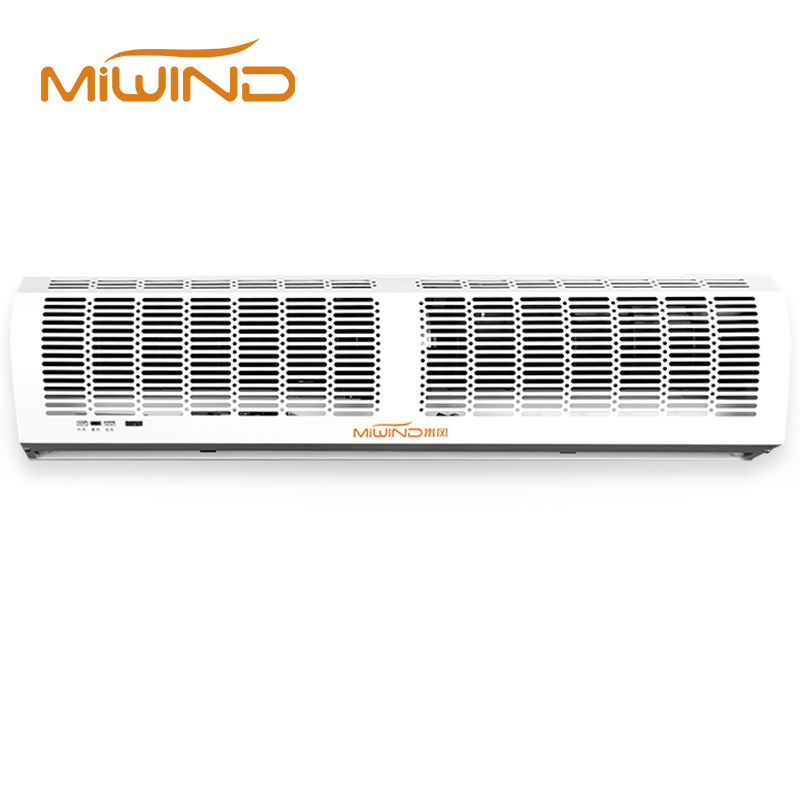
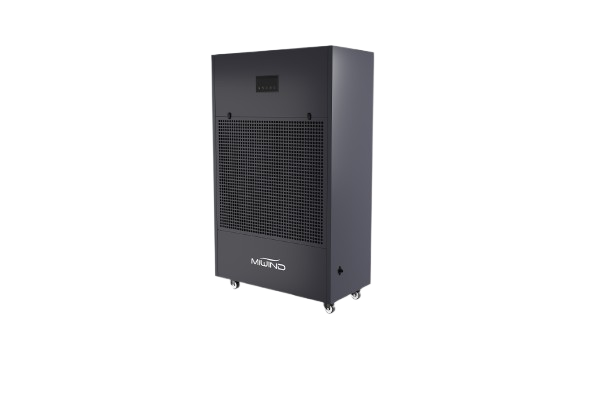
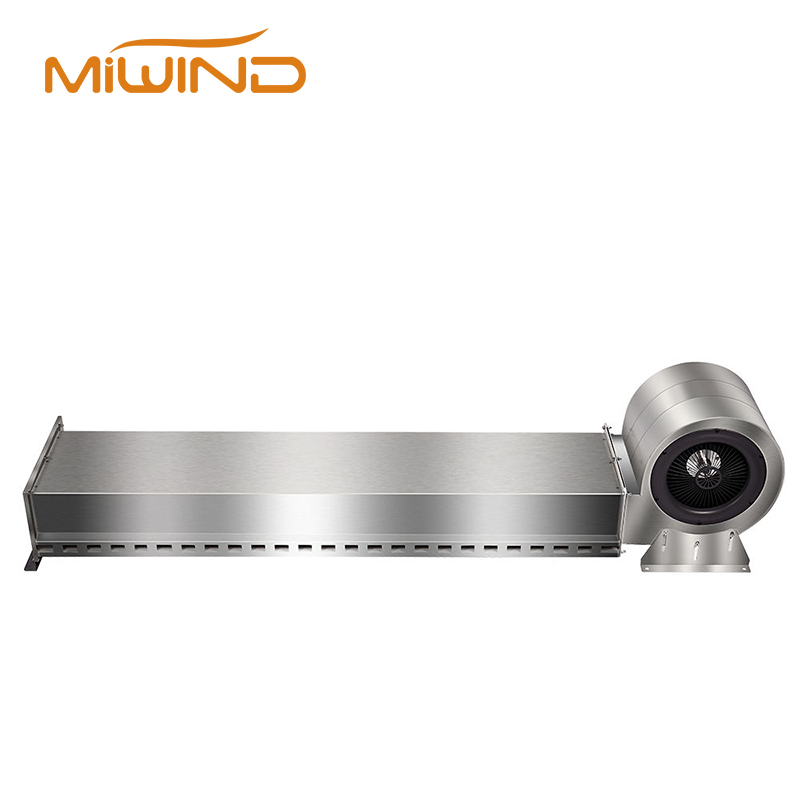
Coordinate door management with humidity control. An air curtain can reduce air exchange at a suitable opening; a dehumidifier removes water vapor from the air it processes. Confirm the proposed equipment location and temperature limits rather than assuming a unit suitable for an adjacent room can operate inside a freezer.
Equipment Temperature Limits and Placement
Record the conditions at the intended intake and installation location, including the coldest operating period. Refrigerant equipment can lose removal capacity or require defrost at low temperatures. Desiccant equipment has its own regeneration, energy and ducting requirements. Ask for documented performance at the actual temperature and target dew point; a room-temperature capacity rating does not establish freezer suitability.
Data to Collect Before Equipment Selection
Collect data before asking for a model:
- Freezer or cold-room temperature range.
- Adjacent-room temperature and RH.
- Door opening frequency and held-open time.
- Loading pattern, traffic type, and shift peaks.
- Fog, frost, ice, wet packaging, or coil-icing symptoms.
- Photos of affected doors, frames, floors, ceilings, coils, and product areas.
- Existing refrigeration, ventilation, air curtain, door, and drainage setup.
- Target operating conditions and monitoring records.
Condair's condensation and mold page is useful because it frames condensation around moisture and cold surfaces. For capacity planning, use industrial dehumidifier sizing after the moisture path is clear.
If symptoms affect safety or product handling, record what temporary controls are already in place. Floor cleanup, signage, door discipline, staging changes, and refrigeration checks may be needed while the humidity review continues.
Separate chronic symptoms from event-driven symptoms. Chronic frost or wet packaging may point to a persistent adjacent-space moisture problem, while fog that appears only during peak receiving may point to door-open time and traffic management. The RFQ should name which pattern is observed.
How MIWIND Can Review the Application
Bring MIWIND into the discussion after the site describes symptoms, temperatures, door behavior, RH, refrigeration context, and photos. Cold storage dehumidification may be part of the review if the issue is persistent moisture load, while door openings may also need air-curtain or workflow discussion through solutions.
Ask MIWIND:
- Which moisture source appears most important?
- Is the issue general room humidity, door infiltration, surface condensation, or refrigeration interaction?
- What product route and documents should be reviewed?
- What monitoring or photos are still missing?
- Which assumptions must be confirmed by the buyer or refrigeration contractor?
A clear cold storage dehumidification brief keeps the project from treating fog, frost, and ice as one simple product problem.
The review should also name who owns each part of the fix. Refrigeration contractors may own evaporator, defrost, door, and setpoint questions. Facility teams may own traffic, staging, cleaning, and safety procedures. MIWIND's role is to review the airflow and humidity-control path that the project data supports.
FAQ
What causes fog and frost in cold storage?
Warm humid air entering a cold area can condense or freeze. Door-open time, adjacent RH, pressure, traffic, and cold surfaces can all contribute.
Can a dehumidifier remove all freezer frost?
No. Frost can also involve door operation, refrigeration, surface temperature, drainage, airflow, insulation, and maintenance. Treat dehumidification as one possible layer in a broader cold-room review.
Should air curtains be considered?
They may be considered at active doors, but they serve a different role from dehumidification. Door management and room moisture control should be reviewed together.
What should buyers send for review?
Send temperatures, RH, door frequency, symptoms, photos, packaging issues, refrigeration setup, ventilation, target conditions, and monitoring records.
Next Step: Discuss Cold-Storage Moisture
Use discuss cold-storage moisture with site data. A clear cold storage dehumidification brief helps MIWIND review the right moisture-control path and set a realistic project scope.