Food Processing Humidity Control by Process Zone
Plan food-processing humidity control by ingredient storage, mixing, cooling and packaging zones, while checking condensation, cleaning and quality requirements.
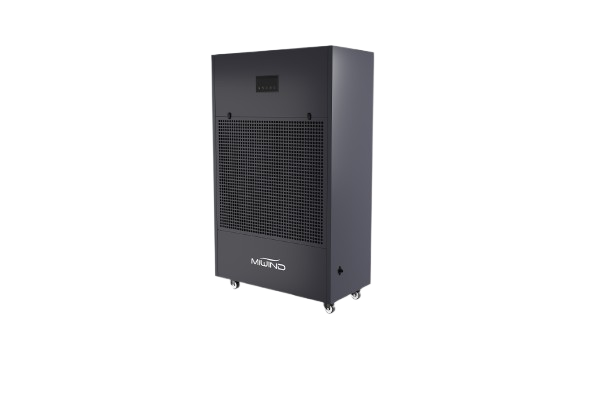
A dehumidifier for food processing should be discussed by process zone, not as one generic factory recommendation. Raw material storage, mixing, cooling, packaging, finished-goods storage, and washdown-adjacent areas can each have different moisture sources and different risks.
This guide is for food processors, packaging engineers, QA and EHS teams, plant managers, OEM procurement teams, and distributors serving food manufacturing. MIWIND can discuss solutions, industrial dehumidifier applications, industrial dehumidifier series, and project questions through Contact Us.
Before selecting equipment, confirm the process zone, hygiene constraints, cleaning method, product exposure, target RH, and documents required by the buyer's quality team. Food-processing humidity work should be tied to verified product data and facility requirements rather than a generic factory claim.
Why Food Facilities Need Zone-Based Humidity Planning
One food plant can have several moisture problems
Food plants often combine storage, production, cleaning, cooling, packing, and shipping. Humidity may affect powder flow in one zone, labels in another, condensation near a cold surface, and finished-goods cartons in storage.
For a useful equipment review, describe the exact process zone and the moisture symptom. "Food processing" is too broad by itself; a dry ingredient room, cooling tunnel area, packaging line, and finished-goods warehouse can require different assumptions.
The process zone defines the question
The right RH target and equipment discussion depend on the zone. A mixing room with powders may need different review than a cooling area with condensation risk. A packaging line may care about film, labels, carton strength, and static. Finished-goods storage may care about seasonal RH and pallet dwell time.
Use industrial humidity control RH target before defining the selection target.
Common Moisture Problems in Food Processing
Powders, sugar, and ingredients
Powders, sugar, seasoning, flour, starch, and similar ingredients can clump, stick, bridge, or flow poorly when moisture is uncontrolled. The buyer should describe ingredient type, exposure time, process temperature, transfer method, and whether the problem occurs during storage, mixing, filling, or packing.
Cooling, packaging, and labels
Cooling products or packaging materials can meet humid air and create condensation. Packaging lines can see label failure, soft cartons, film handling issues, or barcode problems. Dehumidification may be reviewed only after the team identifies whether the root issue is RH, surface temperature, airflow, or process timing.
For condensation symptoms, use prevent condensation in warehouse as a dew point review companion.
Storage and finished goods
Finished goods may wait in a storage room before shipment. Seasonal humidity, door traffic, packaging moisture, and poor circulation can affect cartons, labels, and shelf-ready packaging. Use warehouse humidity control when the issue is mainly storage protection.
Do not combine every zone into one average condition. A packaging room may need different data from a finished-goods warehouse, and a cooling area may need surface-temperature notes that are irrelevant to dry ingredient storage.
Map the process flow before equipment discussion. The team should know where ingredients enter, where moisture is added or removed, where products cool, where packaging is exposed, and where finished goods wait before dispatch.

RFQ Data to Prepare
Send MIWIND:
- Food product or ingredient category.
- Process zone: raw material storage, mixing, cooling, packaging, finished goods, or adjacent utility area.
- Current RH and temperature range.
- Target RH or buyer-side process requirement if known.
- Moisture symptoms: clumping, sticking, condensation, label failure, packaging softening, odor, rust, or product handling issue.
- Hygiene, cleaning, washdown, or access constraints.
- Operating hours, seasonal peaks, and downtime windows.
- Ventilation, door opening, exhaust, and adjacent room conditions.
- Required documentation and approval workflow.
Use industrial dehumidifier sizing to connect these inputs to moisture load. Use dehumidifier capacity ratings explained when comparing supplier capacity numbers.
If hygiene or cleaning requirements are strict, flag them before product review. The buyer should identify which areas are wet-cleaned, which are dry-cleaned, and which installation locations are outside food-contact or washdown zones.
For each zone, define whether the concern is product handling, packaging quality, worker comfort, corrosion, condensation, or storage stability. A single plant may need several different humidity conversations, and the RFQ should keep them separate.
Where MIWIND Fits in the Review Process
Bring MIWIND into the review after the buyer separates process zones and gathers data. The solutions route fits broader factory and production context, while industrial dehumidifier links the conversation to moisture-removal equipment.
Ask MIWIND:
- Which zone is the priority for review?
- What site data is missing?
- Which product route and documents should be checked?
- Are the hygiene or cleaning constraints compatible with the proposed installation approach?
- Which assumptions must the buyer or quality team confirm?
The quality team must set the process humidity and hygiene requirements and validate the result. Humidity control does not establish microbiological safety, shelf life or washdown suitability. Confirm equipment materials, cleaning limits, condensate handling and installation position for each process zone.
Before approving a proposal, assign owners for process data, quality requirements, facility constraints, and maintenance access. That makes it easier to separate equipment review from buyer-side procedures and prevents the RFQ from becoming a vague request to "fix humidity."
FAQ
Why does humidity matter in food processing?
Humidity can affect powders, sugar, ingredients, packaging, labels, condensation, storage, comfort, and corrosion risk. The exact concern depends on the process zone.
Can one dehumidifier solve every food plant moisture issue?
No. Food facilities usually need zone-based review. Moisture sources, cleaning, ventilation, product handling, and storage conditions can differ across the plant.
Where should buyers verify food-grade or washdown requirements?
Use current product documents and the buyer's quality or compliance requirements. Hygiene, washdown, and food-grade expectations should be confirmed before equipment approval.
What should buyers send before asking for advice?
Send product type, process zone, RH and temperature, symptoms, hygiene constraints, operating hours, ventilation, door traffic, and documentation needs.
Next Step: Request Food Humidity Advice
Use request food humidity advice with the checklist. A clear dehumidifier for food processing brief helps MIWIND review humidity-control options for the right process zone.