HRV vs. ERV: How Heat and Moisture Recovery Differ
Compare HRV and ERV by heat and moisture transfer, climate, ventilation targets and maintenance; neither replaces dedicated humidity control.
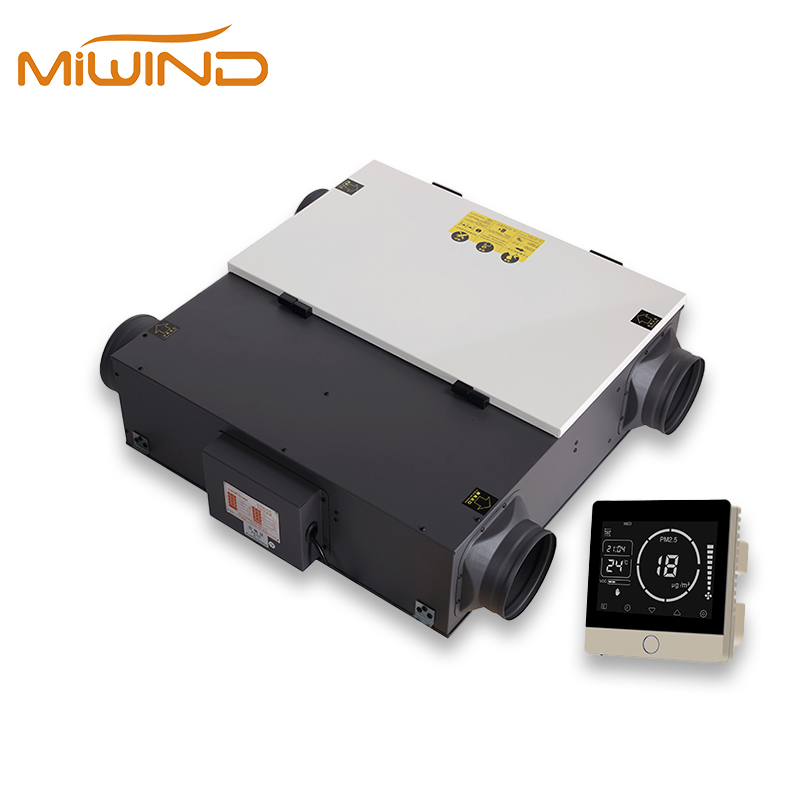
When comparing an HRV and an ERV, first identify whether the project needs sensible heat recovery alone or also moisture transfer. An HRV transfers heat between outgoing and incoming airstreams; an ERV can transfer heat and some moisture, depending on its core and operating conditions. Neither is a substitute for cooling or dedicated dehumidification.
This guide is for OEM buyers, HVAC and MEP engineers, distributor technical sales teams, installers, owners, and facility managers comparing heat-recovery and energy-recovery ventilation routes. MIWIND can review fresh air system planning, technical ventilation resources, a separate humidity-control route, and project inputs submitted through Contact Us.
Use this guide as a climate-fit planning brief before requesting a model quotation. For submittals, buyers should still request the current MIWIND datasheet, recovery-performance information, filter details, pressure-drop data, wiring documents, and any certificates required for the project. Final ventilation rates, energy calculations, and humidity targets should be confirmed by the project engineer or local reviewer.
What HRV and ERV Units Are Intended to Balance
HRV usually refers to heat recovery ventilation. ERV usually refers to energy or enthalpy recovery ventilation. In simple buyer language, HRV focuses on heat transfer between outgoing and incoming air streams, while ERV is also discussed around moisture transfer. The real selection question is not "Which acronym is better?" It is:
Which recovery strategy fits the climate, moisture load, duct route, maintenance plan, and HVAC expectation?
Building Science Info-611 gives a useful conceptual frame for balanced ventilation and heat/energy recovery approaches. For a purchase decision, turn that concept into project inputs: design airflow, supply and exhaust path, recovery target, filter service plan, condensate or frost risk, electrical constraints, and the documents needed for approval.
Climate and Moisture Conditions That Change the Decision
The HRV vs ERV fresh air system choice depends on climate and building use. A cold, dry home, a humid coastal office, a mixed-season villa, and a small commercial retrofit may all need different conversations.
Cold or Dry Conditions
In a cold or dry climate, an HRV may fit a project that needs heat recovery without moisture transfer. Confirm the required ventilation rate, recovery performance, frost-management approach, filter access, condensate handling and local design requirements for the selected model.
Hot and Humid Conditions
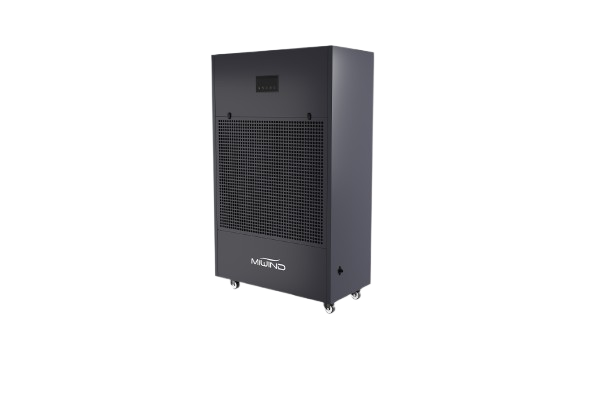
In a hot or humid climate, an ERV may be considered when reducing some moisture transfer with outdoor air is part of the design. Performance depends on the unit and conditions. It does not remove the need to assess cooling, indoor moisture sources or dedicated dehumidification. Route persistent humidity concerns separately through industrial dehumidifier support.
Mixed-Season Buildings
Mixed climates can be the most difficult for simple rules. A building may need heating-season recovery, cooling-season moisture awareness, shoulder-season ventilation, and maintenance access that keeps the system performing over time. The buyer should avoid selecting by acronym before the operating context is visible.
Why ERV Does Not Replace Dehumidification or Cooling
ERV equipment can be part of an outdoor-air strategy, but it is not a complete humidity-control plan. Humidity also depends on outdoor climate, indoor moisture sources, HVAC capacity, envelope leakage, occupancy, cooking, washing, process loads, and maintenance.
For that reason, an ERV discussion should separate "reducing outdoor-air load" from "controlling room humidity." If the space must hold a defined relative-humidity range, the inquiry should include the humidity target, internal moisture sources, operating hours, door-opening frequency, and whether a dedicated dehumidification system is already planned.
Planning Inputs MIWIND Needs Before Guidance
The MIWIND Fresh Air System route can support discussion of fresh air systems, inline duct fans, mixed-flow fans, and heat-recovery ventilation products for HVAC airflow projects. The useful inquiry is not "HRV or ERV?" by itself; it is a short engineering brief that explains what the building needs the ventilation system to do.

Send:
- Project country, city, or climate zone.
- Building type and application.
- Fresh-air target or design basis if known.
- HRV/ERV preference or uncertainty.
- Moisture concern, humidity target, or dehumidification issue.
- Duct length, duct route, and installation space.
- Noise requirement.
- Filter and maintenance access expectations.
- Buyer role: OEM, distributor, contractor, engineer, installer, owner, or facility manager.
- Expected quantity and document needs.
If airflow target is not defined, review fresh air CFM basics. If the project is still deciding whether it needs planned supply and exhaust together, review the balanced ventilation comparison.
When to Ask for Climate-Fit Support
Ask MIWIND for climate-fit support when the project has enough context to compare routes. Useful triggers include:
- The building is in a humid, mixed, or very cold climate.
- The buyer is unsure whether moisture transfer is desired.
- The space has separate humidity-control concerns.
- Fresh-air ducts are long or constrained.
- Maintenance access or filter service may shape product selection.
- The buyer needs product documents, catalogues, or export support.
Use ask climate-fit guidance when these inputs are ready.
FAQ
Is HRV always better in cold climates and ERV always better in humid climates?
No. Climate is important, but building use, moisture load, HVAC design, duct layout, maintenance, and local requirements also matter. Use climate as an input, not as the only selection rule.
Can an ERV replace a dehumidifier?
No. ERV can be part of a fresh-air strategy, but it should not be described as replacing dehumidification or air conditioning. If humidity control is the real problem, discuss a separate humidity-control route.
Where should buyers get HRV or ERV efficiency data?
Use current product documents for recovery efficiency, humidity-transfer data, filter class, pressure drop, certification, and electrical details. Do not rely on a general comparison article for submittal values.
Next Step
To ask MIWIND for HRV vs ERV fresh air system guidance, send the project location, building type, airflow target, moisture concern, duct route, installation space, noise requirement, maintenance expectations, buyer role, and expected quantity.