HVAC Distributor After-Sales Support RFQ: Questions to Ask
Prepare an after-sales RFQ covering technical support, spare parts, model identification, warranty routing and escalation responsibilities.

An HVAC distributor after-sales RFQ should clarify who handles technical questions, parts lookup, model identification, warranty claims and escalation after delivery. Confirm which manuals or troubleshooting materials are available for each product family before setting expectations with local dealers or customers.
This guide is for distributor service managers, technical support teams, importers, and OEM/private-label buyers preparing supplier questions. Buyers can review partner cooperation, available technical resources, and downloads, then send support questions through Contact Us.
Use this guide as an RFQ checklist for after-sales planning. Ask which support items can be confirmed for the exact product family and market: spare-parts availability, response expectations, technical support hours, video or manual availability, warranty evidence, return approval path, RMA process, old-model lookup, repair authorization, dealer support material, and escalation SLA.
What After-Sales Support Questions Should Distributors Ask?
Support is part of supplier selection
Separate customer service, product troubleshooting, spare parts and warranty review in the RFQ. Each area may have a different owner, evidence requirement and response process, so ask the supplier to confirm the workflow for the quoted models.
For distributors, the question is not only whether the supplier ships product. The question is whether the distributor can diagnose common issues, identify parts, answer installers, and escalate problems without chaos. Use a supplier scorecard to compare support ownership alongside commercial terms.
Define first-line and second-line support
Clarify who talks to the end customer, who talks to the installer, who reviews photos and videos, who confirms parts, who approves warranty claims, and who handles unusual applications. The distributor may own first-line support locally while the factory supports model-level and technical questions.
First-line support evidence
First-line support should collect model code, serial or batch information, customer description, installation photos, voltage, control setting, short video if relevant, purchase record, and what the local installer already checked. This saves time before escalation reaches the supplier.
After-Sales RFQ Question Matrix
Use the RFQ to separate service topics instead of asking for "support" in one line.
| Support topic | RFQ question to ask | Evidence to request | Owner to confirm |
|---|---|---|---|
| Technical troubleshooting | Which installation or operation issues can be reviewed by the factory? | Photos, video, wiring diagram, model code, voltage, symptom notes | Distributor first line, factory technical review |
| Spare parts | Which replaceable parts are available for each model and production version? | Parts list, compatibility note, order code, minimum order rule | Spare-parts contact |
| Old model lookup | How should a discontinued or older model be identified? | Nameplate photo, carton label, batch code, invoice, product photo | Technical support or sales operations |
| Warranty claim routing | What evidence is required before a warranty decision? | Purchase record, installation context, fault description, test result if available | Warranty reviewer |
| Dealer-facing support | Which manuals, videos, FAQs, or scripts can be shared with local dealers? | Approved public files and internal-only file list | Distributor channel manager |
| Escalation | When does a case move from chat support to formal review? | Case number, evidence package, contact map, expected next action | Named escalation contact |
Parts Lookup And Old Model IDs
Part numbers and compatibility
Ask for spare-parts lists by model, voltage, production version, and accessory. A motor, controller, heater, remote, grille, mounting bracket, or label may differ between versions. The distributor should not assume one part fits every model in a product family.
Old model identification
Repeat distributors need a way to identify older models. Ask what information is needed: model code, serial number, batch code, nameplate photo, carton label, invoice number, product photo, or production date. This matters when the customer cannot describe the exact product.

Troubleshooting And Warranty Claim Routing
Installation troubleshooting
Ask which installation issues the supplier can support: voltage mismatch, control confusion, mounting direction, noise complaint, airflow concern, heater issue, accessory issue, wiring question, or application mismatch. Request manuals, wiring diagrams, videos, and troubleshooting sheets if available.
Use distributor starter kit materials and spec sheet checklist before asking for model-level support files. This keeps manuals, wiring diagrams, and troubleshooting notes tied to exact models.
Support content types
Useful support content can include quick-start guides, wiring diagrams, installation videos, maintenance reminders, spare-parts sheets, common fault notes, model-identification photos, and customer-service scripts. Ask which content exists now, which is internal only, and which can be shared with dealers.
Warranty and return routing
After-sales support and warranty terms should be separated in the RFQ. Use HVAC distributor warranty terms to clarify proof, RMA, freight, replacement, exclusions, and customer-facing language. In the support section, ask who reviews evidence, who confirms parts, and who gives the distributor the next action.
Escalation Ownership
Support contact map
Create a contact map for sales, technical support, documents, spare parts, warranty review, logistics, and management escalation. Ask whether the contact changes by product family or market.
Evidence package for escalation
A strong escalation package includes model code, serial or batch code, voltage, photos, videos, installation context, invoice, symptom description, test results if available, and what the local distributor has already checked.
The escalation path should include expected next actions, not only names. For each support category, ask whether the supplier will provide diagnosis advice, replacement part confirmation, document update, warranty review, return instruction, or commercial negotiation.
MIWIND After-Sales RFQ Checklist
Ask MIWIND:
- Who should a distributor contact for technical questions, spare parts, warranty review, and escalation?
- Which product families and model-level questions can be reviewed before launch?
- Are spare-parts lists, part numbers, compatibility rules, and old model lookup fields available for the requested models?
- Which manuals, wiring diagrams, troubleshooting sheets, installation videos, and FAQ files can be shared with distributors or dealers?
- What evidence is required for warranty claim routing, return questions, and technical review?
- What response expectations, time zone, language, and distributor first-line responsibilities should be written into the cooperation plan?
- How should support file updates, discontinued-model handling, and spare-parts planning be managed for the first bulk orders?
Ask which issues should not be handled by chat alone. Electrical questions, installation disputes, warranty decisions, and repeated field failures may need formal documents, photos, or case numbers.
For distributor launch planning, ask whether support files can be prepared before the first shipment. A spare-parts list, troubleshooting sheet, and contact map are much easier to approve before products reach local customers than after the first complaint arrives.
If not all support files are available yet, ask which files can be provided before shipment and which require later confirmation. The first phase might include manuals and wiring diagrams, the second phase spare-parts mapping, and the third phase dealer-facing troubleshooting material. That is better than assuming support files will appear when needed.
FAQ
What is an HVAC distributor after sales support RFQ?
It is a supplier questionnaire that clarifies technical contacts, troubleshooting, spare parts, warranty routing, returns, documents, videos, and escalation ownership.
Should spare parts be discussed before the first bulk order?
Yes. The distributor should know which parts are replaceable, which models they fit, how they are ordered, and how old models are identified.
Should response times and escalation SLAs be written into the RFQ?
Yes. Response time, support hours, spare-parts availability, RMA approval, and escalation SLA should be confirmed in writing for the requested product family and market.
What evidence helps after-sales escalation?
Model code, serial or batch code, photos, videos, voltage, installation context, invoice, symptom description, and local troubleshooting notes help the supplier review the case.
Next Step: Discuss After-Sales Support
Use discuss after-sales support with the checklist. A clear HVAC distributor after sales support RFQ helps both sides define support ownership before products reach local customers.
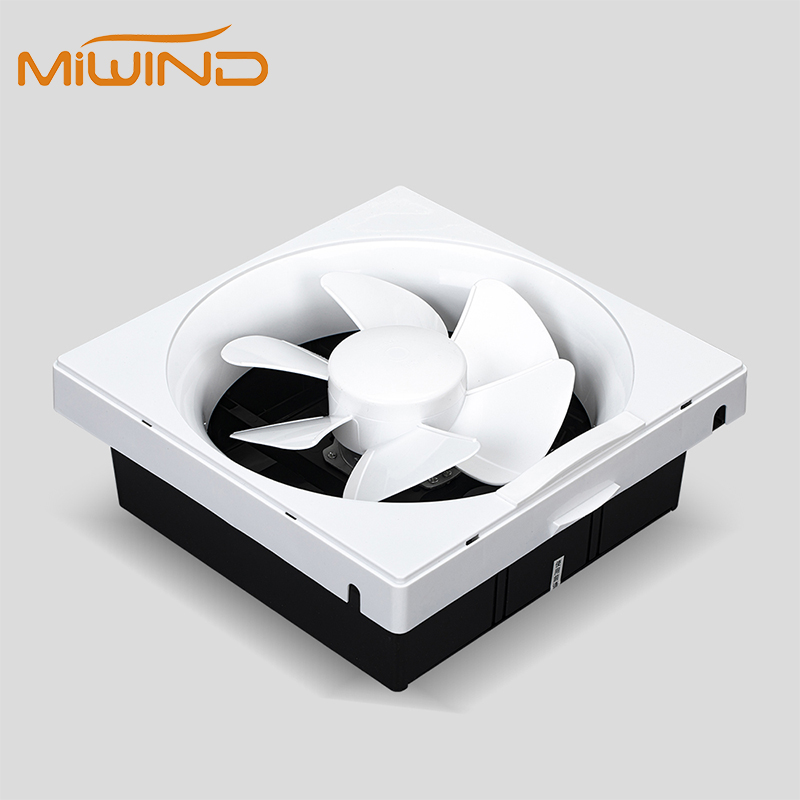
Compare the duct fan range and exhaust fan range using the project's model and documentation requirements.