Quiet Inline Duct Fan Selection: Noise and Duct Layout
Trace inline-fan noise to speed, turbulence, duct restrictions, mounting and vibration before selecting a quieter system.
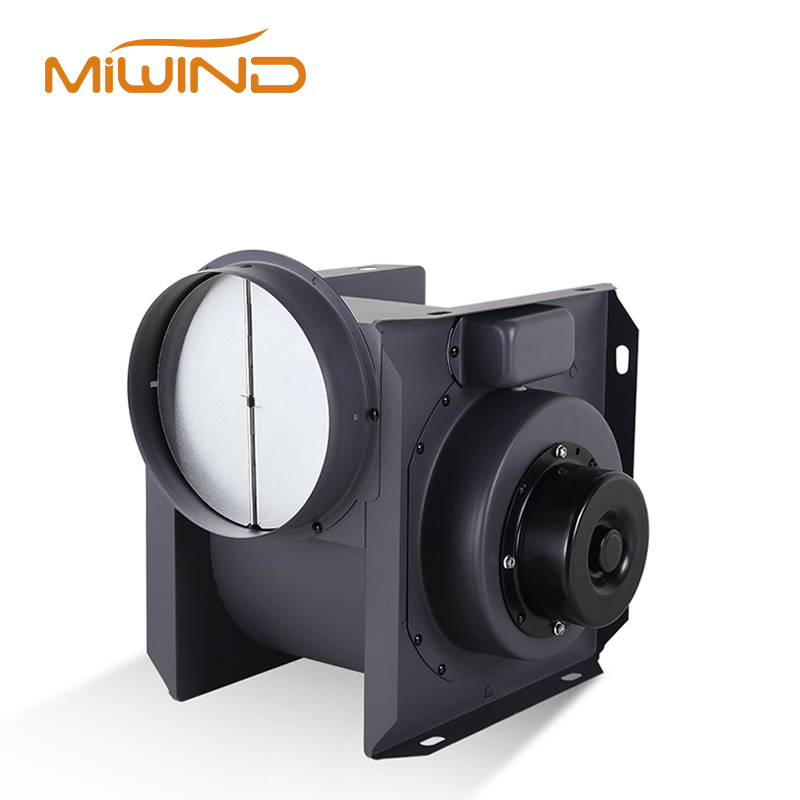
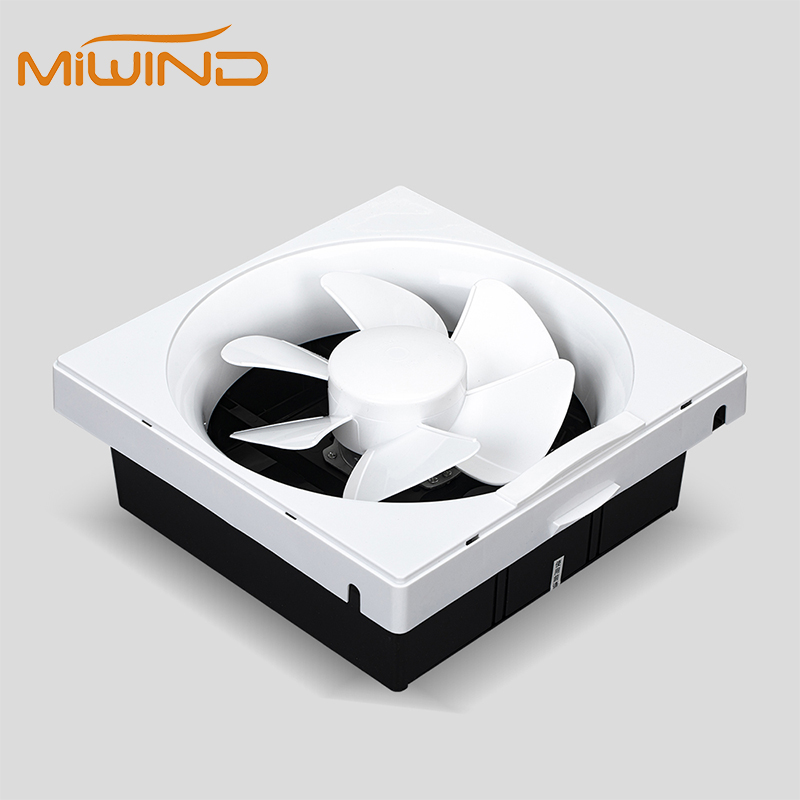
Quiet inline duct fan design is not just a search for the lowest sound number on a product page. Installed fan noise can come from speed, wheel type, static pressure, turbulence, mounting, vibration, grille restriction, outlet conditions, and accessories. A low-noise fan can still sound wrong if the duct system is wrong.
This consideration-stage guide is for OEM buyers, HVAC and MEP engineers, distributors, installers, and facility teams that need a quieter ducted ventilation result without making unsupported claims. MIWIND can review the low-noise inline duct fan series, fresh air and mixed-flow ventilation products, technical ventilation resources, and project details sent through Contact Us.
Important boundary: this article does not claim any MIWIND product is silent, zero-noise, guaranteed quiet, AMCA sound rated, or supported by unpublished lab acoustic data. It also does not publish MIWIND dB(A), sone, fixed silencer-reduction, CFM, static pressure, RPM, or wattage values. Quiet-duty performance depends on the fan, the duct, the duty point, and the installation.
Start With the Noise Complaint, Not the Fan Label
Occupied-room noise, duct outlet noise, and vibration paths
Noise complaints need location. A fan may be heard at the fan body, through the inlet grille, at the discharge grille, through a ceiling structure, or inside an occupied room connected by duct. Those are different problems.
Before selecting a new fan, describe what the user actually hears:
- Air rush at the grille or diffuser.
- Motor or fan-body noise near the mounting point.
- Vibration through sheet metal, ceiling, cabinet, or wall panels.
- Duct rumble after an elbow or transition.
- Outlet noise near a conference room, bedroom, office, classroom, or customer area.
That diagnosis helps avoid replacing a fan when the main issue is duct velocity, a restrictive grille, an elbow at the outlet, or vibration transfer.
Common Sources of Inline Duct Fan Noise
Speed, turbulence, pressure, grille restriction, and mounting
Fan speed is often the most visible factor, but it is not the only one. A fan pushed into a restrictive duct path may operate at a poor duty point. A tight elbow at the inlet can create turbulence. A small grille can add noise even when the fan itself is acceptable. Loose mounting can turn normal operation into structural vibration.
Greenheck's fan system effects article is a useful engineering source because it explains how real inlet and outlet conditions can alter fan behavior from ideal test conditions. In quiet-duty projects, that means the project team should review the fan and the duct together.
Fan Type and Motor Choices for Quiet Duty
Mixed-flow and EC control benefits without overclaiming
Mixed-flow fans, inline fans, and EC or variable-speed options often appear in low-noise discussions because buyers want airflow control in compact duct systems. Greenheck's mixed-flow fan article, Fantech's FG inline fan page, and AC Infinity's CLOUDLINE T8 page show how competitors discuss fan format, ducted installation, and controls.
Use those pages as market context only. Do not convert competitor sound data, controller features, product sizes, or application promises into MIWIND claims. For MIWIND, the useful product tie is narrower: the low-noise inline duct fan series can be reviewed when the buyer sends airflow, pressure, noise location, duct layout, and control preference.
For more background, compare mixed-flow vs centrifugal inline fan options and the EC motor inline duct fan variable speed guide.
Duct Layout Details That Protect Sound Performance
Straight duct, elbow proximity, outlet conditions, and system effects
The duct layout can protect or damage sound performance. A quiet-duty inquiry should include:
- Duct diameter and material.
- Total duct length.
- Elbow count and elbow distance from the fan.
- Inlet and outlet grille type.
- Filters, dampers, reducers, transitions, or screens.
- Fan mounting location and structural contact points.
- Whether straight duct is available near the fan.
- Whether the outlet discharges near an occupied area.
The inline duct fan placement guide covers installation position in more detail. This article focuses on how placement, duct restrictions, and mounting can affect noise and vibration.
Accessories That May Help Reduce Noise
Silencers, flexible connectors, isolation, and lined duct limits
Accessories can help when they are selected around the real noise path. Silencers may address duct-borne sound, flexible connectors may reduce vibration transfer, isolation mounts may help with structure-borne vibration, and lined duct may reduce some duct noise. None of these should be presented as a universal fix.
Fantech's inline fan silencer page shows that the market treats silencers as fan-system accessories. For MIWIND content, keep that as category context. Do not publish a fixed decibel reduction unless a project-specific document supports it.

Selection Checklist for OEM, MEP, and Distributor Buyers
Airflow, static pressure, duct size, voltage, and document needs
The best low-noise duct fan request includes both sound symptoms and airflow requirements. Send:
- Target application and room type.
- Required airflow or air-change goal if known.
- Duct size, total length, elbow count, grille type, filter details, and outlet condition.
- Static pressure estimate or system description.
- Noise complaint location: fan body, inlet, outlet, vibration path, or occupied room.
- Available space for straight duct, mounting, silencer, isolation, or flexible connector.
- Control preference: fixed speed, variable speed, or project control integration.
- Quantity, voltage, target market, and timeline.
- Documents needed: datasheet, certificate file, sample request, or OEM inquiry package.
Use technical ventilation resources when the buyer needs supporting documents before supplier comparison.
FAQ
Is a mixed-flow fan always quieter?
No. Mixed-flow design may be useful for certain compact ducted duties, but installed sound also depends on duty point, speed, duct resistance, turbulence, mounting, accessories, and outlet conditions.
Can an EC motor guarantee low noise?
No. Variable-speed or EC-style control can support part-load operation in some systems, but this article does not claim a universal noise result or publish MIWIND acoustic ratings.
Should noise problems be blamed only on the fan?
No. The duct, grille, filter, elbow, outlet, mounting structure, and control setting can all contribute to the complaint.
Next Step
Use request quiet-duty fan selection support when the airflow target, duct layout, noise location, and document needs are ready. The strongest quiet-duty request shows where the sound is heard and what the duct system looks like, not just the fan size a buyer hopes to replace.